
Contents
- 🏠 Introduction to Wood Panelling
- 🛠️ History of Wood Panelling
- 🌿 Types of Wood Panelling
- 🏗️ Architectural Significance of Wood Panelling
- 🔨 Installation and Maintenance of Wood Panelling
- 💡 Design Considerations for Wood Panelling
- 🌐 Cultural and Social Impact of Wood Panelling
- 📊 Economic and Environmental Considerations of Wood Panelling
- 🔮 Future of Wood Panelling
- 👥 Notable Examples of Wood Panelling in Architecture
- Frequently Asked Questions
- Related Topics
Overview
Wood panelling has been a staple of interior design for centuries, with its origins dating back to ancient civilizations such as Egypt and Greece. The use of wood panelling reached its peak in the 16th and 17th centuries in Europe, where it was used to adorn the walls of grand estates and palaces. However, the material has also been at the center of controversy, with concerns over deforestation and the environmental impact of the wood industry. Despite this, wood panelling remains a popular design element, with many architects and designers incorporating sustainable and eco-friendly options into their work. The vibe score for wood panelling is 8, reflecting its enduring cultural significance and aesthetic appeal. As the design world continues to evolve, it will be interesting to see how wood panelling adapts to changing tastes and environmental concerns. With the rise of sustainable materials and innovative production methods, the future of wood panelling looks promising, but it will require a delicate balance between preserving tradition and embracing innovation.
🏠 Introduction to Wood Panelling
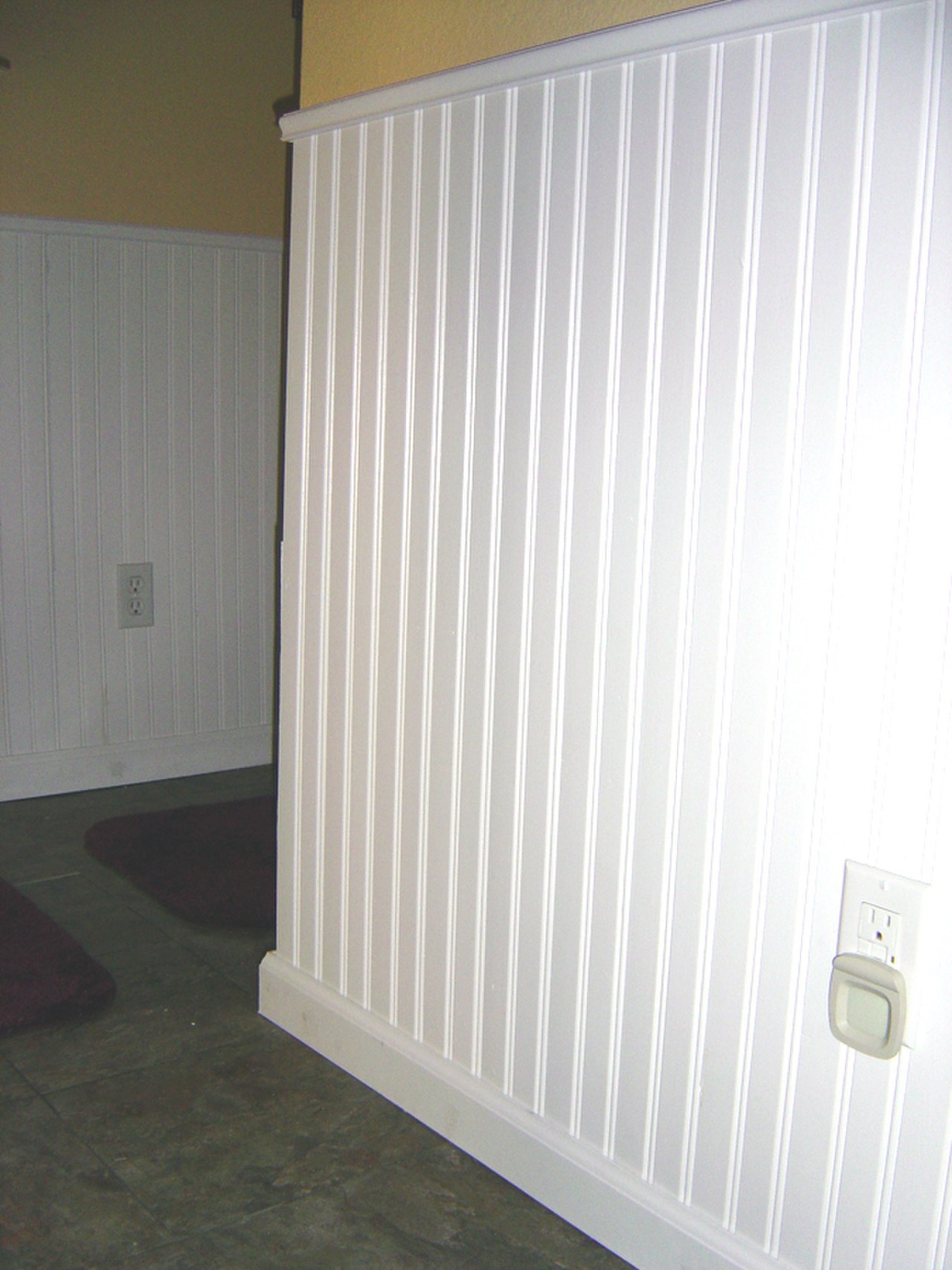
Wood panelling has been a staple in architecture and design for centuries, with its enduring allure rooted in its unique blend of aesthetic and functional qualities. From the ornate panel moulding of traditional European design to the sleek, modern lines of mid-century modern homes, wood panelling has played a significant role in shaping the visual identity of buildings. As a millwork wall covering, wood panelling is constructed from rigid or semi-rigid components, traditionally interlocking wood, but also available in plastic or other materials. The versatility of wood panelling is evident in its ability to complement a wide range of design styles, from Art Deco to minimalist.
🛠️ History of Wood Panelling
The history of wood panelling dates back to ancient civilizations, where it was used to adorn the walls of temples, palaces, and other grand structures. In Europe, wood panelling became a hallmark of luxury and sophistication during the Renaissance period, with intricate carvings and ornate mouldings adorning the walls of stately homes and castles. As the craft of wood panelling evolved, it became more accessible to the masses, with the introduction of new materials and techniques, such as plywood and MDF. The development of mass production methods further democratized wood panelling, making it a staple in modern architecture and design.
🌿 Types of Wood Panelling
There are several types of wood panelling, each with its unique characteristics and advantages. Solid wood panelling is prized for its natural beauty and durability, while engineered wood panelling offers a more affordable and sustainable alternative. Reclaimed wood panelling has gained popularity in recent years, as it provides a unique opportunity to repurpose salvaged wood from old buildings and trees. The choice of wood panelling type ultimately depends on the desired aesthetic, budget, and environmental considerations, with factors such as sustainability and carbon footprint playing an increasingly important role in the decision-making process.
🏗️ Architectural Significance of Wood Panelling
Wood panelling has significant architectural importance, as it can greatly impact the visual and functional aspects of a building. In terms of aesthetics, wood panelling can add warmth, texture, and depth to a room, creating a cozy and inviting atmosphere. From a functional perspective, wood panelling can provide acoustic insulation, thermal insulation, and moisture protection, making it a practical choice for a wide range of applications. The use of wood panelling can also influence the psychology of colour and emotional design of a space, with different types of wood and finishes evoking distinct emotional responses.
🔨 Installation and Maintenance of Wood Panelling
The installation and maintenance of wood panelling require careful consideration and planning. Proper installation is crucial to ensure the longevity and performance of the panelling, with factors such as moisture content and temperature playing a significant role in the installation process. Regular maintenance is also essential to prevent damage and extend the lifespan of the panelling, with tasks such as dust control and humidity control helping to maintain the integrity of the wood. The use of wood finishes and sealants can also enhance the durability and appearance of the panelling, with options such as oil-based finishes and water-based finishes available.
💡 Design Considerations for Wood Panelling
When it comes to design considerations for wood panelling, there are several factors to take into account. The choice of wood species and finish can greatly impact the aesthetic of the panelling, with options such as oak, maple, and cherry offering distinct visual characteristics. The pattern and layout of the panelling can also influence the overall design, with options such as horizontal panelling and vertical panelling creating different visual effects. The use of mouldings and trim can add an extra layer of detail and sophistication to the design, with options such as crown moulding and baseboard available.
📊 Economic and Environmental Considerations of Wood Panelling
The economic and environmental considerations of wood panelling are complex and multifaceted. On the one hand, wood panelling can be a sustainable and eco-friendly choice, with many types of wood being renewable resources. On the other hand, the production and transportation of wood panelling can have a significant carbon footprint, with factors such as deforestation and land degradation playing a role in the environmental impact of the industry. The use of recycled materials and sustainable forestry practices can help mitigate these effects, with options such as reclaimed wood and certified sustainable wood available.
🔮 Future of Wood Panelling
As the world becomes increasingly focused on sustainability and eco-friendliness, the future of wood panelling looks bright. With advancements in technology and manufacturing, wood panelling can be produced in a way that is both environmentally friendly and cost-effective. The use of innovative materials and design techniques can also enhance the performance and aesthetic of wood panelling, with options such as nanotechnology and biomimicry offering new possibilities for the industry. As the demand for sustainable and eco-friendly building materials continues to grow, wood panelling is likely to remain a popular choice for architects, designers, and homeowners alike.
👥 Notable Examples of Wood Panelling in Architecture
There are many notable examples of wood panelling in architecture, with famous buildings and landmarks showcasing the beauty and versatility of this material. The White House, for example, features extensive wood panelling throughout its interior, with intricate carvings and ornate mouldings adorning the walls of its stately rooms. The Guggenheim Museum in New York City is another notable example, with its iconic spiral ramp featuring a stunning wooden panelling system. These examples demonstrate the enduring appeal of wood panelling, with its unique blend of aesthetic and functional qualities making it a popular choice for architects and designers around the world.
Key Facts
- Year
- 1550
- Origin
- Ancient Egypt and Greece
- Category
- Architecture and Design
- Type
- Design Element
Frequently Asked Questions
What is wood panelling?
Wood panelling is a millwork wall covering constructed from rigid or semi-rigid components, traditionally interlocking wood, but also available in plastic or other materials. It has been used for centuries in architecture and design, with its unique blend of aesthetic and functional qualities making it a popular choice for buildings and homes.
What are the different types of wood panelling?
There are several types of wood panelling, including solid wood panelling, engineered wood panelling, and reclaimed wood panelling. Each type has its unique characteristics and advantages, with factors such as sustainability, durability, and cost playing a role in the decision-making process.
How is wood panelling installed and maintained?
The installation and maintenance of wood panelling require careful consideration and planning. Proper installation is crucial to ensure the longevity and performance of the panelling, with factors such as moisture content and temperature playing a significant role in the installation process. Regular maintenance is also essential to prevent damage and extend the lifespan of the panelling.
What are the design considerations for wood panelling?
When it comes to design considerations for wood panelling, there are several factors to take into account. The choice of wood species and finish can greatly impact the aesthetic of the panelling, with options such as oak, maple, and cherry offering distinct visual characteristics. The pattern and layout of the panelling can also influence the overall design, with options such as horizontal panelling and vertical panelling creating different visual effects.
What is the cultural and social impact of wood panelling?
Wood panelling has had a significant cultural and social impact throughout history, with its use often reflecting the values and aspirations of a particular era or society. In ancient Greece and Rome, wood panelling was a symbol of wealth and status, with intricate carvings and ornate mouldings adorning the walls of temples and palaces. In modern times, wood panelling has become a staple in many homes and buildings, with its use often reflecting a desire for sustainability and eco-friendliness.
What is the future of wood panelling?
As the world becomes increasingly focused on sustainability and eco-friendliness, the future of wood panelling looks bright. With advancements in technology and manufacturing, wood panelling can be produced in a way that is both environmentally friendly and cost-effective. The use of innovative materials and design techniques can also enhance the performance and aesthetic of wood panelling, with options such as nanotechnology and biomimicry offering new possibilities for the industry.
What are some notable examples of wood panelling in architecture?
There are many notable examples of wood panelling in architecture, with famous buildings and landmarks showcasing the beauty and versatility of this material. The White House, for example, features extensive wood panelling throughout its interior, with intricate carvings and ornate mouldings adorning the walls of its stately rooms. The Guggenheim Museum in New York City is another notable example, with its iconic spiral ramp featuring a stunning wooden panelling system.