
Overview
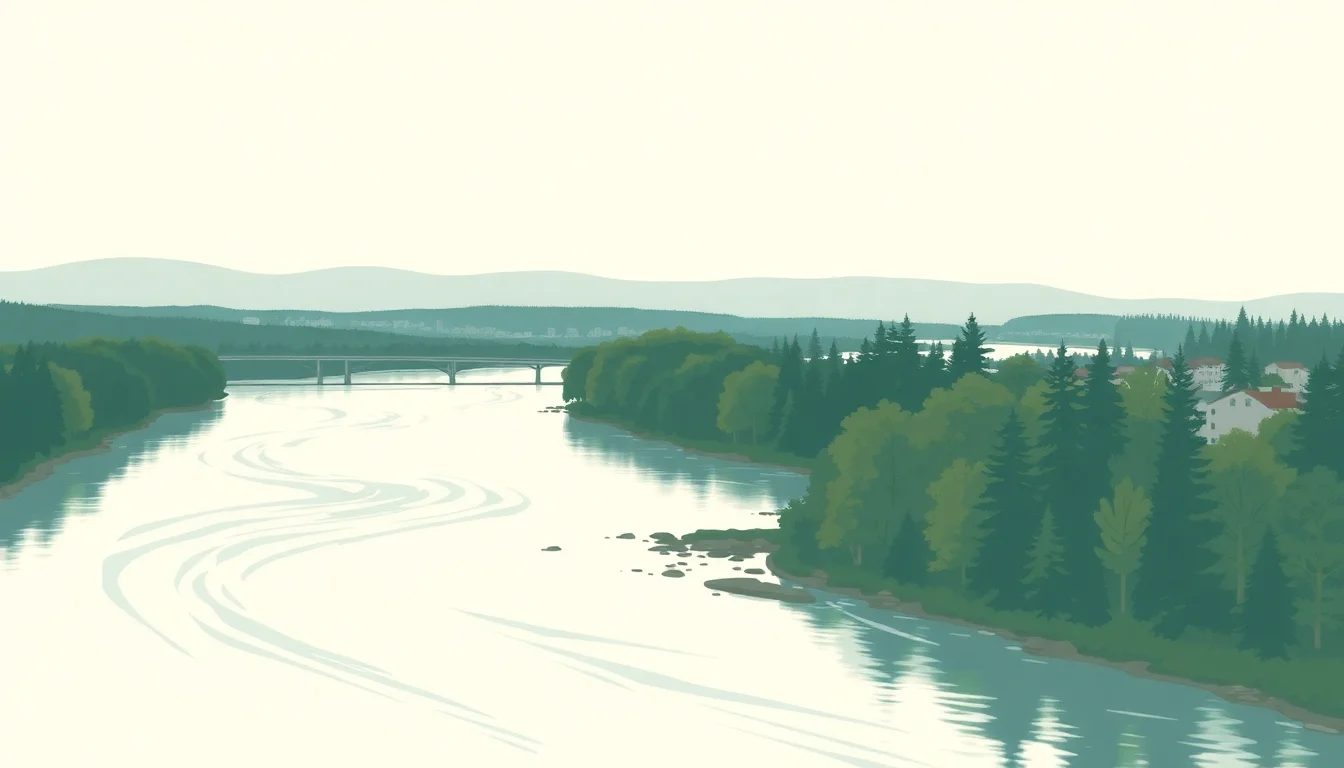
The Willamette River, stretching 187 miles through western Oregon, has been the lifeblood of the region for thousands of years, supporting indigenous communities, early settlers, and modern cities. With a watershed covering over 11,478 square miles, it's a vital source of water, transportation, and recreation. However, the river faces numerous challenges, including pollution, habitat destruction, and climate change, which threaten its delicate ecosystem. The Willamette River has a Vibe score of 82, reflecting its significant cultural and environmental importance. As the river flows through the Willamette Valley, it passes through several major cities, including Eugene and Salem, and supports a wide range of wildlife, including salmon, steelhead, and bald eagles. Despite these challenges, the Willamette River remains a beloved and iconic symbol of Oregon's natural beauty and resilience, with ongoing efforts to restore and protect it for future generations.
Key Facts
- Year
- 1826
- Origin
- Cascade Range, Oregon
- Category
- Geography, Environment, History
- Type
- River