
Contents
- 🌟 Why Imposter Syndrome Matters to Our Community
- 🧠 Understanding the Core of Imposter Feelings
- 🤝 Community Perspectives on Navigating Imposter Syndrome
- 💡 Practical Strategies for Managing Imposter Feelings
- 🌱 Cultivating Self-Compassion and Resilience
- 🚀 Recognizing and Celebrating Our Strengths
- 💬 Join the Discussion: Share Your Experiences
- 📚 Resources for Continued Support and Growth
- Frequently Asked Questions
- Related Topics
Overview
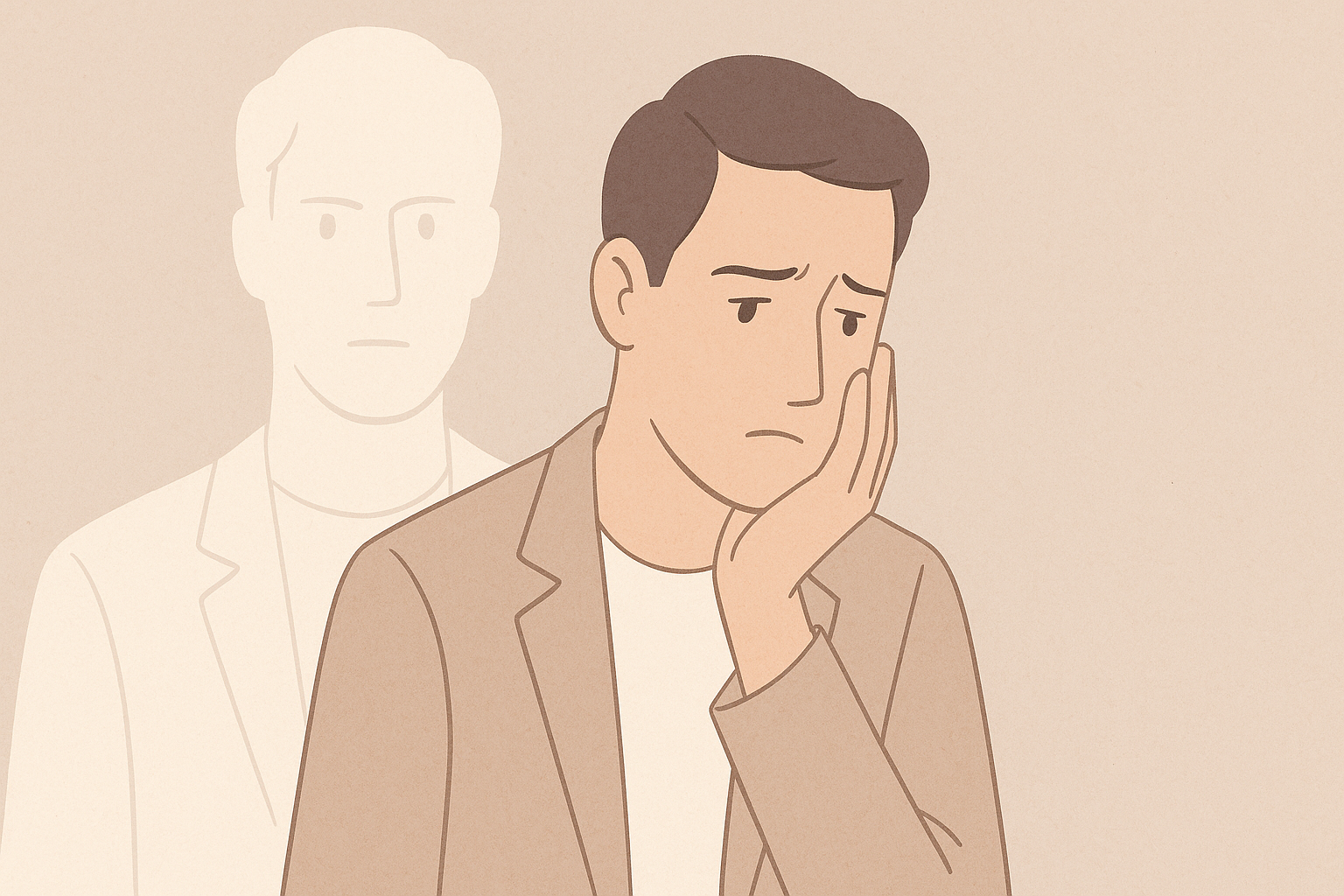
Imposter syndrome is a psychological pattern where individuals doubt their skills, talents, or accomplishments and have a persistent internalized fear of being exposed as a 'fraud.' Despite external evidence of their competence, those experiencing imposter syndrome remain convinced that they are undeserving of their success. This phenomenon is not a recognized mental disorder in the DSM-5 but is widely discussed in psychology and self-help circles. It can affect anyone, regardless of their job, social status, skill level, or degree of expertise, and is often linked to perfectionism and anxiety. Recognizing these feelings is the first step toward developing strategies to manage them and build genuine self-confidence.
🌟 Why Imposter Syndrome Matters to Our Community
Imposter syndrome, a pervasive feeling of inadequacy despite evidence of success, touches many within our community. It's not a clinical diagnosis but a psychological pattern that can significantly impact our mental well-being and professional lives. For many, these feelings can lead to anxiety and burnout, hindering our ability to fully engage with our achievements and contribute our best. Recognizing these patterns is the first step toward fostering a more supportive and understanding environment for everyone, ensuring that no one feels alone in their struggles.
🧠 Understanding the Core of Imposter Feelings
At its heart, imposter syndrome is characterized by a persistent belief that we are frauds, undeserving of our accomplishments. This often stems from a disconnect between our internal self-perception and external validation. We might attribute our successes to luck, timing, or deceiving others into thinking we're more competent than we believe ourselves to be. This internal narrative can be incredibly powerful, leading to a cycle of overwork and constant fear of being 'found out,' impacting our self-esteem and overall life satisfaction.
💡 Practical Strategies for Managing Imposter Feelings
Managing imposter syndrome involves a multi-pronged approach. We can start by reframing negative thoughts and challenging the internal critic that whispers doubts. Keeping a 'success journal' where we document our achievements and the skills that contributed to them can provide tangible evidence against feelings of inadequacy. Practicing mindfulness and grounding techniques can help us stay present and manage the anxiety that often accompanies these feelings. Seeking out mentors and supportive colleagues can also offer invaluable external validation and perspective.
🌱 Cultivating Self-Compassion and Resilience
Cultivating self-compassion is a cornerstone of overcoming imposter syndrome. This means treating ourselves with the same kindness and understanding we would offer a friend facing similar struggles. Recognizing that perfection is unattainable and that making mistakes is a natural part of learning and growth is vital. Building resilience involves developing coping mechanisms to navigate setbacks without letting them confirm our deepest fears. This practice allows us to bounce back from challenges with a stronger sense of self-efficacy.
🚀 Recognizing and Celebrating Our Strengths
Actively recognizing and celebrating our strengths is a powerful antidote to imposter feelings. This involves identifying our unique talents, skills, and contributions, and allowing ourselves to feel pride in them. We can practice this by asking trusted friends or colleagues for feedback on our strengths, or by reflecting on past accomplishments and the specific abilities that led to them. Acknowledging our successes, big or small, helps to build a more accurate and positive self-image, counteracting the persistent narrative of inadequacy.
📚 Resources for Continued Support and Growth
For those seeking further support, numerous resources are available. Many mental health professionals specialize in helping individuals manage imposter syndrome and related anxiety disorders. Books and online articles offer practical advice and deeper insights into the psychological underpinnings of these feelings. Community workshops and support groups can provide a safe space to connect with others who share similar experiences. Exploring resources on cognitive behavioral therapy (CBT) can also offer effective tools for challenging and changing thought patterns.
Key Facts
- Year
- 2023
- Origin
- Psychology
- Category
- Mental Health
- Type
- Concept
- Format
- what-is
Frequently Asked Questions
Is imposter syndrome a mental illness?
Imposter syndrome is not a formal mental health diagnosis in the Diagnostic and Statistical Manual of Mental Disorders (DSM). Instead, it's a psychological pattern or experience characterized by persistent self-doubt and a fear of being exposed as a 'fraud.' While not a disorder itself, it can co-occur with or contribute to conditions like anxiety and depression.
Who is most likely to experience imposter syndrome?
While imposter syndrome can affect anyone, research suggests it's particularly common among high-achievers, individuals in demanding professions, and those from underrepresented groups in their fields. It can also be more prevalent during significant life transitions, such as starting a new job, entering a new academic program, or taking on new responsibilities.
How can I tell if I have imposter syndrome?
Key signs include consistently downplaying your achievements, attributing success to external factors like luck or timing, fearing failure intensely, and feeling like you're deceiving others about your abilities. You might also experience perfectionism, overworking to compensate for perceived shortcomings, and difficulty accepting praise or positive feedback.
Can imposter syndrome be overcome?
Yes, imposter syndrome can be managed and significantly reduced. It involves a conscious effort to challenge negative thought patterns, practice self-compassion, acknowledge and own your successes, and seek support from others. It's a process of retraining your internal narrative and building a more realistic self-perception.
What's the difference between imposter syndrome and low self-esteem?
While related, they differ. Low self-esteem is a general negative evaluation of oneself. Imposter syndrome is more specific to competence and achievement, involving a fear of being discovered as inadequate despite external evidence of success. Someone with imposter syndrome might have generally good self-esteem in other areas but doubt their professional or academic capabilities intensely.
How can I support someone experiencing imposter syndrome?
Offer genuine validation of their accomplishments and skills. Gently challenge their self-deprecating remarks by providing objective evidence of their competence. Encourage them to acknowledge their successes and practice self-kindness. Listening without judgment and reminding them they are not alone can be incredibly helpful.