
Contents
- 🎥 Introduction to the Wild West
- 🤠 The Evolution of Westerns
- 📽️ The Golden Age of Westerns
- 🤝 The Influence of Westerns on Popular Culture
- 🎬 The Revisionist Western
- 📊 The Economics of Westerns
- 👥 The Cultural Significance of Westerns
- 🤠 The Legacy of Westerns in Modern Media
- 🌄 The Global Appeal of Westerns
- 🎥 The Future of Westerns
- 👀 Conclusion: The Enduring Legacy of Westerns
- Frequently Asked Questions
- Related Topics
Overview
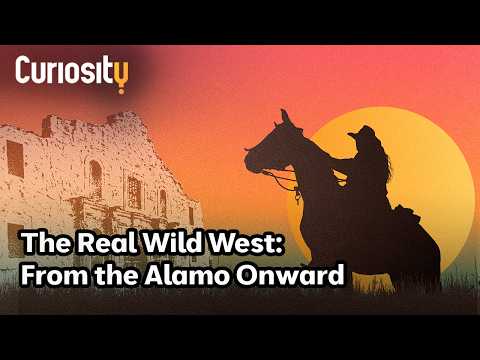
The Wild West, a term synonymous with Western movies and the American Old West, has been a staple of American culture for over a century. The genre has evolved significantly over the years, with John Ford's epic films and Sergio Leone's spaghetti westerns leaving an indelible mark on the industry. The Wild West has been romanticized and mythologized, with Clint Eastwood's iconic characters and John Wayne's rugged individualism embodying the spirit of the American frontier. As a cultural phenomenon, the Wild West has been explored in various forms of media, including Western literature and country music. The genre's enduring legacy can be attributed to its ability to tap into the American psyche, with its themes of freedom, self-reliance, and the struggle between good and evil. The Wild West has also been influenced by Native American culture and Latin American culture, adding to its rich cultural heritage.
🤠 The Evolution of Westerns
The evolution of Westerns can be traced back to the early days of silent film, with The Great Train Robbery (1903) being a seminal work in the genre. The 1930s and 1940s saw the rise of singin' cowboys, with Roy Rogers and Gene Autry becoming household names. The 1950s and 1960s are often referred to as the Golden Age of Westerns, with High Noon (1952) and The Searchers (1956) being two of the most iconic films of the era. The influence of Italian neorealism and French New Wave can be seen in the work of Sam Peckinpah and Monte Hellman, who pushed the boundaries of the genre with their innovative storytelling and cinematography. The Western genre has also been influenced by film noir and science fiction, resulting in a unique blend of styles and themes.
📽️ The Golden Age of Westerns
The Golden Age of Westerns was marked by the release of some of the most iconic films in the genre, including Rio Bravo (1959) and The Man Who Shot Liberty Valance (1962). This period also saw the rise of television Westerns, with Bonanza and Gunsmoke becoming incredibly popular. The influence of Westerns on popular culture can be seen in the work of Quentin Tarantino, who has often cited Sergio Leone as a major influence. The Western genre has also been referenced in music, with Johnny Cash's Folsom Prison Blues being a classic example. The genre's impact on fashion can be seen in the popularity of cowboy boots and Stetson hats. The Western genre has also been influenced by historical events, such as the American Civil War and the California Gold Rush.
🤝 The Influence of Westerns on Popular Culture
The influence of Westerns on popular culture is undeniable, with the genre's themes and motifs being referenced in everything from advertising to video games. The Western genre has also been used as a metaphor for social justice, with films like Django Unchained (2012) and The Hateful Eight (2015) exploring issues of racism and violence. The genre's influence can also be seen in the work of hip-hop artists, with Jay-Z's 99 Problems being a prime example. The Western genre has also been referenced in literature, with Cormac McCarthy's No Country for Old Men being a classic example. The genre's impact on politics can be seen in the use of Western motifs in political campaigns, with Ronald Reagan's cowboy image being a notable example.
🎬 The Revisionist Western
The Revisionist Western, a subgenre that emerged in the 1960s and 1970s, sought to challenge the traditional notions of the Western genre. Films like The Wild Bunch (1969) and Little Big Man (1970) presented a more nuanced and complex view of the American West, with Native American characters and feminist themes being explored. The Revisionist Western was influenced by the Civil Rights Movement and the anti-war movement, with many films of the era reflecting the social and political upheaval of the time. The genre's influence can also be seen in the work of Martin Scorsese, who has often cited Sam Peckinpah as a major influence. The Revisionist Western has also been referenced in television, with Deadwood (2004-2006) being a notable example.
📊 The Economics of Westerns
The economics of Westerns are complex, with the genre's popularity being influenced by a range of factors, including box office performance and home video sales. The Western genre has also been affected by changes in the film industry, with the rise of independent film and streaming services changing the way that Westerns are produced and distributed. The genre's economic impact can also be seen in the tourism industry, with many Western-themed attractions and events being popular among tourists. The Western genre has also been influenced by government policies, with the National Film Registry playing a significant role in the preservation and promotion of Western films.
👥 The Cultural Significance of Westerns
The cultural significance of Westerns cannot be overstated, with the genre's themes and motifs being deeply ingrained in American culture. The Western genre has been used to explore a range of issues, including Racism, Sexism, and Violence. The genre's influence can also be seen in the work of artists, with Fredric Remington's paintings and Charles Russell's sculptures being classic examples. The Western genre has also been referenced in music, with Willie Nelson's Red Headed Stranger being a notable example. The genre's impact on fashion can be seen in the popularity of Western wear, with Levis and Wrangler being two of the most iconic brands.
🤠 The Legacy of Westerns in Modern Media
The legacy of Westerns in modern media is undeniable, with the genre's influence being seen in everything from video games to television. The Western genre has also been referenced in film, with The Revenant (2015) and The Hateful Eight (2015) being two of the most notable examples. The genre's influence can also be seen in the work of musicians, with Taylor Swift's Love Story being a prime example. The Western genre has also been used as a metaphor for social justice, with films like Django Unchained (2012) and The Hateful Eight (2015) exploring issues of racism and violence.
🌄 The Global Appeal of Westerns
The global appeal of Westerns is a testament to the genre's enduring legacy, with films like A Fistful of Dollars (1964) and Once Upon a Time in the West (1968) being incredibly popular around the world. The Western genre has also been influenced by international film, with Akira Kurosawa's Seven Samurai (1954) being a notable example. The genre's global impact can also be seen in the tourism industry, with many Western-themed attractions and events being popular among tourists. The Western genre has also been referenced in literature, with Cormac McCarthy's No Country for Old Men being a classic example.
🎥 The Future of Westerns
The future of Westerns is uncertain, with the genre's popularity being influenced by a range of factors, including changes in the film industry and shifts in popular culture. However, with the rise of streaming services and independent film, it is likely that the Western genre will continue to evolve and thrive. The genre's influence can also be seen in the work of new filmmakers, with Coen brothers' True Grit (2010) being a notable example. The Western genre has also been referenced in video games, with Red Dead Redemption (2010) being a classic example.
👀 Conclusion: The Enduring Legacy of Westerns
In conclusion, the Wild West has left an indelible mark on American culture, with its themes and motifs being deeply ingrained in our collective psyche. The Western genre has evolved significantly over the years, with its influence being seen in everything from film to music. As we look to the future, it is likely that the Western genre will continue to endure, with its legacy being felt for generations to come. The genre's impact on popular culture cannot be overstated, with its influence being seen in everything from fashion to politics. The Wild West has also been referenced in literature, with Cormac McCarthy's No Country for Old Men being a classic example.
Key Facts
- Year
- 1893
- Origin
- United States
- Category
- Film and Culture
- Type
- Film Genre
Frequently Asked Questions
What is the Wild West?
The Wild West refers to the American Old West, a period of time that spanned from the late 18th century to the late 19th century. It was a time of exploration, settlement, and lawlessness, with outlaws, cowboys, and Native Americans playing a significant role in shaping the region. The Wild West has been romanticized and mythologized, with its themes and motifs being deeply ingrained in American culture. The genre has been influenced by Native American culture and Latin American culture, adding to its rich cultural heritage. The Wild West has also been referenced in literature, with Cormac McCarthy's No Country for Old Men being a classic example.
What is a Western?
A Western is a film or literary genre that is set in the American Old West. It typically features themes of exploration, settlement, and lawlessness, with outlaws, cowboys, and Native Americans playing a significant role. The Western genre has evolved significantly over the years, with its influence being seen in everything from film to music. The genre has been influenced by Italian neorealism and French New Wave, resulting in a unique blend of styles and themes. The Western genre has also been referenced in television, with Deadwood (2004-2006) being a notable example.
Who are some notable Western filmmakers?
Some notable Western filmmakers include John Ford, Sergio Leone, and Clint Eastwood. These filmmakers have made significant contributions to the genre, with their films being widely regarded as classics. The influence of these filmmakers can be seen in the work of new filmmakers, with Coen brothers' True Grit (2010) being a notable example. The Western genre has also been influenced by film noir and science fiction, resulting in a unique blend of styles and themes.
What is the significance of the Western genre?
The Western genre is significant because it has had a profound impact on American culture. The genre's themes and motifs have been deeply ingrained in our collective psyche, with its influence being seen in everything from film to music. The Western genre has also been used as a metaphor for social justice, with films like Django Unchained (2012) and The Hateful Eight (2015) exploring issues of racism and violence. The genre's impact on popular culture cannot be overstated, with its influence being seen in everything from fashion to politics.
What is the future of the Western genre?
The future of the Western genre is uncertain, with its popularity being influenced by a range of factors, including changes in the film industry and shifts in popular culture. However, with the rise of streaming services and independent film, it is likely that the Western genre will continue to evolve and thrive. The genre's influence can also be seen in the work of new filmmakers, with Coen brothers' True Grit (2010) being a notable example. The Western genre has also been referenced in video games, with Red Dead Redemption (2010) being a classic example.