
Contents
- 🍜 Origins & History
- 🍴 How It Works
- 📊 Key Facts & Numbers
- 👥 Key People & Organizations
- 🌍 Cultural Impact & Influence
- ⚡ Current State & Latest Developments
- 🤔 Controversies & Debates
- 🔮 Future Outlook & Predictions
- 💡 Practical Applications
- 📚 Related Topics & Deeper Reading
- Frequently Asked Questions
- References
- Related Topics
Overview
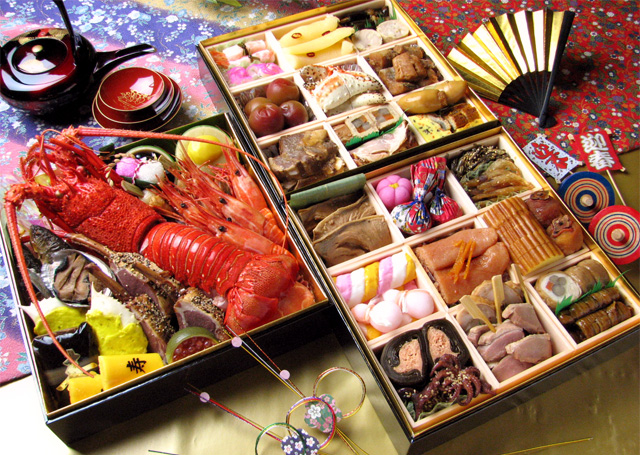
Washoku, the traditional cuisine of Japan, is a culinary philosophy that emphasizes the use of seasonal ingredients, simple preparation methods, and a focus on the natural flavors of the ingredients. With a history dating back centuries, washoku has been influenced by Chinese cuisine and has also incorporated elements from Western cuisines in the modern era. The traditional washoku meal consists of rice, miso soup, and several side dishes, often featuring seafood, vegetables, and pickled ingredients. The emphasis on seasonal ingredients and simple preparation methods has made washoku a popular and enduring aspect of Japanese culture, with a growing interest in its health benefits and culinary techniques. According to the Japanese Ministry of Agriculture, Forestry, and Fisheries, the traditional Japanese diet, which is centered on washoku, has been recognized by UNESCO as an intangible cultural heritage of humanity. With its rich history, cultural significance, and emphasis on healthy eating, washoku continues to be an important part of Japanese cuisine and a source of inspiration for chefs and food enthusiasts around the world.
🍜 Origins & History
Washoku, which literally means 'Japanese food' in Japanese, has a long and storied history that dates back to the Heian period (794-1185 CE). During this time, Japanese cuisine was heavily influenced by Chinese cuisine, with the introduction of new ingredients, cooking techniques, and dishes such as ramen and gyoza. Over time, Japanese cuisine developed its own unique characteristics, with a focus on seasonal ingredients, simple preparation methods, and a emphasis on the natural flavors of the ingredients. Today, washoku is recognized as an important part of Japanese culture, with a growing interest in its health benefits and culinary techniques. As noted by Yoshihiro Murata, a renowned Japanese chef, 'Washoku is not just about food, it's about the culture and the way of life.'
🍴 How It Works
The traditional washoku meal consists of rice, miso soup, and several side dishes, often featuring seafood, vegetables, and pickled ingredients. The preparation methods used in washoku are simple and emphasize the natural flavors of the ingredients. Common cooking techniques include grilling, steaming, and simmering, as well as the use of fermented ingredients such as misopaste and soy sauce. The emphasis on seasonal ingredients and simple preparation methods has made washoku a popular and enduring aspect of Japanese cuisine. For example, the use of seasonal ingredients such as sakura (cherry blossoms) and matsutake (pine mushrooms) adds a unique and dynamic flavor to washoku dishes.
📊 Key Facts & Numbers
Some key facts and numbers about washoku include: 70% of the Japanese population eats washoku at least once a week, according to a survey by the Japanese Ministry of Health, Labour and Welfare; the average Japanese person consumes 50 kg of rice per year, making Japan one of the largest consumers of rice per capita in the world; and the Japanese government has recognized washoku as an important part of the country's cultural heritage, with a number of initiatives aimed at promoting and preserving traditional Japanese cuisine. As noted by Hiroshi Sakaguchi, a Japanese food critic, 'Washoku is not just a type of cuisine, it's a way of life that emphasizes the importance of community, seasonality, and simplicity.'
👥 Key People & Organizations
Some key people and organizations involved in the promotion and preservation of washoku include the Japanese Ministry of Agriculture, Forestry, and Fisheries, which has launched a number of initiatives aimed at promoting Japanese cuisine and supporting the development of the country's food industry; the Japanese Culinary Academy, which provides training and education for chefs and food professionals; and the Washoku Association, a non-profit organization dedicated to promoting and preserving traditional Japanese cuisine. For example, the Japanese Culinary Academy offers courses on traditional Japanese cooking techniques, such as sushi and tempura.
🌍 Cultural Impact & Influence
Washoku has had a significant cultural impact and influence, both within Japan and around the world. The emphasis on seasonal ingredients, simple preparation methods, and the natural flavors of the ingredients has made washoku a popular and enduring aspect of Japanese cuisine, with a growing interest in its health benefits and culinary techniques. Washoku has also influenced the development of other cuisines, such as Korean and Chinese cuisine, and has been recognized by UNESCO as an intangible cultural heritage of humanity. As noted by University of Tokyo professor, Yukio Hattori, 'Washoku is a unique and important part of Japanese culture, and its influence can be seen in many aspects of Japanese society, from food to art to architecture.'
⚡ Current State & Latest Developments
Currently, washoku is experiencing a resurgence in popularity, both within Japan and around the world. The growing interest in healthy eating and sustainable food systems has led to an increased demand for traditional Japanese cuisine, with many restaurants and food establishments offering washoku-style meals and ingredients. The Japanese government has also launched a number of initiatives aimed at promoting and preserving traditional Japanese cuisine, including the recognition of washoku as an intangible cultural heritage of humanity by UNESCO. For example, the Japanese government has established the Washoku Promotion Council to promote Japanese cuisine and support the development of the country's food industry.
🤔 Controversies & Debates
Some controversies and debates surrounding washoku include the use of traditional ingredients and cooking methods, which can be time-consuming and labor-intensive; the impact of modernization and urbanization on traditional Japanese cuisine, which has led to a decline in the number of traditional restaurants and food establishments; and the role of washoku in promoting Japanese culture and identity, which has been the subject of debate and discussion among scholars and food critics. As noted by food critic, Taro Okamoto, 'Washoku is not just a type of cuisine, it's a symbol of Japanese culture and identity, and its preservation is essential to the country's cultural heritage.'
🔮 Future Outlook & Predictions
Looking to the future, washoku is likely to continue to play an important role in Japanese cuisine and culture, with a growing interest in its health benefits and culinary techniques. The emphasis on seasonal ingredients, simple preparation methods, and the natural flavors of the ingredients is likely to continue to appeal to consumers who are looking for healthy and sustainable food options. As noted by Chef Nobu Matsuhisa, 'Washoku is a unique and important part of Japanese cuisine, and its influence can be seen in many aspects of Japanese society, from food to art to architecture.'
💡 Practical Applications
Some practical applications of washoku include the use of traditional ingredients and cooking methods in modern Japanese cuisine, such as the use of misopaste and soy sauce in ramen and udon noodles; the incorporation of washoku-style meals and ingredients into Western cuisine, such as the use of sushi and sashimi in fusion cuisine; and the promotion of washoku as a healthy and sustainable food option, with a focus on seasonal ingredients and simple preparation methods. For example, the Japanese Culinary Academy offers courses on traditional Japanese cooking techniques, such as tempura and yakitori.
Key Facts
- Year
- 2013
- Origin
- Japan
- Category
- nutrition
- Type
- concept
Frequently Asked Questions
What is washoku?
Washoku is the traditional cuisine of Japan, emphasizing seasonal ingredients, simple preparation methods, and natural flavors of ingredients. It is a unique and important part of Japanese culture, with a growing interest in its health benefits and culinary techniques. As noted by Yoshihiro Murata, 'Washoku is not just about food, it's about the culture and the way of life.'
What are some key characteristics of washoku?
Some key characteristics of washoku include the use of seasonal ingredients, simple preparation methods, and an emphasis on the natural flavors of the ingredients. Washoku also often features seafood, vegetables, and pickled ingredients, and may include dishes such as sushi, sashimi, and tempura. As noted by Hiroshi Sakaguchi, 'Washoku is a unique and important part of Japanese cuisine, and its influence can be seen in many aspects of Japanese society, from food to art to architecture.'
What is the cultural significance of washoku?
Washoku has a significant cultural impact and influence, both within Japan and around the world. It is recognized by UNESCO as an intangible cultural heritage of humanity, and is an important part of Japanese identity and culture. As noted by University of Tokyo professor, Yukio Hattori, 'Washoku is a unique and important part of Japanese culture, and its influence can be seen in many aspects of Japanese society, from food to art to architecture.'
How has washoku influenced other cuisines?
Washoku has influenced the development of other cuisines, such as Korean and Chinese cuisine, and has been recognized by UNESCO as an intangible cultural heritage of humanity. The emphasis on seasonal ingredients, simple preparation methods, and natural flavors of ingredients has made washoku a popular and enduring aspect of Japanese cuisine, with a growing interest in its health benefits and culinary techniques. As noted by Chef Nobu Matsuhisa, 'Washoku is a unique and important part of Japanese cuisine, and its influence can be seen in many aspects of Japanese society, from food to art to architecture.'
What are some practical applications of washoku?
Some practical applications of washoku include the use of traditional ingredients and cooking methods in modern Japanese cuisine, such as the use of misopaste and soy sauce in ramen and udon noodles; the incorporation of washoku-style meals and ingredients into Western cuisine, such as the use of sushi and sashimi in fusion cuisine; and the promotion of washoku as a healthy and sustainable food option, with a focus on seasonal ingredients and simple preparation methods. For example, the Japanese Culinary Academy offers courses on traditional Japanese cooking techniques, such as tempura and yakitori.
What is the future outlook for washoku?
Looking to the future, washoku is likely to continue to play an important role in Japanese cuisine and culture, with a growing interest in its health benefits and culinary techniques. The emphasis on seasonal ingredients, simple preparation methods, and natural flavors of ingredients is likely to continue to appeal to consumers who are looking for healthy and sustainable food options. As noted by Chef Nobu Matsuhisa, 'Washoku is a unique and important part of Japanese cuisine, and its influence can be seen in many aspects of Japanese society, from food to art to architecture.'
How can I learn more about washoku?
Some related topics and deeper reading on washoku include the history and development of Japanese cuisine, the cultural significance of washoku in Japanese society, and the health benefits and culinary techniques of traditional Japanese cuisine. For example, the book Washoku: A Very Short Introduction by Yoshihiro Murata provides an overview of the history and cultural significance of washoku, while the book The Essence of Japanese Cuisine by Hiroshi Sakaguchi explores the culinary techniques and ingredients used in traditional Japanese cuisine.
What are some key ingredients used in washoku?
Some key ingredients used in washoku include rice, misopaste, soy sauce, seasonal ingredients, and seafood. These ingredients are often combined in simple and traditional dishes, such as sushi, sashimi, and tempura. As noted by Yoshihiro Murata, 'Washoku is not just about food, it's about the culture and the way of life.'
How can I incorporate washoku into my diet?
Some ways to incorporate washoku into your diet include trying traditional Japanese dishes, such as sushi and sashimi, and experimenting with seasonal ingredients and simple preparation methods. You can also try incorporating washoku-style meals and ingredients into your Western cuisine, such as using misopaste and soy sauce in ramen and udon noodles. For example, the Japanese Culinary Academy offers courses on traditional Japanese cooking techniques, such as tempura and yakitori.