
Contents
- 📚 Introduction to the Great Debate
- 🎓 Traditional Student Experience: The Classic Approach
- 📊 Online Learning: The Digital Revolution
- 🤝 Blended Learning: The Best of Both Worlds
- 📊 Cost Comparison: Traditional vs Online Learning
- 📈 Accessibility and Flexibility: Online Learning's Advantage
- 📚 The Role of Technology in Education
- 👥 Social Interaction and Community: A Key Aspect of Learning
- 📊 Measuring Success: Outcomes and Effectiveness
- 🔮 The Future of Education: Trends and Predictions
- 📝 Conclusion: The Great Debate Rages On
- Frequently Asked Questions
- Related Topics
Overview
The traditional student experience, with its face-to-face interactions and campus life, has been the gold standard for centuries. However, with the rise of online learning, many are questioning whether this model is still relevant. According to a report by the National Center for Education Statistics, over 6.9 million students in the US took at least one online course in 2020, with 3.5 million students studying exclusively online. Proponents of online learning argue that it offers greater flexibility, accessibility, and affordability, with a study by the Babson Survey Research Group finding that 71% of academic leaders believe that online learning is critical to their institution's long-term strategy. On the other hand, critics argue that online learning lacks the socialization and human interaction that is essential for personal growth and development, with a study by the Journal of Educational Psychology finding that students who took online courses had lower levels of social support and sense of community compared to traditional students. As the education landscape continues to evolve, it's essential to examine the trade-offs between traditional student experience and online learning, and consider the potential implications for the future of education. For instance, a report by the Brookings Institution found that online learning can help increase access to education for underserved populations, but also raises concerns about the digital divide and unequal access to technology. Ultimately, the choice between traditional student experience and online learning depends on individual preferences, learning styles, and goals, with some students thriving in online environments and others exceling in traditional settings.
📚 Introduction to the Great Debate
The debate between traditional student experience and online learning has been ongoing for years, with each side having its own set of advantages and disadvantages. The traditional student experience, as seen in Traditional Education, offers a more personalized and interactive learning environment, with face-to-face interactions between students and teachers. On the other hand, online learning, as discussed in Online Education, provides flexibility and accessibility, allowing students to learn at their own pace. According to a study by National Center for Education Statistics, the number of students enrolled in online courses has been increasing steadily over the years. However, some argue that online learning lacks the social interaction and community that traditional education provides, as noted by Social Learning Theory.
🎓 Traditional Student Experience: The Classic Approach
The traditional student experience is often associated with a more structured and disciplined approach to learning. Students attend classes on a physical campus, interact with their peers and teachers, and have access to various resources and facilities. This approach, as seen in University of California, provides a more immersive and engaging learning experience, with opportunities for hands-on learning and experimentation. However, it can also be expensive and limiting, with students having to relocate to attend a specific institution. In contrast, online learning offers a more flexible and affordable option, as discussed in Online Courses. Nevertheless, traditional education has its own set of benefits, including the development of important life skills, such as communication and teamwork, as emphasized by John Dewey.
📊 Online Learning: The Digital Revolution
Online learning, on the other hand, has revolutionized the way we approach education. With the rise of digital technologies, students can now access a wide range of courses and degree programs from anywhere in the world. This approach, as seen in Coursera, provides unparalleled flexibility and accessibility, allowing students to learn at their own pace and on their own schedule. Online learning also offers a more personalized learning experience, with adaptive technologies and real-time feedback. However, it can lack the social interaction and community that traditional education provides, as noted by Connectivism. Moreover, online learning requires a high level of self-motivation and discipline, as discussed in Self-Directed Learning.
🤝 Blended Learning: The Best of Both Worlds
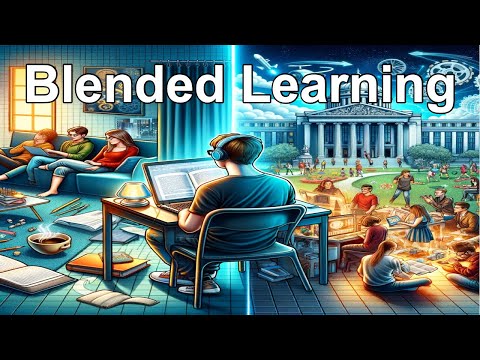
Blended learning, which combines elements of traditional and online learning, has emerged as a popular approach in recent years. This approach, as seen in Flipped Classroom, offers the best of both worlds, providing students with the flexibility and accessibility of online learning, while also offering the social interaction and community of traditional education. Blended learning can be implemented in various ways, including the use of online courses and resources to supplement traditional classroom instruction. According to a study by Harvard Business Review, blended learning can be an effective way to improve student outcomes and increase student engagement. However, it requires careful planning and implementation, as discussed in Instructional Design.
📊 Cost Comparison: Traditional vs Online Learning
One of the key advantages of online learning is its cost-effectiveness. Online courses and degree programs are often more affordable than their traditional counterparts, with students saving on tuition fees, room, and board. According to a study by National Center for Education Statistics, the average cost of attending a public university is around $20,000 per year, while the average cost of attending an online university is around $10,000 per year. However, traditional education has its own set of benefits, including the development of important life skills, such as communication and teamwork, as emphasized by John Dewey. Moreover, traditional education provides students with access to various resources and facilities, such as libraries, laboratories, and career counseling services, as discussed in University of Michigan.
📈 Accessibility and Flexibility: Online Learning's Advantage
Online learning offers unparalleled accessibility and flexibility, allowing students to learn at their own pace and on their own schedule. This approach, as seen in Udemy, provides students with the opportunity to balance their academic and professional responsibilities, while also pursuing their personal interests. According to a study by Gallup, online learning can be an effective way to improve student outcomes and increase student engagement. However, it requires a high level of self-motivation and discipline, as discussed in Self-Directed Learning. Moreover, online learning can lack the social interaction and community that traditional education provides, as noted by Social Learning Theory.
📚 The Role of Technology in Education
Technology has played a crucial role in the development of online learning, with various digital tools and platforms being used to deliver courses and degree programs. According to a study by EdTech Review, the use of technology in education can improve student outcomes and increase student engagement. However, it also raises important questions about the role of technology in education, as discussed in Technology Integration. For example, how can we ensure that technology is used effectively and efficiently in the classroom? How can we prevent the over-reliance on technology and promote more traditional forms of learning? These are important questions that need to be addressed, as noted by Neil Postman.
📊 Measuring Success: Outcomes and Effectiveness
Measuring the success of online learning is a complex task, with various factors being taken into account. According to a study by Harvard Business Review, online learning can be an effective way to improve student outcomes and increase student engagement. However, it requires careful planning and implementation, as discussed in Instructional Design. Moreover, online learning can lack the social interaction and community that traditional education provides, as noted by Social Learning Theory. Nevertheless, there are various ways to measure the success of online learning, such as the use of learning analytics and assessment tools, as seen in Learning Analytics.
🔮 The Future of Education: Trends and Predictions
The future of education is likely to be shaped by various trends and predictions, including the increasing use of technology and the rise of online learning. According to a study by Gallup, online learning can be an effective way to improve student outcomes and increase student engagement. However, it also raises important questions about the role of technology in education, as discussed in Technology Integration. For example, how can we ensure that technology is used effectively and efficiently in the classroom? How can we prevent the over-reliance on technology and promote more traditional forms of learning? These are important questions that need to be addressed, as noted by Neil Postman.
📝 Conclusion: The Great Debate Rages On
In conclusion, the great debate between traditional student experience and online learning is likely to continue, with each side having its own set of advantages and disadvantages. While traditional education provides a more personalized and interactive learning environment, online learning offers flexibility and accessibility. According to a study by National Center for Education Statistics, the number of students enrolled in online courses has been increasing steadily over the years. However, online learning can lack the social interaction and community that traditional education provides, as noted by Social Learning Theory. Nevertheless, blended learning, which combines elements of traditional and online learning, has emerged as a popular approach in recent years, offering the best of both worlds.
Key Facts
- Year
- 2022
- Origin
- Vibepedia
- Category
- Education
- Type
- Concept
- Format
- comparison
Frequently Asked Questions
What is the main difference between traditional and online learning?
The main difference between traditional and online learning is the delivery method. Traditional learning takes place in a physical classroom, while online learning takes place through digital platforms. According to a study by National Center for Education Statistics, the number of students enrolled in online courses has been increasing steadily over the years. However, traditional education provides a more personalized and interactive learning environment, as seen in University of California.
What are the benefits of online learning?
The benefits of online learning include flexibility, accessibility, and cost-effectiveness. Online learning provides students with the opportunity to learn at their own pace and on their own schedule, as discussed in Online Courses. According to a study by Gallup, online learning can be an effective way to improve student outcomes and increase student engagement. However, online learning can lack the social interaction and community that traditional education provides, as noted by Social Learning Theory.
What is blended learning?
Blended learning is an approach that combines elements of traditional and online learning. It offers the best of both worlds, providing students with the flexibility and accessibility of online learning, while also offering the social interaction and community of traditional education. According to a study by Harvard Business Review, blended learning can be an effective way to improve student outcomes and increase student engagement. However, it requires careful planning and implementation, as discussed in Instructional Design.
How can we measure the success of online learning?
Measuring the success of online learning is a complex task, with various factors being taken into account. According to a study by Harvard Business Review, online learning can be an effective way to improve student outcomes and increase student engagement. However, it requires careful planning and implementation, as discussed in Instructional Design. Moreover, online learning can lack the social interaction and community that traditional education provides, as noted by Social Learning Theory.
What is the future of education?
The future of education is likely to be shaped by various trends and predictions, including the increasing use of technology and the rise of online learning. According to a study by Gallup, online learning can be an effective way to improve student outcomes and increase student engagement. However, it also raises important questions about the role of technology in education, as discussed in Technology Integration. For example, how can we ensure that technology is used effectively and efficiently in the classroom? How can we prevent the over-reliance on technology and promote more traditional forms of learning?
👥 Social Interaction and Community: A Key Aspect of Learning
Social interaction and community are key aspects of learning, with students benefiting from the opportunity to interact with their peers and teachers. According to a study by Social Learning Theory, social interaction can improve student outcomes and increase student engagement. However, online learning can lack the social interaction and community that traditional education provides, as noted by Connectivism. Moreover, online learning requires a high level of self-motivation and discipline, as discussed in Self-Directed Learning. Nevertheless, there are various ways to promote social interaction and community in online learning, such as the use of discussion forums, video conferencing, and social media, as seen in Online Community.