
Contents
- 🏠 Introduction to Smart Homes
- 📊 The Rise of Nest Labs
- 🤖 Google's Entry into Smart Homes
- 📈 The Acquisition and Its Aftermath
- 🔍 Comparison of Nest and Google Smart Home Products
- 📊 Market Share and Competition
- 🤝 Partnerships and Integrations
- 🚀 Future of Smart Homes
- 📊 Challenges and Controversies
- 👥 Consumer Preferences and Reviews
- 📊 Conclusion and Future Outlook
- Frequently Asked Questions
- Related Topics
Overview
The acquisition of Nest Labs by Google in 2014 for $3.2 billion marked a significant turning point in the smart home industry. Nest Labs, founded in 2010 by Tony Fadell and Matt Rogers, had already made a name for itself with its sleek and user-friendly thermostats and smoke detectors. However, the integration with Google has been a subject of controversy, with some arguing that it has led to a loss of focus on Nest's core products and values. With Google's own smart home initiatives, such as Google Home and Google Assistant, the lines between Nest and Google have become increasingly blurred. As the smart home market continues to grow, with an estimated 1.4 billion connected devices by 2027, the question remains: what does the future hold for Nest Labs and Google? Will they be able to reconcile their differences and create a seamless smart home experience, or will the tension between them hinder innovation? The answer lies in the complex web of entity relationships, influence flows, and topic intelligence that shape the smart home landscape.
🏠 Introduction to Smart Homes
The concept of smart homes has been around for decades, but it wasn't until the 2010s that it started gaining mainstream attention. With the rise of Internet of Things (IoT), companies like Nest Labs and Google began to develop innovative products that could make homes more convenient, energy-efficient, and secure. The idea of controlling lighting, temperature, and security systems remotely using a smartphone app was particularly appealing to consumers. As the market grew, so did the competition, with Amazon and Apple also entering the fray with their own smart home products.
📊 The Rise of Nest Labs
Nest Labs, founded in 2010 by Tony Fadell and Matt Rogers, was one of the pioneers in the smart home industry. Their first product, the Nest Learning Thermostat, was a huge success, and it quickly gained a reputation for being user-friendly and energy-efficient. The company's focus on design and user experience helped it stand out from the competition, and it quickly became a leader in the market. Nest Labs' success caught the attention of Google, which acquired the company in 2014 for $3.2 billion.
🤖 Google's Entry into Smart Homes
Google's entry into the smart home market was a strategic move to expand its reach beyond search and advertising. With the acquisition of Nest Labs, Google gained a strong foothold in the market and access to Nest's innovative products and technology. Google's own smart home products, such as Google Home and Google Nest, have been well-received by consumers, and the company has continued to invest in research and development to improve its offerings. However, some critics have argued that Google's focus on smart home products has been too focused on artificial intelligence and not enough on user privacy and security.
📈 The Acquisition and Its Aftermath
The acquisition of Nest Labs by Google was a significant event in the smart home industry. The deal gave Google access to Nest's products and technology, and it allowed Nest to leverage Google's resources and expertise to expand its reach. However, the acquisition also raised concerns about user privacy and data security, as Google's business model is based on collecting and analyzing user data. Despite these concerns, the acquisition has been largely successful, and Nest's products have continued to innovate and improve under Google's ownership. The company has also expanded its product line to include Nest Cam and Nest Secure, which have been well-received by consumers.
🔍 Comparison of Nest and Google Smart Home Products
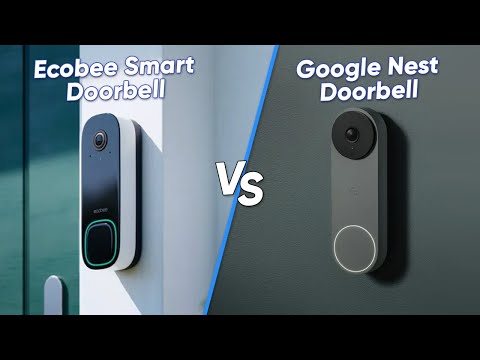
When it comes to smart home products, both Nest Labs and Google offer a range of innovative solutions. Nest's products, such as the Nest Learning Thermostat and Nest Protect, are known for their sleek design and user-friendly interface. Google's products, such as Google Home and Google Nest, offer a more comprehensive smart home experience, with integration with other Google services such as Google Assistant. However, some critics have argued that Google's products are too focused on voice assistant technology and not enough on other aspects of smart home automation.
🤝 Partnerships and Integrations
Partnerships and integrations are key to the success of smart home products. Both Nest Labs and Google have partnered with other companies to expand their offerings and improve user experience. For example, Nest has partnered with Philips Hue to offer integrated lighting solutions, while Google has partnered with August to offer integrated door lock solutions. These partnerships have helped to create a more seamless and integrated smart home experience for consumers, and they have also helped to drive innovation and growth in the market.
🚀 Future of Smart Homes
The future of smart homes is exciting and uncertain. With the rise of artificial intelligence and Internet of Things (IoT), smart home products are becoming increasingly sophisticated and integrated. Companies like Google and Nest Labs are investing heavily in research and development to improve their offerings and stay ahead of the competition. However, there are also concerns about user privacy and data security, as well as the potential for smart home products to be used for nefarious purposes. As the market continues to evolve, it will be important for companies to prioritize user privacy and security while also driving innovation and growth.
📊 Challenges and Controversies
Despite the many benefits of smart home products, there are also challenges and controversies surrounding their use. One of the main concerns is user privacy and data security, as smart home products often collect and transmit sensitive user data. There have been several high-profile cases of smart home products being hacked or compromised, which has raised concerns about their safety and security. Additionally, some critics have argued that smart home products are too focused on convenience and not enough on energy efficiency and sustainability.
👥 Consumer Preferences and Reviews
Consumer preferences and reviews are an important factor in the success of smart home products. According to a survey by Consumer Reports, the most important factors for consumers when choosing a smart home product are ease of use, compatibility with other devices, and customer support. Both Nest Labs and Google have received high marks from consumers for their products, with many praising their ease of use and integration with other devices. However, some consumers have also raised concerns about the cost and value of smart home products, as well as the potential for them to become obsolete or outdated.
📊 Conclusion and Future Outlook
In conclusion, the smart home showdown between Nest Labs and Google is a complex and multifaceted one. Both companies have innovative products and a strong commitment to user experience, but they also have different strengths and weaknesses. As the market continues to evolve, it will be important for companies to prioritize user privacy and security while also driving innovation and growth. The future of smart homes is exciting and uncertain, and it will be interesting to see how companies like Google and Nest Labs navigate the challenges and opportunities ahead.
Key Facts
- Year
- 2014
- Origin
- California, USA
- Category
- Technology
- Type
- Company
- Format
- comparison
Frequently Asked Questions
What is the difference between Nest Labs and Google smart home products?
Nest Labs and Google smart home products have different strengths and weaknesses. Nest Labs products are known for their sleek design and user-friendly interface, while Google products offer a more comprehensive smart home experience with integration with other Google services. However, some critics have argued that Google's products are too focused on voice assistant technology and not enough on other aspects of smart home automation.
Are smart home products secure?
Smart home products can be secure if used properly, but there are also risks associated with their use. Several high-profile cases of smart home products being hacked or compromised have raised concerns about their safety and security. It is essential for consumers to take steps to protect their smart home products, such as using strong passwords and keeping software up to date.
What is the future of smart homes?
The future of smart homes is exciting and uncertain. With the rise of artificial intelligence and Internet of Things (IoT), smart home products are becoming increasingly sophisticated and integrated. Companies like Google and Nest Labs are investing heavily in research and development to improve their offerings and stay ahead of the competition. However, there are also concerns about user privacy and data security, as well as the potential for smart home products to be used for nefarious purposes.
How do I choose the right smart home product for my needs?
Choosing the right smart home product depends on several factors, including your budget, lifestyle, and preferences. It is essential to research different products and read reviews from other consumers to find the best fit for your needs. You should also consider factors such as ease of use, compatibility with other devices, and customer support.
Can I integrate my smart home products with other devices?
Yes, many smart home products can be integrated with other devices, such as smartphones, tablets, and voice assistants. This can create a more seamless and integrated smart home experience, but it also requires careful consideration of compatibility and security. It is essential to research the integration capabilities of different products before making a purchase.
What are the benefits of using smart home products?
The benefits of using smart home products include increased convenience, energy efficiency, and security. Smart home products can also provide valuable insights into your energy usage and help you optimize your energy consumption. Additionally, smart home products can be integrated with other devices to create a more seamless and integrated smart home experience.
Are smart home products worth the investment?
Whether smart home products are worth the investment depends on several factors, including your budget, lifestyle, and preferences. Smart home products can be expensive, but they can also provide significant benefits and savings in the long run. It is essential to carefully consider the costs and benefits of different products before making a purchase.