
Contents
- 🎵 Introduction to Epigenetics
- ⚙️ Mechanisms of Histone Modification
- 📊 Key Facts and Numbers
- 👥 Key People and Organizations
- 🌍 Cultural Impact and Influence
- ⚡ Current State and Latest Developments
- 🤔 Controversies and Debates
- 🔮 Future Outlook and Predictions
- 💡 Practical Applications
- 📚 Related Topics and Deeper Reading
- References
Overview
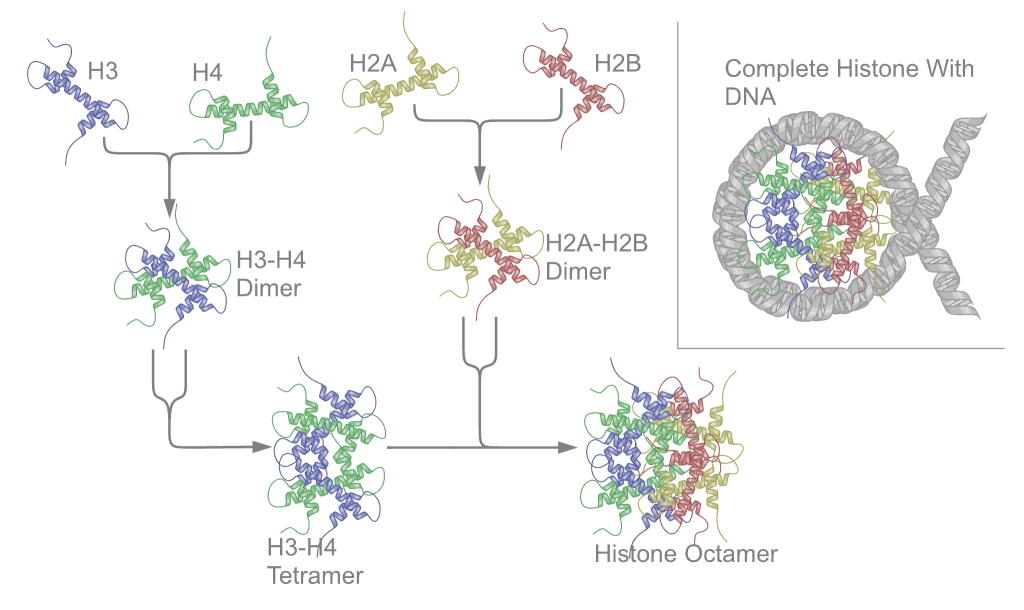
Gene expression regulation is a crucial aspect of cellular biology, allowing cells to respond to environmental changes and developmental cues without altering the underlying DNA sequence. Epigenetic modifications, including histone modification and DNA methylation, play a significant role in this process. Histone modification, in particular, involves the addition of various chemical groups to histone proteins, which DNA wraps around to form chromatin. This process can either relax or compact chromatin structure, thereby influencing gene expression. For instance, the addition of acetyl groups to histones tends to activate gene expression, while the addition of methyl groups can repress it. Understanding the mechanisms of histone modification and its impact on gene expression is essential for elucidating the complexities of cellular regulation. Research has shown that histone modification plays a critical role in the regulation of gene expression during development, cell differentiation, and response to environmental stimuli. The interplay between histone modification and other epigenetic mechanisms, such as DNA methylation and non-coding RNA regulation, is also an area of active research.
🎵 Introduction to Epigenetics
Introduction to Epigenetics — Epigenetics is the study of heritable changes in gene function that occur without a change in the underlying DNA sequence. These changes can remain through cell divisions for the remainder of the cell's life and may last for multiple generations. Epigenetic modifications can be influenced by various factors, including age, environment, and lifestyle. For example, epigenetic reprogramming is a crucial process that occurs during embryonic development, allowing for the establishment of cell-specific gene expression patterns. The study of epigenetics has led to a greater understanding of the complex interactions between genes and the environment, and has implications for our understanding of human development and health.
⚙️ Mechanisms of Histone Modification
Mechanisms of Histone Modification — Histone modification involves the addition of various chemical groups to histone proteins, which can either relax or compact chromatin structure. The most common types of histone modifications include acetylation, methylation, phosphorylation, and ubiquitination. These modifications can be added or removed by specific enzymes, allowing for dynamic regulation of gene expression. For instance, histone acetyltransferases (HATs) add acetyl groups to histones, leading to chromatin relaxation and activation of gene expression. In contrast, histone deacetylases (HDACs) remove acetyl groups, leading to chromatin compaction and repression of gene expression. Michael Grunstein's work has been instrumental in understanding the mechanisms of histone modification and its role in gene expression regulation.
📊 Key Facts and Numbers
Key Facts and Numbers — Epigenetic modifications are a crucial aspect of gene regulation. The National Institutes of Health (NIH) provides funding and resources for scientists to study the complex interactions between genes and the environment.
👥 Key People and Organizations
Key People and Organizations — The study of histone modification and epigenetics has been advanced by the work of numerous researchers and organizations. The National Institutes of Health (NIH) is a major contributor to epigenetics research, providing funding and resources for scientists to study the complex interactions between genes and the environment.
🌍 Cultural Impact and Influence
Cultural Impact and Influence — The study of epigenetics has led to a greater understanding of the complex interactions between genes and the environment.
⚡ Current State and Latest Developments
Current State and Latest Developments — The field of epigenetics is rapidly expanding, with new technologies and discoveries being made regularly.
🤔 Controversies and Debates
Controversies and Debates — The study of epigenetics and histone modification is not without controversy.
🔮 Future Outlook and Predictions
Future Outlook and Predictions — The future of epigenetics research holds much promise, with new technologies and discoveries being made regularly.
💡 Practical Applications
Practical Applications — The study of epigenetics and histone modification has numerous practical applications.
Key Facts
- Category
- medicine
- Type
- topic