
Contents
Overview
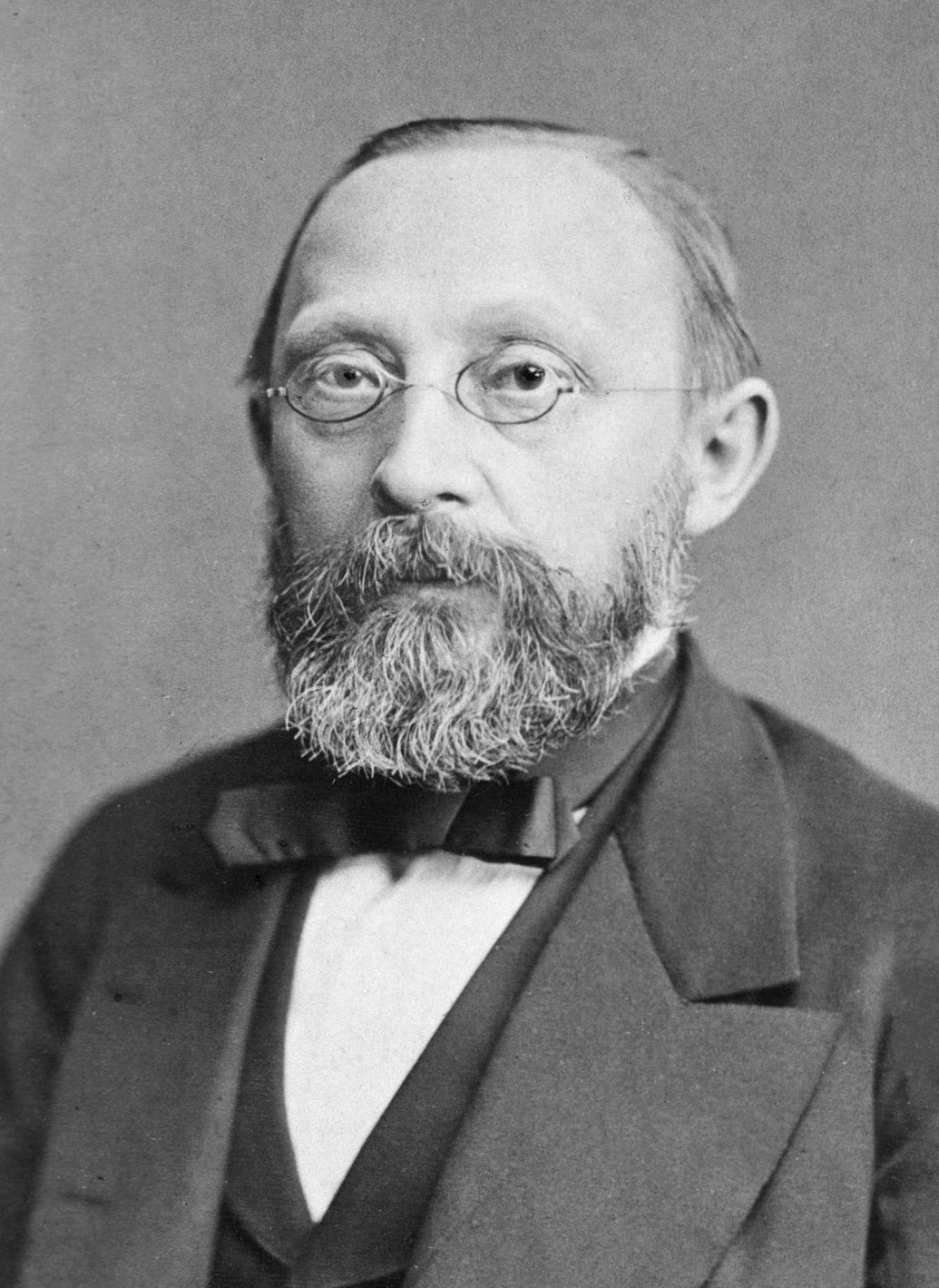
Rudolf Virchow was a German physician, anthropologist, pathologist, prehistorian, biologist, writer, editor, and politician who is known as the father of modern pathology and the founder of social medicine. He studied medicine at the Friedrich Wilhelm University under Johannes Peter Müller and worked at the Charité hospital. Virchow is famous for his aphorism 'Medicine is a social science, and politics is nothing else but medicine on a large scale.' He was a key figure in the Revolution of 1848 and was expelled from Charité in 1849. Virchow then published a newspaper called Die Medizinische Reform (The Medical Reform) and took the first Chair of Pathological Anatomy at the University of Würzburg. His work has had a lasting impact on the field of medicine and public health, and he is still widely recognized as one of the most important figures in the history of medicine. With a career spanning over five decades, Virchow's contributions to medicine, anthropology, and social science are still studied and revered today. His legacy extends beyond his own work, influencing generations of medical professionals and researchers, including Louis Pasteur and Robert Koch.
Origins & History
Virchow studied medicine at the Friedrich Wilhelm University under Johannes Peter Müller, a renowned German physiologist. This experience had a profound impact on his views on medicine and its relationship to society, leading him to coin the aphorism 'Medicine is a social science, and politics is nothing else but medicine on a large scale.'
How It Works
Virchow held the first Chair of Pathological Anatomy at the University of Würzburg. The National Institutes of Health (NIH) has recognized Virchow's contributions to the field of medicine and has named a number of awards and programs in his honor.
Key Facts & Numbers
The field of medicine and public health is constantly evolving. The National Institutes of Health (NIH) has recognized Virchow's contributions to the field of medicine and has named a number of awards and programs in his honor.
Key Facts
- Category
- medicine
- Type
- topic