
Contents
- 🚀 Introduction to Travel Industry Reports
- 📊 Market Analysis and Trends
- 🌎 Sustainable Tourism: The Future of Travel
- 📈 Economic Impact of Tourism
- 🚫 Challenges Facing the Travel Industry
- 🌟 Technology and Innovation in Tourism
- 📊 Destination Management and Marketing
- 👥 Consumer Behavior and Travel Preferences
- 🌍 Global Tourism Policy and Governance
- 📊 Measuring Success: Key Performance Indicators
- 🚀 Future Outlook and Emerging Trends
- Frequently Asked Questions
- Related Topics
Overview
The travel industry has faced unprecedented disruptions in recent years, from the COVID-19 pandemic to shifting consumer behaviors and technological advancements. According to a report by the World Tourism Organization (UNWTO), international tourist arrivals declined by 72% in 2020, resulting in a loss of $1.3 trillion in export revenues. As the industry recovers, travel companies are adapting to new realities, such as the rise of sustainable tourism, with 75% of travelers considering environmental impact when making travel decisions, as reported by Booking.com. The use of artificial intelligence, virtual reality, and blockchain technology is also transforming the travel experience, with companies like Expedia and Airbnb investing heavily in these areas. However, concerns around data privacy, cybersecurity, and the digital divide persist, with 60% of travelers expressing concerns about data security, according to a survey by the Travel Industry Association. As the industry looks to the future, it must balance the needs of travelers, destinations, and the environment, with the global tourism market projected to reach $1.4 trillion by 2025, according to a report by Grand View Research.
🚀 Introduction to Travel Industry Reports
The travel industry is a complex and multifaceted sector that encompasses various aspects, including transportation, accommodation, and tourist attractions. Travel Industry reports provide valuable insights into the current state of the industry, highlighting trends, challenges, and opportunities for growth. According to a report by the World Tourism Organization, international tourist arrivals reached 1.5 billion in 2019, generating $1.7 trillion in export earnings. The industry is expected to continue growing, with sustainable tourism practices becoming increasingly important. As the industry evolves, it is essential to stay informed about the latest developments and trends, such as the impact of climate change on tourism.
📊 Market Analysis and Trends
Market analysis and trends are crucial components of travel industry reports. The industry is highly competitive, with various players, including hotel chains, airlines, and tour operators, vying for market share. According to a report by Phocuswright, the global online travel market is projected to reach $1.1 trillion by 2025. The rise of online travel agencies has transformed the way people book their travel arrangements, with Expedia and Booking.com being two of the most popular platforms. The industry is also witnessing a shift towards experiential travel, with travelers seeking unique and authentic experiences, such as ecotourism and cultural tourism.
🌎 Sustainable Tourism: The Future of Travel
Sustainable tourism is a critical aspect of the travel industry, with many destinations adopting eco-friendly practices to reduce their environmental impact. The United Nations has launched the Sustainable Development Goals, which include targets related to sustainable tourism. According to a report by the International Ecotourism Society, sustainable tourism can contribute to the conservation of natural and cultural resources, while also generating income and creating jobs for local communities. Responsible travel practices, such as reducing carbon footprint and supporting local economies, are becoming increasingly important for travelers, with many opting for green tourism and community-based tourism.
📈 Economic Impact of Tourism
The economic impact of tourism is significant, with the industry generating substantial revenue and creating employment opportunities. According to a report by the World Travel and Tourism Council, the travel industry accounted for 10.3% of global GDP and 330 million jobs in 2019. The industry is also a significant contributor to government revenues, with tourism taxes and visa fees being important sources of income. However, the industry is not without its challenges, including overtourism, which can lead to environmental degradation and cultural homogenization. Destination management and tourism planning are essential to mitigate these impacts and ensure the long-term sustainability of the industry.
🚫 Challenges Facing the Travel Industry
The travel industry faces numerous challenges, including global economic uncertainty, political instability, and environmental concerns. The industry is also vulnerable to pandemics and natural disasters, which can have a significant impact on tourist arrivals and revenue. According to a report by the World Health Organization, the COVID-19 pandemic had a devastating impact on the industry, with international tourist arrivals declining by 72% in 2020. The industry is responding to these challenges by adopting crisis management strategies and investing in disaster risk reduction measures.
🌟 Technology and Innovation in Tourism
Technology and innovation are transforming the travel industry, with the adoption of artificial intelligence, blockchain, and Internet of Things (IoT) technologies. According to a report by Google, the use of virtual reality and augmented reality is becoming increasingly popular in the industry, with many destinations and travel companies using these technologies to enhance the traveler experience. The industry is also witnessing a shift towards mobile-first strategies, with many travelers using their mobile devices to book and plan their trips. Travel technology companies, such as Amadeus and Sabre, are playing a critical role in shaping the industry's digital landscape.
📊 Destination Management and Marketing
Destination management and marketing are essential components of the travel industry, with many destinations competing for tourist arrivals and revenue. According to a report by the Destination Marketing Association, destination marketing organizations (DMOs) play a critical role in promoting destinations and attracting visitors. The industry is also witnessing a shift towards experiential marketing, with many destinations using events and festivals to attract visitors and create memorable experiences. Social media marketing is also becoming increasingly important, with many destinations using platforms like Instagram and Facebook to engage with travelers and promote their destinations.
👥 Consumer Behavior and Travel Preferences
Consumer behavior and travel preferences are changing, with many travelers seeking unique and authentic experiences. According to a report by Euromonitor, the demand for luxury travel and wellness tourism is increasing, with many travelers willing to pay a premium for high-quality experiences. The industry is also witnessing a shift towards solo travel, with many travelers opting for solo trips and experiences. Travel personalization is becoming increasingly important, with many travel companies using data and analytics to tailor their offerings to individual travelers' preferences and needs.
🌍 Global Tourism Policy and Governance
Global tourism policy and governance are critical components of the travel industry, with many governments and international organizations playing a role in shaping the industry's development. According to a report by the UN World Tourism Organization, the industry is subject to various international agreements and conventions, including the UNWTO Global Code of Ethics for Tourism. The industry is also witnessing a shift towards regulatory frameworks that promote sustainable tourism and protect the rights of travelers and local communities. Tourism policy and governance are essential to ensure the long-term sustainability of the industry and promote its development in a responsible and equitable manner.
📊 Measuring Success: Key Performance Indicators
Measuring success in the travel industry is critical, with many destinations and travel companies using key performance indicators (KPIs) to evaluate their performance. According to a report by Deloitte, the most common KPIs used in the industry include revenue per available room (RevPAR), average daily rate (ADR), and occupancy rate. The industry is also witnessing a shift towards data-driven decision making, with many destinations and travel companies using data and analytics to inform their marketing and management strategies. Performance measurement is essential to identify areas for improvement and optimize the use of resources.
🚀 Future Outlook and Emerging Trends
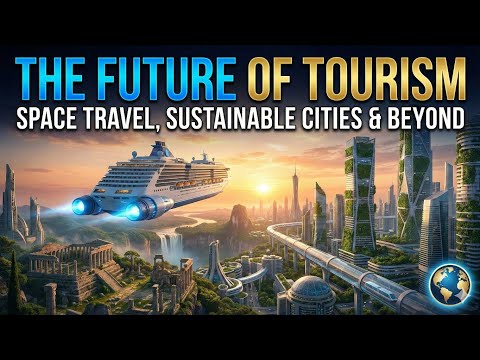
The future of the travel industry is uncertain, with many challenges and opportunities on the horizon. According to a report by PwC, the industry is expected to continue growing, with international tourist arrivals projected to reach 2 billion by 2030. The industry is also witnessing a shift towards sustainable tourism practices, with many destinations and travel companies adopting eco-friendly practices and reducing their environmental impact. Emerging trends in the industry include the use of virtual reality and augmented reality to enhance the traveler experience, as well as the growth of luxury travel and wellness tourism.
Key Facts
- Year
- 2022
- Origin
- Vibepedia Travel Industry Reports
- Category
- Travel and Hospitality
- Type
- Industry Report
Frequently Asked Questions
What is the current state of the travel industry?
The travel industry is a complex and multifaceted sector that encompasses various aspects, including transportation, accommodation, and tourist attractions. According to a report by the World Tourism Organization, international tourist arrivals reached 1.5 billion in 2019, generating $1.7 trillion in export earnings. The industry is expected to continue growing, with sustainable tourism practices becoming increasingly important.
What are the major challenges facing the travel industry?
The travel industry faces numerous challenges, including global economic uncertainty, political instability, and environmental concerns. The industry is also vulnerable to pandemics and natural disasters, which can have a significant impact on tourist arrivals and revenue. According to a report by the World Health Organization, the COVID-19 pandemic had a devastating impact on the industry, with international tourist arrivals declining by 72% in 2020.
What is the role of technology in the travel industry?
Technology and innovation are transforming the travel industry, with the adoption of artificial intelligence, blockchain, and Internet of Things (IoT) technologies. According to a report by Google, the use of virtual reality and augmented reality is becoming increasingly popular in the industry, with many destinations and travel companies using these technologies to enhance the traveler experience.
What is the importance of sustainable tourism?
Sustainable tourism is a critical aspect of the travel industry, with many destinations adopting eco-friendly practices to reduce their environmental impact. The United Nations has launched the Sustainable Development Goals, which include targets related to sustainable tourism. According to a report by the International Ecotourism Society, sustainable tourism can contribute to the conservation of natural and cultural resources, while also generating income and creating jobs for local communities.
What is the future outlook for the travel industry?
The future of the travel industry is uncertain, with many challenges and opportunities on the horizon. According to a report by PwC, the industry is expected to continue growing, with international tourist arrivals projected to reach 2 billion by 2030. The industry is also witnessing a shift towards sustainable tourism practices, with many destinations and travel companies adopting eco-friendly practices and reducing their environmental impact.