
Contents
- 🚗 Introduction to Traffic Safety
- 📚 History of Traffic Safety Manuals
- 🚨 Causes of Traffic Accidents
- 👮♀️ Role of Law Enforcement in Traffic Safety
- 🚗 Vehicle Safety Features
- 📊 Traffic Safety Statistics
- 🌎 Global Traffic Safety Initiatives
- 📚 Best Practices for Traffic Safety
- 🚧 Road Infrastructure and Traffic Safety
- 👥 Community Engagement in Traffic Safety
- 📊 Economic Impact of Traffic Accidents
- 🔜 Future of Traffic Safety
- Frequently Asked Questions
- Related Topics
Overview
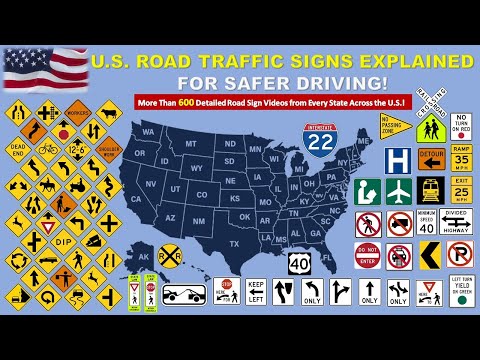
The traffic safety manual is a crucial document that outlines the rules and regulations of the road, aiming to reduce accidents and ensure the safety of all road users. According to the World Health Organization (WHO), approximately 1.35 million people die every year as a result of road traffic accidents, with many more suffering injuries. The manual covers various aspects, including speed limits, right-of-way rules, and safety precautions such as wearing seatbelts and helmets. It also provides guidelines for pedestrians, cyclists, and motorists, highlighting the importance of defensive driving and responsible behavior on the road. By following the guidelines set out in the traffic safety manual, individuals can significantly reduce their risk of being involved in a road accident. For instance, a study by the National Highway Traffic Safety Administration (NHTSA) found that wearing a seatbelt can reduce the risk of fatal injury by up to 45%, and the risk of moderate to serious injury by up to 50%. As technology continues to evolve, the traffic safety manual must also adapt to address new challenges and opportunities, such as the integration of autonomous vehicles and smart traffic management systems, which could potentially reduce accidents by up to 90%, as estimated by the Insurance Institute for Highway Safety (IIHS).
🚗 Introduction to Traffic Safety
The Traffic Safety Manual is a comprehensive guide that provides valuable information on how to stay safe on the roads. According to the National Highway Traffic Safety Administration (NHTSA), traffic accidents are a leading cause of death and injury worldwide. The manual covers various topics, including traffic laws and regulations, defensive driving techniques, and vehicle maintenance tips. By following the guidelines outlined in the manual, drivers can significantly reduce their risk of being involved in a traffic accident. The American Automobile Association (AAA) also provides additional resources and support for drivers. Furthermore, the Federal Highway Administration (FHWA) plays a crucial role in promoting traffic safety through infrastructure development and maintenance.
📚 History of Traffic Safety Manuals
The history of traffic safety manuals dates back to the early 20th century, when the first traffic laws were enacted. Over the years, these manuals have evolved to include new information and best practices. The National Safety Council (NSC) has been a key player in the development of traffic safety manuals, providing valuable insights and expertise. The Insurance Institute for Highway Safety (IIHS) also conducts extensive research on traffic safety and provides recommendations for improving vehicle safety. Additionally, the Governors Highway Safety Association (GHSA) works to promote traffic safety through education and awareness campaigns. The National Association of County Officials (NACo) also plays a role in promoting traffic safety at the local level.
🚨 Causes of Traffic Accidents
Traffic accidents can be caused by a variety of factors, including distracted driving, drunk driving, and speeding. The National Transportation Safety Board (NTSB) investigates traffic accidents to determine their causes and make recommendations for improving safety. The Federal Motor Carrier Safety Administration (FMCSA) also regulates the trucking industry to reduce the risk of accidents. Furthermore, the National Institute on Drunk Driving and Traffic Safety provides resources and support for reducing drunk driving. The Centers for Disease Control and Prevention (CDC) also conducts research on the causes of traffic accidents and provides recommendations for prevention.
👮♀️ Role of Law Enforcement in Traffic Safety
Law enforcement plays a critical role in promoting traffic safety by enforcing traffic laws and regulations. The International Association of Chiefs of Police (IACP) provides training and resources for law enforcement officers to improve their traffic safety skills. The National Sheriffs' Association (NSA) also works to promote traffic safety through education and awareness campaigns. Additionally, the Federal Law Enforcement Training Program (FLETP) provides training for federal law enforcement officers on traffic safety. The Bureau of Justice Assistance (BJA) also provides funding and resources for law enforcement agencies to improve traffic safety. The Office of Justice Programs (OJP) also plays a role in promoting traffic safety through funding and technical assistance.
🚗 Vehicle Safety Features
Vehicle safety features, such as airbags and anti-lock braking systems, can significantly reduce the risk of injury or death in the event of a traffic accident. The National Highway Traffic Safety Administration (NHTSA) sets standards for vehicle safety features and conducts testing to ensure compliance. The Insurance Institute for Highway Safety (IIHS) also conducts extensive research on vehicle safety and provides recommendations for improving safety. Additionally, the Society of Automotive Engineers (SAE) develops standards for vehicle safety features. The Automotive Research Association of India (ARAI) also conducts research on vehicle safety and provides recommendations for improvement.
📊 Traffic Safety Statistics
Traffic safety statistics show that traffic accidents are a leading cause of death and injury worldwide. According to the World Health Organization (WHO), over 1.35 million people die every year as a result of traffic accidents. The National Safety Council (NSC) also provides statistics on traffic accidents and injuries in the United States. Furthermore, the Centers for Disease Control and Prevention (CDC) conducts research on the causes of traffic accidents and provides recommendations for prevention. The National Institute of Health (NIH) also conducts research on the health impacts of traffic accidents. The Bureau of Transportation Statistics (BTS) also provides data on traffic safety.
🌎 Global Traffic Safety Initiatives
Global traffic safety initiatives, such as the United Nations Road Safety Decade of Action, aim to reduce the number of traffic accidents and injuries worldwide. The World Health Organization (WHO) also provides technical assistance and support to countries to improve traffic safety. Additionally, the Global Road Safety Partnership (GRSP) works to promote traffic safety through education and awareness campaigns. The International Transport Forum (ITF) also conducts research on traffic safety and provides recommendations for improvement. The Organisation for Economic Co-operation and Development (OECD) also provides data and analysis on traffic safety.
📚 Best Practices for Traffic Safety
Best practices for traffic safety include following traffic laws and regulations, using seat belts and other safety features, and avoiding distracted driving. The National Safety Council (NSC) provides resources and support for promoting traffic safety. The Insurance Institute for Highway Safety (IIHS) also conducts extensive research on traffic safety and provides recommendations for improving safety. Additionally, the American Automobile Association (AAA) provides tips and advice for safe driving. The Federal Highway Administration (FHWA) also provides guidance on road safety and maintenance.
🚧 Road Infrastructure and Traffic Safety
Road infrastructure and traffic safety are closely linked, as poor road conditions can increase the risk of traffic accidents. The Federal Highway Administration (FHWA) provides funding and technical assistance for road maintenance and improvement projects. The American Association of State Highway and Transportation Officials (AASHTO) also develops standards for road design and construction. Additionally, the Transportation Research Board (TRB) conducts research on road safety and provides recommendations for improvement. The National Cooperative Highway Research Program (NCHRP) also conducts research on road safety and provides guidance on best practices.
👥 Community Engagement in Traffic Safety
Community engagement is critical for promoting traffic safety, as it raises awareness and encourages individuals to take action to improve safety. The National Safety Council (NSC) provides resources and support for community-based traffic safety initiatives. The Governors Highway Safety Association (GHSA) also works to promote traffic safety through education and awareness campaigns. Additionally, the American Automobile Association (AAA) provides tips and advice for safe driving. The Federal Highway Administration (FHWA) also provides guidance on road safety and maintenance. The National Association of County Officials (NACo) also plays a role in promoting traffic safety at the local level.
📊 Economic Impact of Traffic Accidents
The economic impact of traffic accidents is significant, with costs estimated to be over $1 trillion annually in the United States alone. The National Highway Traffic Safety Administration (NHTSA) provides data and analysis on the economic impact of traffic accidents. The Insurance Institute for Highway Safety (IIHS) also conducts research on the economic impact of traffic accidents and provides recommendations for reducing costs. Additionally, the Federal Motor Carrier Safety Administration (FMCSA) regulates the trucking industry to reduce the risk of accidents. The Bureau of Transportation Statistics (BTS) also provides data on the economic impact of traffic accidents.
🔜 Future of Traffic Safety
The future of traffic safety will be shaped by advances in technology, such as autonomous vehicles and connected vehicles. The National Highway Traffic Safety Administration (NHTSA) is working to develop regulations and guidelines for the development and deployment of autonomous vehicles. The Insurance Institute for Highway Safety (IIHS) also conducts research on the safety implications of autonomous vehicles. Additionally, the Society of Automotive Engineers (SAE) develops standards for autonomous vehicles. The International Transport Forum (ITF) also conducts research on the future of traffic safety and provides recommendations for improvement.
Key Facts
- Year
- 2022
- Origin
- World Health Organization (WHO) and National Highway Traffic Safety Administration (NHTSA)
- Category
- Transportation
- Type
- Document
Frequently Asked Questions
What is the purpose of a traffic safety manual?
The purpose of a traffic safety manual is to provide valuable information on how to stay safe on the roads. It covers various topics, including traffic laws and regulations, defensive driving techniques, and vehicle maintenance tips. By following the guidelines outlined in the manual, drivers can significantly reduce their risk of being involved in a traffic accident. The manual is designed to promote traffic safety and reduce the number of traffic accidents and injuries. According to the National Highway Traffic Safety Administration (NHTSA), traffic accidents are a leading cause of death and injury worldwide. The American Automobile Association (AAA) also provides additional resources and support for drivers.
What are some common causes of traffic accidents?
Traffic accidents can be caused by a variety of factors, including distracted driving, drunk driving, and speeding. The National Transportation Safety Board (NTSB) investigates traffic accidents to determine their causes and make recommendations for improving safety. The Federal Motor Carrier Safety Administration (FMCSA) also regulates the trucking industry to reduce the risk of accidents. Furthermore, the National Institute on Drunk Driving and Traffic Safety provides resources and support for reducing drunk driving. The Centers for Disease Control and Prevention (CDC) also conducts research on the causes of traffic accidents and provides recommendations for prevention.
How can I promote traffic safety in my community?
Community engagement is critical for promoting traffic safety, as it raises awareness and encourages individuals to take action to improve safety. The National Safety Council (NSC) provides resources and support for community-based traffic safety initiatives. The Governors Highway Safety Association (GHSA) also works to promote traffic safety through education and awareness campaigns. Additionally, the American Automobile Association (AAA) provides tips and advice for safe driving. The Federal Highway Administration (FHWA) also provides guidance on road safety and maintenance. The National Association of County Officials (NACo) also plays a role in promoting traffic safety at the local level.
What are some best practices for traffic safety?
Best practices for traffic safety include following traffic laws and regulations, using seat belts and other safety features, and avoiding distracted driving. The National Safety Council (NSC) provides resources and support for promoting traffic safety. The Insurance Institute for Highway Safety (IIHS) also conducts extensive research on traffic safety and provides recommendations for improving safety. Additionally, the American Automobile Association (AAA) provides tips and advice for safe driving. The Federal Highway Administration (FHWA) also provides guidance on road safety and maintenance.
What is the economic impact of traffic accidents?
The economic impact of traffic accidents is significant, with costs estimated to be over $1 trillion annually in the United States alone. The National Highway Traffic Safety Administration (NHTSA) provides data and analysis on the economic impact of traffic accidents. The Insurance Institute for Highway Safety (IIHS) also conducts research on the economic impact of traffic accidents and provides recommendations for reducing costs. Additionally, the Federal Motor Carrier Safety Administration (FMCSA) regulates the trucking industry to reduce the risk of accidents. The Bureau of Transportation Statistics (BTS) also provides data on the economic impact of traffic accidents.
What is the future of traffic safety?
The future of traffic safety will be shaped by advances in technology, such as autonomous vehicles and connected vehicles. The National Highway Traffic Safety Administration (NHTSA) is working to develop regulations and guidelines for the development and deployment of autonomous vehicles. The Insurance Institute for Highway Safety (IIHS) also conducts research on the safety implications of autonomous vehicles. Additionally, the Society of Automotive Engineers (SAE) develops standards for autonomous vehicles. The International Transport Forum (ITF) also conducts research on the future of traffic safety and provides recommendations for improvement.
How can I stay safe on the roads?
To stay safe on the roads, it is essential to follow traffic laws and regulations, use seat belts and other safety features, and avoid distracted driving. The National Safety Council (NSC) provides resources and support for promoting traffic safety. The Insurance Institute for Highway Safety (IIHS) also conducts extensive research on traffic safety and provides recommendations for improving safety. Additionally, the American Automobile Association (AAA) provides tips and advice for safe driving. The Federal Highway Administration (FHWA) also provides guidance on road safety and maintenance.