
Contents
- 🍀 Origins & History
- 🍴 How It Works
- 📊 Key Facts & Numbers
- 👥 Key People & Organizations
- 🌍 Cultural Impact & Influence
- ⚡ Current State & Latest Developments
- 🤔 Controversies & Debates
- 🔮 Future Outlook & Predictions
- 💡 Practical Applications
- 📚 Related Topics & Deeper Reading
- Frequently Asked Questions
- References
- Related Topics
Overview
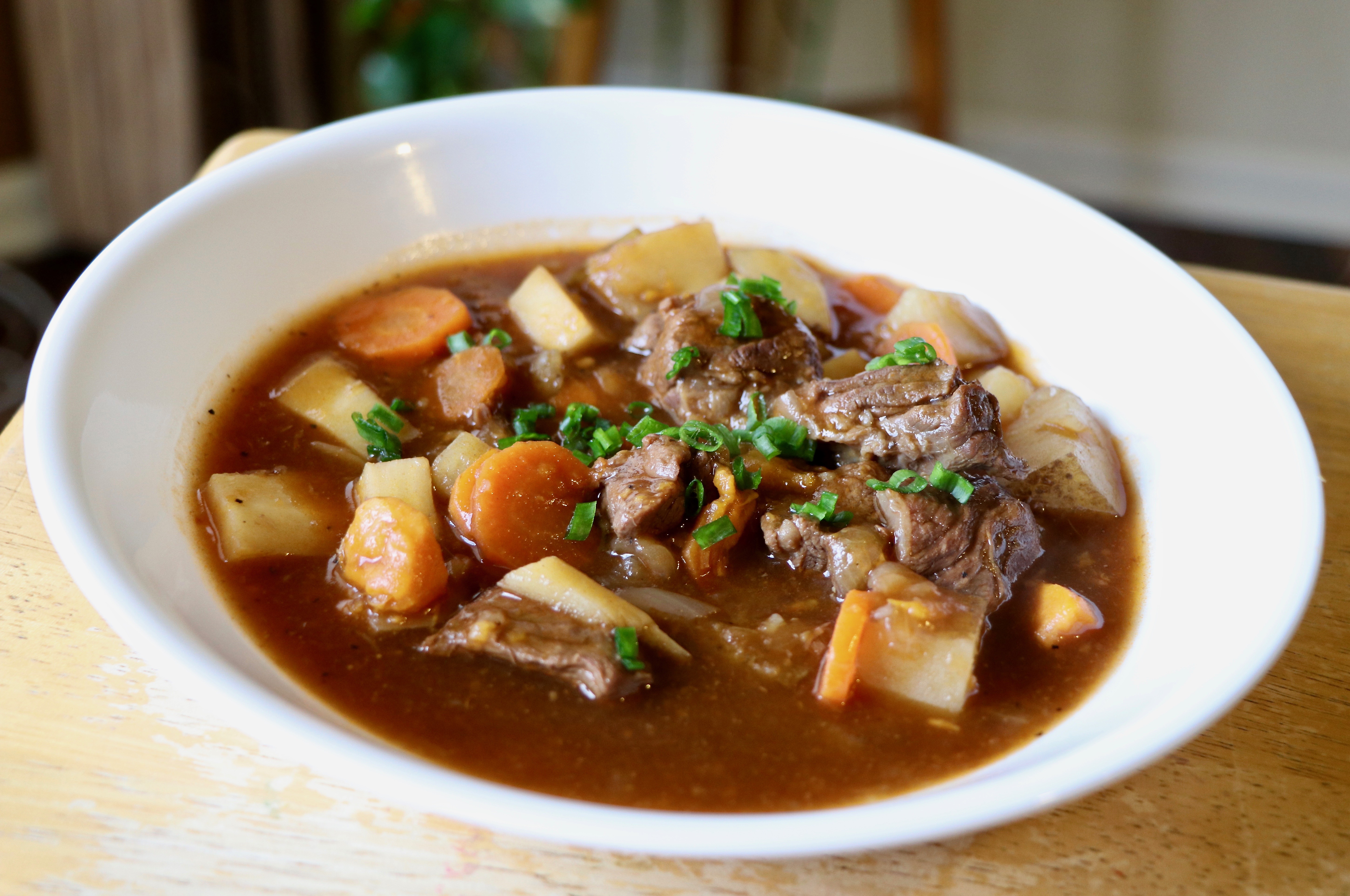
Traditional Irish cuisine is a unique blend of cooking styles, traditions, and recipes that have developed over centuries, influenced by the country's temperate climate, abundant seafood, and cultural exchange with neighboring Britain and Europe. Characterized by its use of local ingredients such as potatoes, carrots, and seafood, Irish cuisine has been shaped by historical events like the Tudor conquest, which introduced intensive grain-based agriculture. Today, traditional Irish dishes like Irish stew, colcannon, and soda bread remain popular, not only in Ireland but also around the world, with a growing interest in modern Irish cuisine and its creative twists on classic recipes. With a focus on hearty, comforting meals, Irish cuisine has become an integral part of the country's identity and culture, with many restaurants and chefs working to preserve and promote traditional cooking methods and ingredients. According to the Irish Food Board, the country's food industry is worth over €10 billion annually, with a significant portion of that attributed to traditional Irish cuisine. As noted by chef and food writer, Darina Allen, 'Irish cuisine is all about using the best local ingredients and cooking them with love and care.'
🍀 Origins & History
Traditional Irish cuisine has its roots in the country's ancient history, with evidence of cooking dating back to the Mesolithic era. The introduction of Christianity in the 5th century AD brought new ingredients and cooking techniques, such as the use of herbs and spices, which were adopted into Irish cuisine. As noted by food historian, Clare Lalor, the Viking invasions of the 9th and 10th centuries also had a significant impact on Irish cuisine, introducing new ingredients like onions and garlic. The Tudor conquest of Ireland in the 16th century, which introduced a new agro-alimentary system of intensive grain-based agriculture, had a profound effect on the development of Irish cuisine, leading to the widespread cultivation of crops like potatoes, carrots, and oats.
🍴 How It Works
The mechanics of traditional Irish cuisine are centered around the use of local, seasonal ingredients, often cooked in a simple and hearty manner. Stews, soups, and braises are staples of Irish cuisine, made with ingredients like beef, lamb, and seafood, as well as root vegetables like potatoes, carrots, and parsnips. As explained by chef, Neven Maguire, the use of herbs and spices like thyme, rosemary, and parsley adds depth and flavor to Irish dishes, while the inclusion of dairy products like butter and milk provides richness and creaminess. The traditional Irish diet was also heavily influenced by the country's maritime culture, with seafood playing a significant role in many coastal communities.
📊 Key Facts & Numbers
Some key facts about traditional Irish cuisine include the fact that the country is home to over 100 different types of potatoes, with many varieties still grown and consumed today. According to the Irish Potato Federation, the country produces over 400,000 tons of potatoes annually, with a significant portion of that being used in traditional Irish dishes like colcannon and boxty. The use of seafood in Irish cuisine is also significant, with the country's coastal waters providing an abundance of fresh fish and shellfish, including popular species like cod, salmon, and mussels. As reported by the Irish Sea Fisheries Board, the country's seafood industry is worth over €1 billion annually, with many traditional Irish dishes like fish and chips and seafood chowder remaining popular.
👥 Key People & Organizations
Key people and organizations involved in the promotion and preservation of traditional Irish cuisine include the Irish Food Board, which works to promote Irish food and drink products around the world, and the Irish Farmers' Association, which represents the interests of Irish farmers and producers. Chefs like Darina Allen and Neven Maguire have also played a significant role in promoting traditional Irish cuisine, through their cookbooks, restaurants, and television shows. As noted by food writer, Clodagh McKenna, the work of these individuals and organizations has helped to raise the profile of Irish cuisine, both at home and abroad.
🌍 Cultural Impact & Influence
Traditional Irish cuisine has had a significant cultural impact, not only in Ireland but also around the world. The country's unique culinary heritage has been shaped by its history, geography, and cultural exchange with neighboring countries, resulting in a distinct and flavorful cuisine that is both hearty and comforting. As explained by anthropologist, Marion Nestle, the cultural significance of food in Irish society is deeply rooted in the country's history and traditions, with mealtimes often serving as an opportunity for socializing and community-building. The influence of Irish cuisine can also be seen in the many Irish pubs and restaurants that have sprung up around the world, serving traditional dishes like Irish stew, shepherd's pie, and soda bread.
⚡ Current State & Latest Developments
The current state of traditional Irish cuisine is one of growth and development, with a renewed interest in local, seasonal ingredients and traditional cooking methods. Many restaurants and chefs are working to preserve and promote traditional Irish cuisine, while also introducing new and innovative twists on classic recipes. As reported by the Irish Times, the country's food scene is thriving, with many new restaurants and food festivals opening up around the country. The rise of social media has also helped to promote Irish cuisine, with many food bloggers and influencers sharing their favorite traditional Irish recipes and cooking techniques.
🤔 Controversies & Debates
Despite its many benefits, traditional Irish cuisine is not without its controversies and debates. Some critics argue that the country's culinary heritage is being lost, as younger generations turn to more modern and international cuisines. Others argue that traditional Irish cuisine is too focused on meat and dairy products, and that more emphasis should be placed on plant-based and sustainable ingredients. As noted by food activist, John McKenna, the issue of food sustainability is a critical one, with many traditional Irish farming practices being threatened by the increasing demand for cheap, imported food products.
🔮 Future Outlook & Predictions
The future of traditional Irish cuisine looks bright, with many chefs, restaurants, and food producers working to promote and preserve the country's unique culinary heritage. As explained by food writer, Lucy Waverman, the key to the future of Irish cuisine lies in its ability to adapt and evolve, while still remaining true to its traditional roots. The use of local, seasonal ingredients and traditional cooking methods will continue to be an important part of Irish cuisine, while the incorporation of new and innovative ingredients and techniques will help to keep the cuisine fresh and exciting. As reported by the Irish Examiner, the country's food industry is expected to continue growing, with many new opportunities for food producers, chefs, and restaurants.
💡 Practical Applications
Practical applications of traditional Irish cuisine can be seen in the many cookbooks, restaurants, and food festivals that celebrate the country's unique culinary heritage. As noted by chef, Richard Corrigan, the key to cooking traditional Irish cuisine is to use the best local ingredients and to cook them with love and care. Many traditional Irish dishes, such as Irish stew and colcannon, are easy to make and require minimal ingredients, making them accessible to cooks of all levels. The use of traditional Irish ingredients, such as potatoes, carrots, and seafood, can also add a unique and flavorful twist to modern recipes, as explained by food writer, Diana Henry.
Key Facts
- Year
- 16th century
- Origin
- Ireland
- Category
- nutrition
- Type
- concept
Frequently Asked Questions
What are some traditional Irish dishes?
Some traditional Irish dishes include Irish stew, colcannon, soda bread, and boxty. These dishes are often made with local ingredients like potatoes, carrots, and seafood, and are cooked in a simple and hearty manner. As explained by chef, Richard Corrigan, the key to cooking traditional Irish cuisine is to use the best local ingredients and to cook them with love and care.
What is the significance of food in Irish culture?
Food plays a significant role in Irish culture, with mealtimes often serving as an opportunity for socializing and community-building. As noted by anthropologist, Marion Nestle, the cultural significance of food in Irish society is deeply rooted in the country's history and traditions. The use of traditional Irish ingredients and cooking methods is also an important part of Irish cuisine, with many chefs and food producers working to preserve and promote the country's unique culinary heritage.
How has traditional Irish cuisine evolved over time?
Traditional Irish cuisine has evolved over time, with the introduction of new ingredients and cooking techniques. The Tudor conquest of Ireland in the 16th century, for example, introduced a new agro-alimentary system and intensive grain-based agriculture, which had a significant impact on the development of Irish cuisine. As reported by the Irish Times, the country's food scene is thriving, with many new restaurants and food festivals opening up around the country. The rise of social media has also helped to promote Irish cuisine, with many food bloggers and influencers sharing their favorite traditional Irish recipes and cooking techniques.
What are some modern twists on traditional Irish cuisine?
Some modern twists on traditional Irish cuisine include the use of new and innovative ingredients, such as seaweed and wild garlic, as well as the incorporation of international flavors and cooking techniques. As explained by food writer, Lucy Waverman, the key to modern Irish cuisine is to use the best local ingredients and to cook them with love and care, while also being open to new and innovative ideas. Many Irish chefs and food producers are working to create a new and exciting Irish cuisine, one that is both rooted in tradition and open to modern influences.
How can I learn more about traditional Irish cuisine?
There are many ways to learn more about traditional Irish cuisine, including cookbooks, articles, and websites that celebrate the country's unique culinary heritage. As noted by food historian, Andre Simon, the history of Irish cuisine is a rich and complex one, with many different influences and traditions shaping the country's culinary landscape. The Irish Food Board and the Irish Farmers' Association are also good resources, as are many cookbooks and recipes from renowned Irish chefs and food writers.
What are some popular Irish food festivals?
Some popular Irish food festivals include the Dublin Food Festival, the Cork Food Festival, and the Galway International Arts Festival. These festivals celebrate the country's unique culinary heritage, with many food stalls, cooking demonstrations, and other events. As reported by the Irish Examiner, the country's food festivals are a great way to experience the best of Irish cuisine, with many opportunities to try new and traditional dishes.
How can I cook traditional Irish cuisine at home?
Cooking traditional Irish cuisine at home is easy, with many simple and hearty dishes to choose from. As explained by chef, Neven Maguire, the key to cooking traditional Irish cuisine is to use the best local ingredients and to cook them with love and care. Many traditional Irish dishes, such as Irish stew and colcannon, are easy to make and require minimal ingredients, making them accessible to cooks of all levels. The use of traditional Irish ingredients, such as potatoes, carrots, and seafood, can also add a unique and flavorful twist to modern recipes.
What are some traditional Irish ingredients?
Some traditional Irish ingredients include potatoes, carrots, seafood, and dairy products like butter and milk. As noted by food writer, Diana Henry, the use of these ingredients is an important part of Irish cuisine, with many dishes relying on their unique flavors and textures. The incorporation of new and innovative ingredients, such as seaweed and wild garlic, is also an important part of modern Irish cuisine, with many chefs and food producers working to create a new and exciting Irish cuisine.
How can I incorporate traditional Irish cuisine into my diet?
Incorporating traditional Irish cuisine into your diet is easy, with many simple and hearty dishes to choose from. As explained by chef, Richard Corrigan, the key to cooking traditional Irish cuisine is to use the best local ingredients and to cook them with love and care. Many traditional Irish dishes, such as Irish stew and colcannon, are easy to make and require minimal ingredients, making them accessible to cooks of all levels. The use of traditional Irish ingredients, such as potatoes, carrots, and seafood, can also add a unique and flavorful twist to modern recipes.
What are some health benefits of traditional Irish cuisine?
Some health benefits of traditional Irish cuisine include the high levels of fiber and nutrients in many traditional dishes, as well as the use of fresh, local ingredients. As noted by nutritionist, Patrick Holford, the emphasis on whole, unprocessed foods in traditional Irish cuisine is an important part of a healthy diet, with many benefits for overall health and wellbeing. The incorporation of new and innovative ingredients, such as seaweed and wild garlic, is also an important part of modern Irish cuisine, with many chefs and food producers working to create a new and exciting Irish cuisine that is both healthy and delicious.
How can I find traditional Irish recipes?
There are many ways to find traditional Irish recipes, including cookbooks, articles, and websites that celebrate the country's unique culinary heritage. As noted by food historian, Andre Simon, the history of Irish cuisine is a rich and complex one, with many different influences and traditions shaping the country's culinary landscape. The Irish Food Board and the Irish Farmers' Association are also good resources, as are many cookbooks and recipes from renowned Irish chefs and food writers.
What are some popular traditional Irish dishes?
Some popular traditional Irish dishes include Irish stew, colcannon, soda bread, and boxty. These dishes are often made with local ingredients like potatoes, carrots, and seafood, and are cooked in a simple and hearty manner. As explained by chef, Neven Maguire, the key to cooking traditional Irish cuisine is to use the best local ingredients and to cook them with love and care. Many traditional Irish dishes are easy to make and require minimal ingredients, making them accessible to cooks of all levels.
How can I experience traditional Irish cuisine?
There are many ways to experience traditional Irish cuisine, including visiting Ireland and trying the country's unique dishes, as well as attending food festivals and cooking classes. As reported by the Irish Times, the country's food scene is thriving, with many new restaurants and food festivals opening up around the country. The rise of social media has also helped to promote Irish cuisine, with many food bloggers and influencers sharing their favorite traditional Irish recipes and cooking techniques. Many Irish chefs and food producers are also working to create a new and exciting Irish cuisine, one that is both rooted in tradition and open to modern influences.