
Contents
Overview
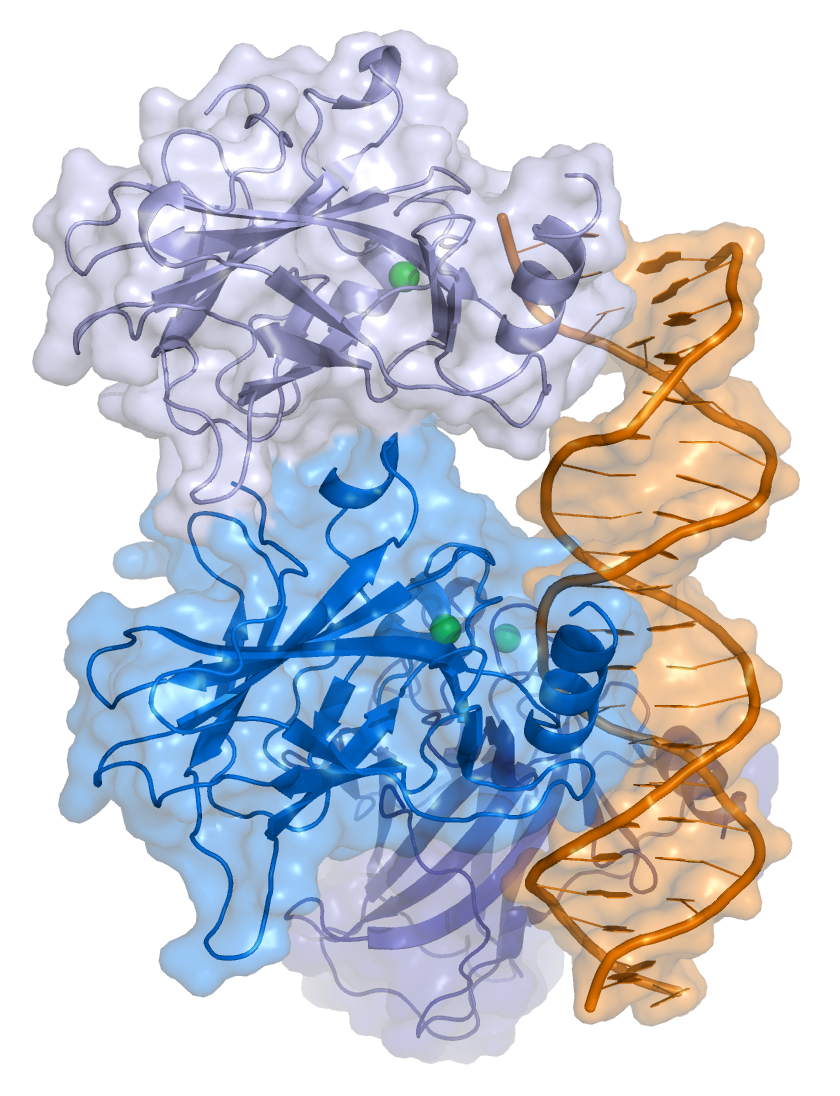
TP53, also known as tumor protein p53, is a regulatory transcription factor protein that plays a crucial role in preventing cancer formation in vertebrates. As the most frequently mutated gene in human cancer, TP53 has been described as 'the guardian of the genome' due to its role in conserving stability by preventing genome mutation. The TP53 gene encodes proteins that bind to DNA and regulate gene expression, with at least 12 protein isoforms identified. With over 50% of human cancers exhibiting TP53 mutations, understanding the function and regulation of this gene is essential for developing effective cancer therapies. Research has shown that TP53 mutations are associated with a range of cancers, including breast, lung, and colon cancer. The study of TP53 has also led to a greater understanding of the molecular mechanisms underlying cancer development and progression. For example, the National Cancer Institute has identified TP53 as a key target for cancer therapy, and researchers at Harvard University have developed new approaches to targeting TP53 in cancer treatment. Furthermore, the World Health Organization has recognized the importance of TP53 in cancer prevention and treatment, highlighting the need for continued research into this critical gene.
🎵 Origins & History
The TP53 gene was first identified in the 1970s by scientists at Johns Hopkins University and Stanford University. Since then, research has shown that TP53 plays a critical role in preventing cancer formation by regulating cell growth and division. For example, studies have demonstrated that TP53 mutations are associated with increased risk of cancer, and that restoring TP53 function can inhibit tumor growth. The American Cancer Society has recognized the importance of TP53 in cancer prevention and treatment, and has funded research into the development of new TP53-based therapies.
⚙️ How It Works
The TP53 protein works by binding to specific DNA sequences and regulating gene expression. This process helps to prevent mutations and maintain genome stability. In addition to its role in cancer prevention, TP53 has also been implicated in other cellular processes, including apoptosis and cell cycle regulation. Researchers at MIT have developed new approaches to studying TP53 function, including the use of CRISPR gene editing technology. Furthermore, the National Institutes of Health has established a research program focused on understanding the role of TP53 in human disease.
📊 Key Facts & Numbers
Key facts about TP53 include its high mutation frequency in human cancer, with over 50% of tumors exhibiting TP53 mutations. The TP53 gene encodes at least 12 protein isoforms, which have distinct functions and regulatory mechanisms. Research has shown that TP53 mutations are associated with poor prognosis and reduced survival rates in cancer patients. For example, a study published in the Journal of Clinical Oncology found that TP53 mutations were associated with increased risk of cancer recurrence. The Cancer Research Institute has recognized the importance of TP53 in cancer research and has established a research program focused on developing new TP53-based therapies.
👥 Key People & Organizations
Key people and organizations involved in TP53 research include David Lane, who first identified the TP53 gene, and the International Agency for Research on Cancer, which has classified TP53 as a tumor suppressor gene. Other notable researchers include Bert Vogelstein and Craig Venter, who have made significant contributions to our understanding of TP53 function and regulation. The American Association for Cancer Research has recognized the importance of TP53 in cancer research and has established a research program focused on developing new TP53-based therapies.
🌍 Cultural Impact & Influence
The cultural impact of TP53 is significant, with the gene being recognized as a critical player in cancer prevention and treatment. The World Cancer Research Fund has highlighted the importance of TP53 in reducing cancer risk, and the Union for International Cancer Control has established a program focused on promoting TP53 research and awareness. For example, the Stand Up To Cancer initiative has recognized the importance of TP53 in cancer research and has established a research program focused on developing new TP53-based therapies.
⚡ Current State & Latest Developments
Current research on TP53 is focused on developing new therapies that target the gene and its associated pathways. For example, researchers at UCSF are developing new approaches to targeting TP53 in cancer treatment, including the use of immunotherapy and gene therapy. The National Cancer Institute has established a research program focused on developing new TP53-based therapies, and the Cancer Research Institute has recognized the importance of TP53 in cancer research.
🤔 Controversies & Debates
Controversies and debates surrounding TP53 include the role of the gene in non-cancerous diseases, such as neurodegenerative disorders. Some researchers have suggested that TP53 may play a role in regulating cellular processes beyond cancer, while others have argued that its primary function is limited to tumor suppression. For example, a study published in the Journal of Neuroscience found that TP53 mutations were associated with increased risk of neurodegenerative disease. The National Institutes of Health has established a research program focused on understanding the role of TP53 in human disease.
🔮 Future Outlook & Predictions
The future outlook for TP53 research is promising, with new therapies and treatments being developed that target the gene and its associated pathways. For example, researchers at Harvard University are developing new approaches to targeting TP53 in cancer treatment, including the use of CRISPR gene editing technology. The Cancer Research Institute has recognized the importance of TP53 in cancer research and has established a research program focused on developing new TP53-based therapies.
💡 Practical Applications
Practical applications of TP53 research include the development of new cancer therapies and diagnostic tools. For example, researchers at Stanford University are developing new approaches to detecting TP53 mutations in cancer patients, which could lead to more effective treatment strategies. The American Cancer Society has recognized the importance of TP53 in cancer prevention and treatment, and has funded research into the development of new TP53-based therapies.
Key Facts
- Category
- chronic-conditions
- Type
- gene
Frequently Asked Questions
What is the function of the TP53 gene?
The TP53 gene encodes a protein that regulates cell growth and division, and is critical for preventing cancer formation. The protein works by binding to specific DNA sequences and regulating gene expression, which helps to prevent mutations and maintain genome stability. For example, researchers at Johns Hopkins University have shown that TP53 mutations are associated with increased risk of cancer. The National Cancer Institute has recognized the importance of TP53 in cancer prevention and treatment, and has funded research into the development of new TP53-based therapies.
What is the significance of TP53 in cancer research?
TP53 is the most frequently mutated gene in human cancer, with over 50% of tumors exhibiting TP53 mutations. The gene plays a critical role in preventing cancer formation, and its mutation is associated with poor prognosis and reduced survival rates in cancer patients. For example, a study published in the Journal of Clinical Oncology found that TP53 mutations were associated with increased risk of cancer recurrence. The Cancer Research Institute has recognized the importance of TP53 in cancer research and has established a research program focused on developing new TP53-based therapies.
How does TP53 regulate cell growth and division?
TP53 regulates cell growth and division by binding to specific DNA sequences and regulating gene expression. This process helps to prevent mutations and maintain genome stability, which is critical for preventing cancer formation. For example, researchers at MIT have developed new approaches to studying TP53 function, including the use of CRISPR gene editing technology. The National Institutes of Health has established a research program focused on understanding the role of TP53 in human disease.
What are the potential therapeutic applications of TP53 research?
The potential therapeutic applications of TP53 research include the development of new cancer therapies and diagnostic tools. For example, researchers at Stanford University are developing new approaches to detecting TP53 mutations in cancer patients, which could lead to more effective treatment strategies. The American Cancer Society has recognized the importance of TP53 in cancer prevention and treatment, and has funded research into the development of new TP53-based therapies.
How does TP53 interact with other genes and proteins?
TP53 interacts with other genes and proteins to regulate cell growth and division. For example, TP53 has been shown to interact with the RB1 and BRCA1 genes, which are also involved in tumor suppression. The National Cancer Institute has established a research program focused on understanding the role of TP53 in human disease, and has recognized the importance of TP53 in cancer research.
What are the current challenges and limitations in TP53 research?
The current challenges and limitations in TP53 research include the complexity of the gene and its associated pathways, as well as the need for more effective therapeutic strategies. For example, researchers at Harvard University are developing new approaches to targeting TP53 in cancer treatment, including the use of CRISPR gene editing technology. The Cancer Research Institute has recognized the importance of TP53 in cancer research and has established a research program focused on developing new TP53-based therapies.
How does TP53 relate to other diseases beyond cancer?
TP53 has been implicated in other diseases beyond cancer, including neurodegenerative disorders. For example, researchers at UCSF have shown that TP53 mutations are associated with increased risk of neurodegenerative disease. The National Institutes of Health has established a research program focused on understanding the role of TP53 in human disease, and has recognized the importance of TP53 in cancer research.
What are the potential future directions for TP53 research?
The potential future directions for TP53 research include the development of new therapeutic strategies and diagnostic tools, as well as a greater understanding of the gene's role in human disease. For example, researchers at MIT are developing new approaches to studying TP53 function, including the use of CRISPR gene editing technology. The National Cancer Institute has established a research program focused on understanding the role of TP53 in human disease, and has recognized the importance of TP53 in cancer research.