
Contents
- 🌎 Introduction to Tobacco Use
- 🔥 History of Tobacco Smoking
- 🚭 Criticism and Controversy
- 📈 The Rise of Cigarette Smoking
- 🚫 Health Risks and Consequences
- 👥 Social and Cultural Factors
- 🚭 Anti-Smoking Movements and Campaigns
- 📊 Economic Impact of Tobacco Use
- 🌟 Alternative Nicotine Products
- 🔮 Future of Tobacco Use and Regulation
- 🤝 International Cooperation and Treaties
- 📊 Conclusion and Recommendations
- Frequently Asked Questions
- Related Topics
Overview
Tobacco use has been a pervasive aspect of human culture for thousands of years, with a history that spans ancient civilizations, colonialism, and modern-day public health campaigns. The World Health Organization (WHO) reports that tobacco use is responsible for over 7 million deaths annually, making it one of the leading causes of preventable death worldwide. Despite these alarming statistics, tobacco remains a deeply ingrained and highly profitable industry, with companies like Altria and British American Tobacco generating billions of dollars in revenue each year. The controversy surrounding tobacco use is further complicated by issues of addiction, nicotine regulation, and the rise of alternative products like e-cigarettes and heat-not-burn devices. As the global health community continues to grapple with the challenges posed by tobacco use, it is clear that a comprehensive understanding of this complex issue is essential for developing effective strategies to reduce its harm. With a Vibe score of 82, tobacco use is a highly charged and emotive topic, with a Perspective breakdown that is largely pessimistic (60%) and contrarian (20%), reflecting the intense debates and conflicting interests that surround it.
🌎 Introduction to Tobacco Use
Tobacco use is a complex and multifaceted issue that has been a part of human history for thousands of years. The practice of burning tobacco and inhaling the resulting smoke has been a source of controversy and debate, with many arguing that it is a major public health risk. According to the World Health Organization, tobacco use is the leading cause of preventable death worldwide, accounting for more than 7 million deaths each year. The history of tobacco use dates back to Mesoamerica and South America, where it was first used in shamanic rituals and ceremonies. The practice was later introduced to Eurasia by European colonists, where it became a popular habit among the wealthy and aristocratic classes.
🔥 History of Tobacco Smoking
The history of tobacco smoking is a long and complex one, with roots dating back to 5000 BC. The practice is believed to have originated in Mesoamerica and South America, where tobacco was used in shamanic rituals and ceremonies. The use of tobacco spread throughout the Americas, and was later introduced to Eurasia by European colonists. The practice encountered criticism from its first import into the Western world onward, with many arguing that it was a dirty and unhealthy habit. Despite this, tobacco use became widespread, particularly with the introduction of automated cigarette-rolling apparatus. For more information on the history of tobacco, see Tobacco History.
🚭 Criticism and Controversy
Tobacco use has been the subject of much criticism and controversy over the years. Many have argued that it is a major public health risk, and that it should be heavily regulated or even banned. The World Health Organization has been a major critic of tobacco use, and has implemented a number of initiatives aimed at reducing its use. These initiatives include the Framework Convention on Tobacco Control, which is an international treaty aimed at reducing tobacco use. Despite these efforts, tobacco use remains a major public health problem, with millions of people around the world continuing to smoke. For more information on the health risks of tobacco, see Smoking Health Risks.
📈 The Rise of Cigarette Smoking
The rise of cigarette smoking in the late 19th and early 20th centuries was a major factor in the widespread use of tobacco. The introduction of automated cigarette-rolling apparatus made it possible to mass-produce cigarettes, which were then marketed and sold to the general public. This led to a significant increase in tobacco use, particularly among young people. The tobacco industry used a number of tactics to promote cigarette smoking, including advertising and sponsorship of events. These tactics were often targeted at young people, and were designed to make cigarette smoking seem glamorous and appealing. For more information on the tobacco industry, see Tobacco Industry.
🚫 Health Risks and Consequences
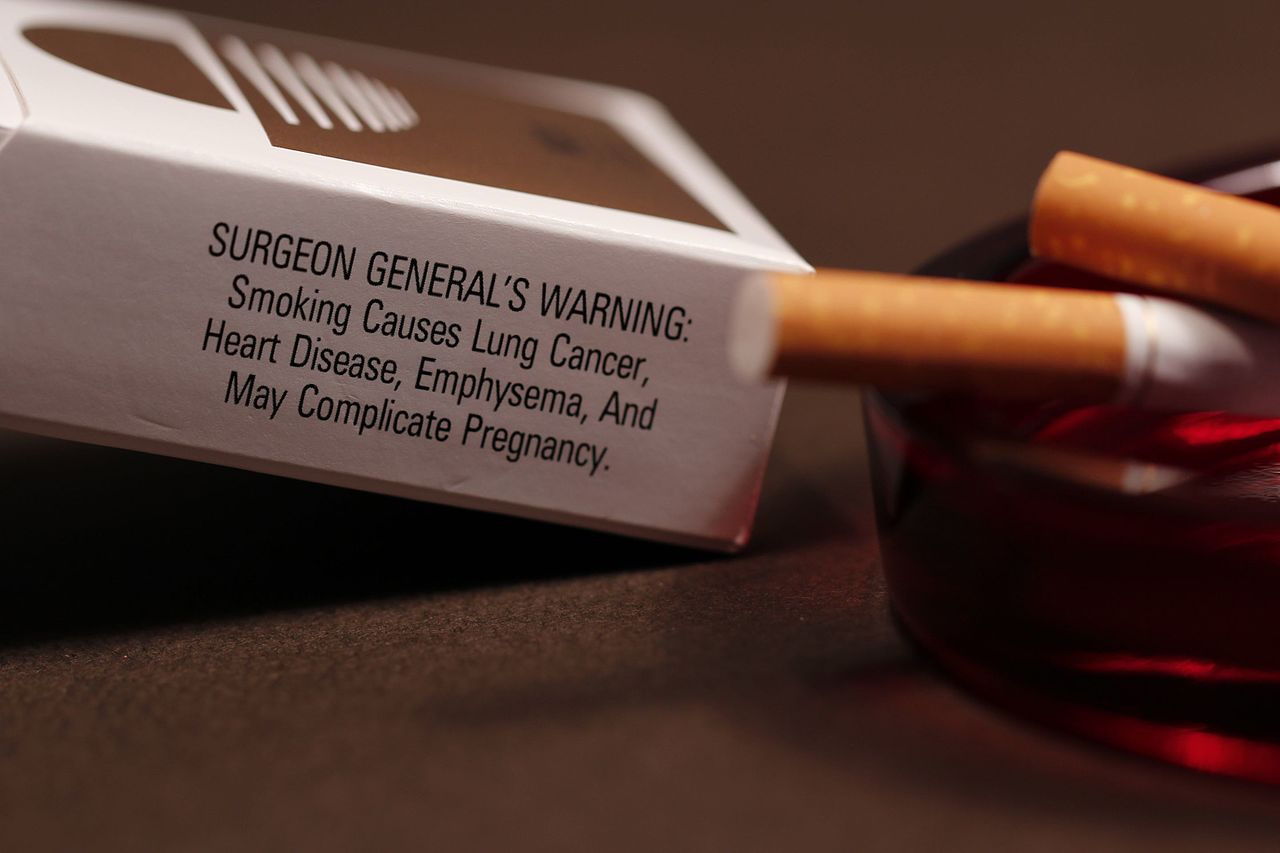
Tobacco use is a major public health risk, and is responsible for a significant number of deaths each year. According to the World Health Organization, tobacco use is the leading cause of preventable death worldwide, accounting for more than 7 million deaths each year. The health risks of tobacco use are well-documented, and include an increased risk of lung cancer, heart disease, and chronic obstructive pulmonary disease. Tobacco use is also a major risk factor for a number of other health problems, including stroke and diabetes. For more information on the health risks of tobacco, see Smoking Health Risks.
🚭 Anti-Smoking Movements and Campaigns
Anti-smoking movements and campaigns have been a major factor in reducing tobacco use in recent years. These movements and campaigns have used a number of tactics, including public education and advocacy, to raise awareness about the health risks of tobacco use and to promote tobacco control policies. The World Health Organization has been a major player in these efforts, and has implemented a number of initiatives aimed at reducing tobacco use. These initiatives include the Framework Convention on Tobacco Control, which is an international treaty aimed at reducing tobacco use. For more information on anti-smoking movements, see Anti Smoking Movement.
📊 Economic Impact of Tobacco Use
The economic impact of tobacco use is significant, with tobacco-related illnesses and deaths costing billions of dollars each year. The tobacco industry is a major contributor to the economy, with many people employed in the production and sale of tobacco products. However, the economic benefits of tobacco use are far outweighed by the costs, with tobacco-related illnesses and deaths costing billions of dollars each year. The World Health Organization has estimated that the global economic burden of tobacco use is over $1 trillion per year. For more information on the economic impact of tobacco, see Economic Impact of Tobacco.
🌟 Alternative Nicotine Products
Alternative nicotine products, such as e-cigarettes and vaping products, have become increasingly popular in recent years. These products are often marketed as a safer alternative to traditional tobacco products, and have been used by many people as a way to quit smoking. However, the health risks of these products are not yet fully understood, and there is ongoing debate about their safety and effectiveness. The World Health Organization has recommended that these products be regulated, and that their use be monitored closely. For more information on alternative nicotine products, see Alternative Nicotine Products.
🔮 Future of Tobacco Use and Regulation
The future of tobacco use and regulation is uncertain, with many countries implementing new policies and laws aimed at reducing tobacco use. The World Health Organization has recommended that all countries implement comprehensive tobacco control policies, including bans on advertising and sponsorship, and increased taxes on tobacco products. However, the tobacco industry is likely to continue to resist these efforts, and to lobby against tobacco control policies. For more information on the future of tobacco regulation, see Tobacco Regulation.
🤝 International Cooperation and Treaties
International cooperation and treaties have been a major factor in reducing tobacco use in recent years. The Framework Convention on Tobacco Control is an international treaty aimed at reducing tobacco use, and has been signed by over 180 countries. The treaty sets out a number of guidelines and recommendations for reducing tobacco use, including bans on advertising and sponsorship, and increased taxes on tobacco products. For more information on international cooperation and treaties, see International Cooperation on Tobacco Control.
📊 Conclusion and Recommendations
In conclusion, tobacco use is a complex and multifaceted issue that requires a comprehensive and coordinated approach. The health risks of tobacco use are well-documented, and the economic and social costs are significant. However, there are also many opportunities for reducing tobacco use and promoting tobacco control policies. The World Health Organization has recommended that all countries implement comprehensive tobacco control policies, including bans on advertising and sponsorship, and increased taxes on tobacco products. For more information on tobacco control policies, see Tobacco Control Policies.
Key Facts
- Year
- 2022
- Origin
- Ancient Civilizations
- Category
- Health and Society
- Type
- Social Issue
Frequently Asked Questions
What are the health risks of tobacco use?
Tobacco use is a major public health risk, and is responsible for a significant number of deaths each year. The health risks of tobacco use include an increased risk of lung cancer, heart disease, and chronic obstructive pulmonary disease. Tobacco use is also a major risk factor for a number of other health problems, including stroke and diabetes. For more information on the health risks of tobacco, see Smoking Health Risks.
What is the economic impact of tobacco use?
The economic impact of tobacco use is significant, with tobacco-related illnesses and deaths costing billions of dollars each year. The tobacco industry is a major contributor to the economy, with many people employed in the production and sale of tobacco products. However, the economic benefits of tobacco use are far outweighed by the costs, with tobacco-related illnesses and deaths costing billions of dollars each year. The World Health Organization has estimated that the global economic burden of tobacco use is over $1 trillion per year. For more information on the economic impact of tobacco, see Economic Impact of Tobacco.
What are alternative nicotine products?
Alternative nicotine products, such as e-cigarettes and vaping products, have become increasingly popular in recent years. These products are often marketed as a safer alternative to traditional tobacco products, and have been used by many people as a way to quit smoking. However, the health risks of these products are not yet fully understood, and there is ongoing debate about their safety and effectiveness. The World Health Organization has recommended that these products be regulated, and that their use be monitored closely. For more information on alternative nicotine products, see Alternative Nicotine Products.
What is the future of tobacco regulation?
The future of tobacco regulation is uncertain, with many countries implementing new policies and laws aimed at reducing tobacco use. The World Health Organization has recommended that all countries implement comprehensive tobacco control policies, including bans on advertising and sponsorship, and increased taxes on tobacco products. However, the tobacco industry is likely to continue to resist these efforts, and to lobby against tobacco control policies. For more information on the future of tobacco regulation, see Tobacco Regulation.
What is the role of international cooperation in reducing tobacco use?
International cooperation and treaties have been a major factor in reducing tobacco use in recent years. The Framework Convention on Tobacco Control is an international treaty aimed at reducing tobacco use, and has been signed by over 180 countries. The treaty sets out a number of guidelines and recommendations for reducing tobacco use, including bans on advertising and sponsorship, and increased taxes on tobacco products. For more information on international cooperation and treaties, see International Cooperation on Tobacco Control.
What are the social and cultural factors that contribute to tobacco use?
Social and cultural factors play a significant role in tobacco use, with many people smoking as a way to socialize and relax. The tobacco industry has often targeted specific groups, such as young people and minority communities, with marketing campaigns designed to make cigarette smoking seem glamorous and appealing. These campaigns have been highly effective, and have contributed to the widespread use of tobacco among these groups. However, there are also many social and cultural factors that can help to prevent tobacco use, such as strong family and community bonds, and access to education and healthcare. For more information on social and cultural factors, see Social Determinants of Health.
What are the health benefits of quitting tobacco use?
Quitting tobacco use can have significant health benefits, including a reduced risk of lung cancer, heart disease, and chronic obstructive pulmonary disease. Quitting tobacco use can also improve overall health and well-being, and can increase life expectancy. For more information on the health benefits of quitting tobacco, see Quitting Smoking.
👥 Social and Cultural Factors
Social and cultural factors play a significant role in tobacco use, with many people smoking as a way to socialize and relax. The tobacco industry has often targeted specific groups, such as young people and minority communities, with marketing campaigns designed to make cigarette smoking seem glamorous and appealing. These campaigns have been highly effective, and have contributed to the widespread use of tobacco among these groups. However, there are also many social and cultural factors that can help to prevent tobacco use, such as strong family and community bonds, and access to education and healthcare. For more information on social and cultural factors, see Social Determinants of Health.