
Contents
- 🎵 Origins & History
- ⚙️ How It Works
- 📊 Key Facts & Numbers
- 👥 Key People & Organizations
- 🌍 Cultural Impact & Influence
- ⚡ Current State & Latest Developments
- 🤔 Controversies & Debates
- 🔮 Future Outlook & Predictions
- 💡 Practical Applications
- 📚 Related Topics & Deeper Reading
- Frequently Asked Questions
- References
- Related Topics
Overview
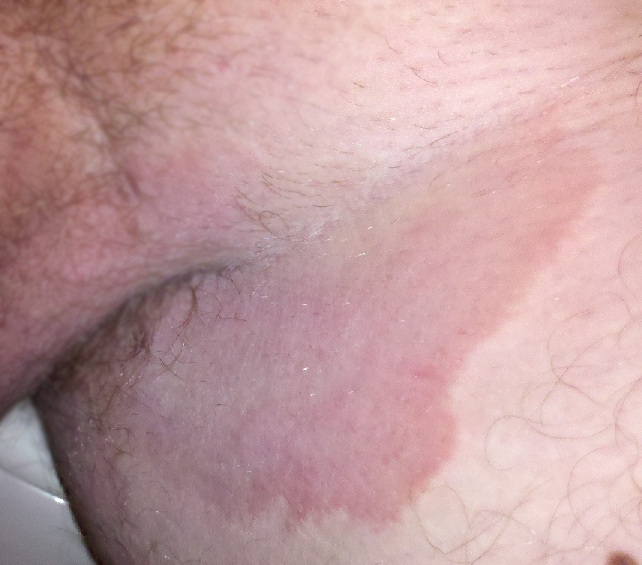
Tinea cruris, commonly known as jock itch, is a contagious fungal infection affecting the groin and buttocks region, predominantly in men and hot-humid climates. Characterized by an intensely itchy red rash with a scaly border, it's often associated with athlete's foot, excessive sweating, and poor hygiene. With a prevalence of 10-20% in adult men, tinea cruris can be effectively treated with topical antifungal medications, especially when symptoms are recent. Prevention measures include treating concurrent fungal infections, keeping the groin region dry, and avoiding sharing of infected items. According to the Centers for Disease Control and Prevention (CDC), fungal infections like tinea cruris can be prevented by practicing good hygiene and using antifungal powders or sprays. The World Health Organization (WHO) also recommends avoiding sharing of personal items and keeping the affected area clean and dry. With proper treatment and prevention, individuals can reduce the risk of developing tinea cruris and alleviate its uncomfortable symptoms.
🎵 Origins & History
Tinea cruris has been a persistent issue throughout history, with ancient civilizations such as the Egyptians and Greeks documenting similar conditions. The term 'tinea' is derived from the Latin word for 'worm,' as the infection was once believed to be caused by a parasitic worm. However, with the discovery of fungi in the 19th century, the true cause of tinea cruris was finally understood. Today, we know that tinea cruris is caused by a group of fungi known as dermatophytes, which thrive in warm, moist environments. CDC and WHO have extensively researched and documented the causes and treatments of tinea cruris.
⚙️ How It Works
The infection process of tinea cruris involves the dermatophyte fungi infecting the skin, typically in the groin and buttocks region. The fungi feed on keratin, a protein found in skin cells, and cause an immune response, leading to the characteristic itchy rash. The infection can spread through direct contact with an infected person, contaminated items, or by touching infected animals. Mayo Clinic and National Institutes of Health have conducted extensive research on the infection process and treatment options for tinea cruris.
📊 Key Facts & Numbers
Tinea cruris affects approximately 10-20% of adult men, with a higher prevalence in hot-humid climates. The infection is more common in individuals who engage in sports, particularly those that involve skin-to-skin contact, such as wrestling. According to a study published in the Journal of the American Medical Association, the prevalence of tinea cruris is higher in individuals with a family history of the infection. American Academy of Dermatology provides valuable resources and guidance for the diagnosis and treatment of tinea cruris.
👥 Key People & Organizations
Key people and organizations involved in the research and treatment of tinea cruris include dermatologists, infectious disease specialists, and public health officials. The CDC and WHO play a crucial role in providing guidelines and recommendations for the prevention and treatment of tinea cruris. Pfizer and Johnson & Johnson are among the pharmaceutical companies that have developed antifungal medications for the treatment of tinea cruris.
🌍 Cultural Impact & Influence
Tinea cruris has a significant cultural impact, particularly in sports and athletic communities. The infection can be a source of embarrassment and stigma, leading to social and emotional distress. However, with increased awareness and education, individuals can take steps to prevent and treat the infection, reducing its impact on daily life. National Football League and National Basketball Association have implemented measures to prevent the spread of tinea cruris among athletes.
⚡ Current State & Latest Developments
Currently, tinea cruris remains a common issue, particularly in warm and humid climates. Recent developments in antifungal medications and treatments have improved the effectiveness of treatment, and public health campaigns have increased awareness and education about the infection. Google and WebMD provide valuable online resources for individuals seeking information on tinea cruris.
🤔 Controversies & Debates
Controversies surrounding tinea cruris include debates about the most effective treatment options and the role of antibiotics in treatment. Some experts argue that antibiotics are overprescribed for tinea cruris, leading to antibiotic resistance and other complications. Others argue that antifungal medications are not always effective, and alternative treatments, such as tea tree oil, may be beneficial. Harvard Medical School and Stanford University have conducted research on the effectiveness of different treatment options for tinea cruris.
🔮 Future Outlook & Predictions
The future outlook for tinea cruris is promising, with ongoing research and development of new antifungal medications and treatments. Public health campaigns and education initiatives are also expected to increase awareness and prevention of the infection. University of California and Massachusetts Institute of Technology are among the institutions conducting research on the prevention and treatment of tinea cruris.
💡 Practical Applications
Practical applications for the prevention and treatment of tinea cruris include keeping the groin region dry, avoiding sharing of personal items, and using antifungal powders or sprays. Individuals can also take steps to prevent the spread of the infection by washing their hands regularly and avoiding close contact with infected individuals. CVS Pharmacy and Walgreens offer a range of antifungal products for the treatment of tinea cruris.
Key Facts
- Year
- 2022
- Origin
- Ancient civilizations
- Category
- chronic-conditions
- Type
- medical-condition
Frequently Asked Questions
What is tinea cruris?
Tinea cruris, also known as jock itch, is a contagious fungal infection that affects the groin and buttocks region. It is characterized by an intensely itchy red rash with a scaly border. According to the CDC, tinea cruris is a common type of fungal infection that can be treated with antifungal medications.
How is tinea cruris treated?
Treatment for tinea cruris typically involves antifungal medications, such as creams or powders, applied directly to the affected area. In some cases, oral antifungal medications may be prescribed. It is essential to complete the full course of treatment to ensure the infection is fully cleared. Mayo Clinic recommends using antifungal medications for 2-4 weeks to treat tinea cruris.
Can tinea cruris be prevented?
Yes, tinea cruris can be prevented by taking steps to keep the groin region dry, avoiding sharing of personal items, and using antifungal powders or sprays. Individuals can also reduce their risk of developing tinea cruris by practicing good hygiene and avoiding close contact with infected individuals. WHO recommends washing hands regularly and avoiding sharing of personal items to prevent the spread of tinea cruris.
Is tinea cruris contagious?
Yes, tinea cruris is contagious and can be spread through direct contact with an infected person, contaminated items, or by touching infected animals. It is essential to take steps to prevent the spread of the infection, such as washing hands regularly and avoiding close contact with infected individuals. CDC provides guidelines for the prevention and treatment of tinea cruris.
What are the symptoms of tinea cruris?
The symptoms of tinea cruris include an intensely itchy red rash with a scaly border, typically in the groin and buttocks region. The rash may be accompanied by a strong odor and can be painful. In some cases, the infection can spread to other areas of the body, such as the feet or hands. Healthline provides comprehensive information on the symptoms and treatment of tinea cruris.
How long does it take to recover from tinea cruris?
The recovery time for tinea cruris varies depending on the severity of the infection and the effectiveness of treatment. In most cases, symptoms improve within 1-2 weeks of treatment, and the infection is fully cleared within 2-4 weeks. It is essential to complete the full course of treatment to ensure the infection is fully cleared. MedlinePlus recommends completing the full course of treatment to prevent the recurrence of tinea cruris.
Can tinea cruris be treated with home remedies?
While some home remedies, such as tea tree oil, may provide relief from symptoms, they are not a substitute for medical treatment. Antifungal medications are the most effective treatment for tinea cruris, and it is essential to consult a healthcare professional for proper diagnosis and treatment. WebMD provides information on home remedies and alternative treatments for tinea cruris.