
Contents
- 📚 Introduction to Moral Development
- 👥 Lawrence Kohlberg's Stages of Moral Development
- 📊 Jean Piaget's Influence on Moral Development Theory
- 🤝 The Role of Social Interaction in Moral Development
- 📈 Criticisms and Controversies Surrounding Kohlberg's Theory
- 📊 Carol Gilligan's Alternative Perspective on Moral Development
- 🌎 Cultural and Societal Influences on Moral Development
- 📝 Applications of Moral Development Theory in Real-World Scenarios
- 👥 Implications of Moral Development Theory for Education and Personal Growth
- 🤔 Future Directions for Moral Development Research
- Frequently Asked Questions
- Related Topics
Overview
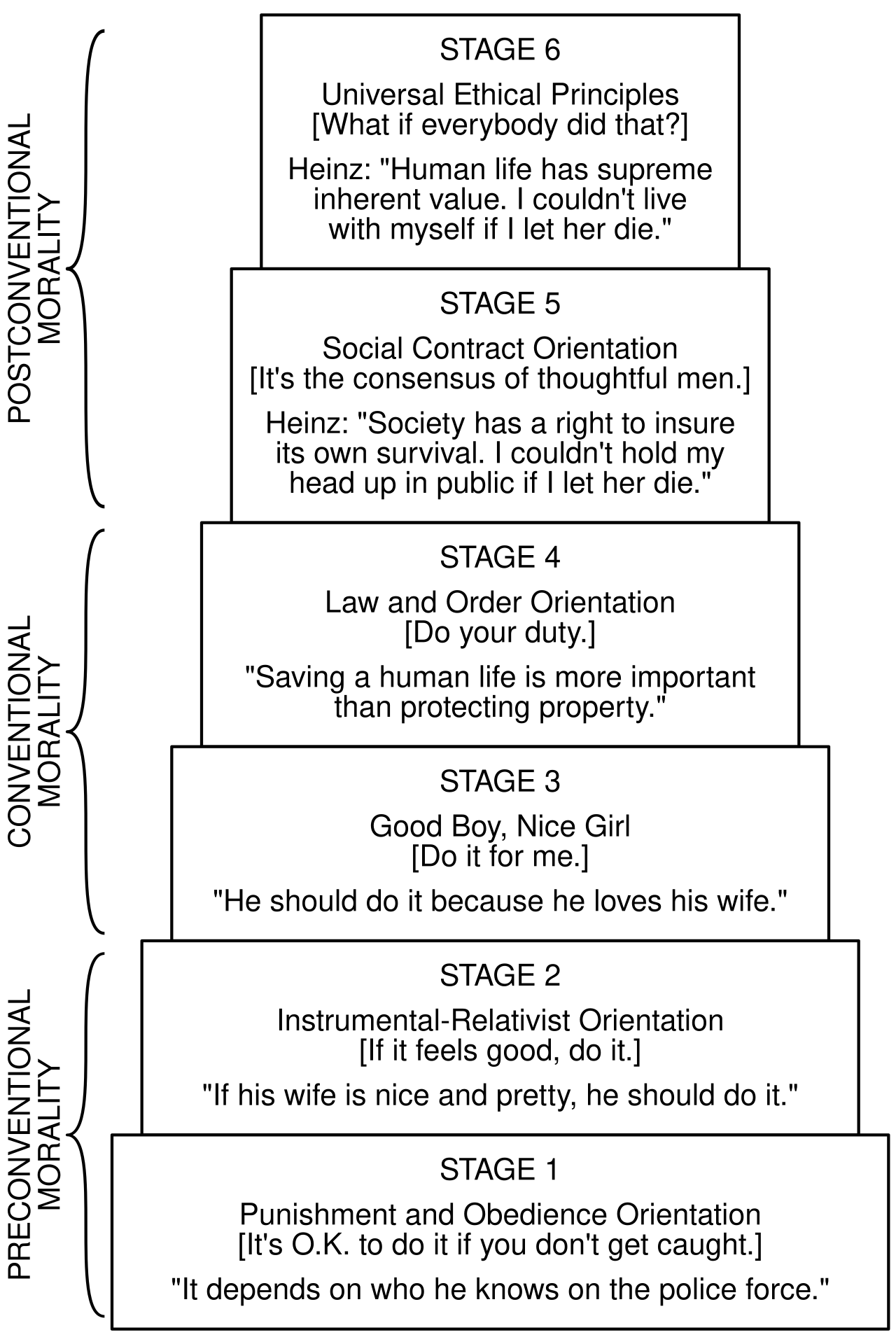
The theory of moral development, pioneered by Lawrence Kohlberg, proposes that individuals progress through six stages of moral reasoning, from obedience and punishment to social contract and universal principles. This framework has been influential in understanding how people develop moral values and principles. However, critics argue that the theory is too narrow, neglecting the role of emotions, culture, and context in shaping moral judgments. Notably, Carol Gilligan's work on the ethics of care has challenged Kohlberg's model, highlighting the importance of empathy and relationships in moral decision-making. With a vibe rating of 8, the theory of moral development remains a widely debated and relevant topic, with applications in fields such as education, psychology, and philosophy. As researchers continue to refine and expand our understanding of moral development, the conversation is likely to shift towards more nuanced and contextualized approaches. For instance, what are the implications of moral development theory for real-world issues like social justice and environmental ethics?
📚 Introduction to Moral Development
The theory of moral development is a psychological concept that explores how individuals develop a sense of right and wrong. This topic has been studied by various psychologists, including Lawrence Kohlberg and Jean Piaget. Kohlberg's work on moral development began in 1958 as a psychology graduate student at the University of Chicago, where he expanded upon Piaget's original theory. The theory of moral development is essential in understanding human behavior and decision-making, as it provides insights into the cognitive and social processes that shape our moral values. For instance, Moral Reasoning is a critical aspect of moral development, as it enables individuals to evaluate complex situations and make informed decisions. Moreover, Social Learning Theory also plays a significant role in shaping our moral values, as we learn from observing others and interacting with our environment.
👥 Lawrence Kohlberg's Stages of Moral Development
Lawrence Kohlberg's stages of moral development are a widely recognized theory in the field of psychology. Kohlberg's theory proposes that individuals progress through six stages of moral development, each representing a distinct level of moral reasoning. The stages range from a focus on obedience and punishment to a focus on social contract and individual rights. Kohlberg's theory was influenced by Jean Piaget's work on cognitive development, which emphasizes the role of social interaction and experience in shaping our moral values. Furthermore, Kohlberg's Stages of moral development have been applied in various contexts, including education and psychology, to understand and promote moral growth. Additionally, Moral Education is an essential aspect of moral development, as it provides individuals with the knowledge and skills necessary to make informed moral decisions.
📊 Jean Piaget's Influence on Moral Development Theory
Jean Piaget's work on cognitive development laid the foundation for Lawrence Kohlberg's theory of moral development. Piaget's theory proposes that children progress through four stages of cognitive development, each representing a distinct level of thinking and problem-solving. Piaget's work emphasized the role of social interaction and experience in shaping our moral values, which is also a central aspect of Kohlberg's theory. The influence of Piaget's Theory on Kohlberg's work is evident in the emphasis on social interaction and the progression through distinct stages of moral development. Moreover, Cognitive Development is a critical aspect of moral development, as it enables individuals to evaluate complex situations and make informed decisions. For example, Social Cognitive Theory also highlights the importance of social interaction in shaping our moral values.
📈 Criticisms and Controversies Surrounding Kohlberg's Theory
Despite its widespread recognition, Kohlberg's theory of moral development has faced various criticisms and controversies. Some critics argue that the theory is too narrow, as it focuses primarily on individual moral development and neglects the role of cultural and societal factors. Others argue that the theory is too rigid, as it proposes a fixed sequence of stages that may not be applicable to all individuals. For example, Carol Gilligan has proposed an alternative perspective on moral development, which emphasizes the importance of care and empathy in moral decision-making. Furthermore, Critique of Kohlberg's Theory highlights the limitations and potential biases of the theory, which is essential in understanding the complexities of moral development. Additionally, Moral Dilemmas are a critical aspect of moral development, as they provide individuals with opportunities to evaluate complex situations and make informed decisions.
📊 Carol Gilligan's Alternative Perspective on Moral Development
Carol Gilligan's alternative perspective on moral development proposes that moral decision-making is not solely based on rational reasoning, but also on care and empathy. Gilligan's theory argues that individuals, particularly women, are more likely to prioritize care and empathy in their moral decision-making, which challenges Kohlberg's emphasis on individual rights and social contract. The implications of Gilligan's Theory are significant, as they highlight the importance of considering multiple perspectives and values in moral development. Moreover, Feminist Perspectives on Moral Development also emphasize the importance of care and empathy in moral decision-making, which is essential in understanding the complexities of moral development. For instance, Moral Compass is a critical aspect of moral development, as it enables individuals to evaluate complex situations and make informed decisions.
🌎 Cultural and Societal Influences on Moral Development
Cultural and societal factors play a significant role in shaping our moral values, as individuals are influenced by the norms and values of their environment. The theory of moral development must consider the impact of cultural and societal factors on individual moral development, as they can shape our moral values and decision-making processes. For example, Cultural Relativism proposes that moral values are relative to the cultural context, which challenges the idea of a universal moral framework. Additionally, Societal Influences on Moral Development highlight the importance of considering the broader social context in understanding moral development. Moreover, Moral Pluralism is a critical aspect of moral development, as it recognizes the diversity of moral values and perspectives within a given society.
📝 Applications of Moral Development Theory in Real-World Scenarios
The theory of moral development has various applications in real-world scenarios, including education, psychology, and business. For instance, Moral Education programs can be designed to promote moral growth and development in individuals, while Moral Leadership can be applied in business and organizational settings to promote ethical decision-making. Moreover, Moral Development in Children is a critical aspect of moral development, as it provides a foundation for future moral growth and development. Additionally, Moral Development in Adults is also essential, as it enables individuals to continue developing their moral values and decision-making skills throughout their lives.
👥 Implications of Moral Development Theory for Education and Personal Growth
The implications of moral development theory for education and personal growth are significant, as it provides a framework for understanding and promoting moral growth and development. Educators can use the theory to design Moral Education programs that promote moral reasoning and development, while individuals can apply the theory to their personal lives to make informed moral decisions. Furthermore, Personal Growth is a critical aspect of moral development, as it enables individuals to develop their moral values and decision-making skills throughout their lives. For example, Self Reflection is an essential aspect of moral development, as it enables individuals to evaluate their moral values and decision-making processes. Moreover, Morality and Self is also a critical aspect of moral development, as it recognizes the importance of considering one's own moral values and principles in decision-making.
🤔 Future Directions for Moral Development Research
Future research on moral development should consider the complexities and nuances of moral decision-making, including the role of cultural and societal factors. Additionally, researchers should explore the applications of moral development theory in various contexts, including education, psychology, and business. For instance, Moral Artificial Intelligence is a critical aspect of moral development, as it raises questions about the potential impact of artificial intelligence on human moral values and decision-making. Moreover, Moral Robotics is also essential, as it recognizes the importance of considering moral values and principles in the development of autonomous systems. Furthermore, Future of Moral Development is a critical aspect of moral development, as it enables individuals to consider the potential implications of emerging technologies on human moral values and decision-making.
Key Facts
- Year
- 1958
- Origin
- Lawrence Kohlberg's doctoral dissertation
- Category
- Psychology
- Type
- Psychological Theory
Frequently Asked Questions
What is the theory of moral development?
The theory of moral development is a psychological concept that explores how individuals develop a sense of right and wrong. It is based on the idea that moral development is a progressive process, with individuals advancing through distinct stages of moral reasoning. The theory was developed by Lawrence Kohlberg, who proposed that individuals progress through six stages of moral development, each representing a distinct level of moral reasoning. For example, Moral Reasoning is a critical aspect of moral development, as it enables individuals to evaluate complex situations and make informed decisions. Moreover, Social Learning Theory also plays a significant role in shaping our moral values, as we learn from observing others and interacting with our environment.
Who is Lawrence Kohlberg?
Lawrence Kohlberg was an American psychologist who developed the theory of moral development. He began work on this topic as a psychology graduate student at the University of Chicago in 1958 and expanded upon the theory throughout his life. Kohlberg's work was influenced by Jean Piaget's theory of cognitive development, which emphasizes the role of social interaction and experience in shaping our moral values. For instance, Kohlberg's Stages of moral development have been applied in various contexts, including education and psychology, to understand and promote moral growth. Additionally, Moral Education is an essential aspect of moral development, as it provides individuals with the knowledge and skills necessary to make informed moral decisions.
What are the stages of moral development?
The stages of moral development, as proposed by Lawrence Kohlberg, are six distinct levels of moral reasoning. The stages range from a focus on obedience and punishment to a focus on social contract and individual rights. The stages are: (1) Obedience and Punishment Orientation, (2) Individualism and Exchange, (3) Good Interpersonal Relationships, (4) Maintaining the Social Order, (5) Social Contract and Individual Rights, and (6) Universal Principles. For example, Moral Reasoning is a critical aspect of moral development, as it enables individuals to evaluate complex situations and make informed decisions. Moreover, Social Cognitive Theory also highlights the importance of social interaction in shaping our moral values.
What is the role of social interaction in moral development?
Social interaction plays a crucial role in the development of moral values, as individuals learn from observing others and interacting with their environment. The theory of moral development emphasizes the importance of social interaction in shaping our moral values, as it provides opportunities for individuals to learn from others and develop their moral reasoning skills. For instance, Social Learning Theory proposes that individuals learn new behaviors and attitudes by observing others, which is also a central aspect of moral development. Additionally, Moral Socialization is an essential aspect of moral development, as it enables individuals to develop a sense of right and wrong.
What are the implications of moral development theory for education and personal growth?
The implications of moral development theory for education and personal growth are significant, as it provides a framework for understanding and promoting moral growth and development. Educators can use the theory to design Moral Education programs that promote moral reasoning and development, while individuals can apply the theory to their personal lives to make informed moral decisions. Furthermore, Personal Growth is a critical aspect of moral development, as it enables individuals to develop their moral values and decision-making skills throughout their lives. For example, Self Reflection is an essential aspect of moral development, as it enables individuals to evaluate their moral values and decision-making processes.
What are the limitations of Kohlberg's theory of moral development?
Despite its widespread recognition, Kohlberg's theory of moral development has faced various criticisms and controversies. Some critics argue that the theory is too narrow, as it focuses primarily on individual moral development and neglects the role of cultural and societal factors. Others argue that the theory is too rigid, as it proposes a fixed sequence of stages that may not be applicable to all individuals. For instance, Critique of Kohlberg's Theory highlights the limitations and potential biases of the theory, which is essential in understanding the complexities of moral development. Additionally, Moral Dilemmas are a critical aspect of moral development, as they provide individuals with opportunities to evaluate complex situations and make informed decisions.
What is Carol Gilligan's alternative perspective on moral development?
Carol Gilligan's alternative perspective on moral development proposes that moral decision-making is not solely based on rational reasoning, but also on care and empathy. Gilligan's theory argues that individuals, particularly women, are more likely to prioritize care and empathy in their moral decision-making, which challenges Kohlberg's emphasis on individual rights and social contract. For example, Gilligan's Theory highlights the importance of considering multiple perspectives and values in moral development. Moreover, Feminist Perspectives on Moral Development also emphasize the importance of care and empathy in moral decision-making, which is essential in understanding the complexities of moral development.