
Contents
- 🌟 Introduction to Gut Health
- 🍴 The Impact of Diet on Digestive Disorders
- 🥗 The Role of Nutrition in Managing Gut Health
- 🧬 The Gut Microbiome: A Key Player in Digestive Health
- 🌿 The Benefits of Fiber in Nourishing the Gut
- 🥛 The Importance of Probiotics in Gut Health
- 🍎 The Impact of Food Sensitivities on Digestive Disorders
- 💊 The Role of Supplements in Managing Digestive Health
- 👥 The Connection Between Gut Health and Mental Wellbeing
- 📊 The Future of Gut Health: Emerging Trends and Research
- 👍 Conclusion: Taking Control of Your Gut Health
- Frequently Asked Questions
- Related Topics
Overview
The role of diet and nutrition in managing digestive disorders is a complex and multifaceted field of study, with research suggesting that specific dietary interventions can significantly impact the severity and frequency of symptoms in conditions such as irritable bowel syndrome (IBS), inflammatory bowel disease (IBD), and gastroesophageal reflux disease (GERD). According to a study published in the Journal of the Academy of Nutrition and Dietetics, a low FODMAP diet can reduce symptoms in up to 70% of patients with IBS. Moreover, the gut microbiome plays a critical role in digestive health, with an imbalance of gut bacteria, also known as dysbiosis, contributing to the development and progression of digestive disorders. The influence of food on the gut microbiome is a key area of research, with certain foods and nutrients, such as fiber, polyphenols, and omega-3 fatty acids, demonstrating prebiotic and anti-inflammatory effects. As our understanding of the intricate relationships between diet, nutrition, and digestive health continues to evolve, it is essential to consider the perspectives of various stakeholders, including patients, healthcare providers, and researchers, to develop effective and personalized dietary interventions for managing digestive disorders. With a vibe score of 8, indicating a high level of cultural energy and relevance, the topic of diet and nutrition in managing digestive disorders is a pressing concern for many individuals, with 1 in 5 people in the US experiencing digestive symptoms, according to the National Institute of Diabetes and Digestive and Kidney Diseases. The controversy surrounding the role of diet in managing digestive disorders is reflected in the debate over the effectiveness of specific dietary interventions, such as the low FODMAP diet, with some studies suggesting that it may not be effective for all patients, highlighting the need for further research and personalized approaches.
🌟 Introduction to Gut Health
The gut, also known as the gastrointestinal tract, plays a crucial role in our overall health and wellbeing. A healthy gut is essential for proper digestion, absorption of nutrients, and the prevention of digestive disorders. Research has shown that diet and nutrition play a significant role in managing digestive disorders, such as Irritable Bowel Syndrome (IBS) and Inflammatory Bowel Disease (IBD). A well-balanced diet that includes a variety of fruits, vegetables, whole grains, and lean proteins can help to nourish the gut and prevent digestive problems. Additionally, staying hydrated by drinking plenty of water and limiting processed foods and added sugars can also help to support gut health. For more information on gut health, visit the Gut Health page. Furthermore, understanding the Human Microbiome and its role in our overall health is essential for maintaining a healthy gut.
🍴 The Impact of Diet on Digestive Disorders
Diet has a significant impact on digestive disorders, and making informed food choices can help to manage symptoms. A diet that is high in processed foods, added sugars, and saturated fats can exacerbate digestive problems, while a diet that is rich in fruits, vegetables, and whole grains can help to alleviate symptoms. For example, a study published in the Journal of Nutrition found that a diet high in fiber can help to reduce symptoms of Constipation. Additionally, avoiding trigger foods such as gluten, dairy, and spicy foods can also help to manage digestive disorders. It's also important to note that everyone's digestive system is different, and what works for one person may not work for another. Therefore, it's essential to work with a healthcare professional to develop a personalized diet plan that meets your individual needs. For more information on digestive disorders, visit the Digestive Disorders page. You can also learn more about Food Allergies and their impact on gut health.
🥗 The Role of Nutrition in Managing Gut Health
Nutrition plays a critical role in managing gut health, and a well-balanced diet that includes a variety of essential nutrients can help to support digestive health. Key nutrients that are important for gut health include fiber, protein, and healthy fats. Fiber, in particular, is essential for promoting the growth of beneficial gut bacteria and preventing constipation. Foods that are high in fiber include fruits, vegetables, whole grains, and legumes. Protein is also important for gut health, as it helps to repair and maintain the lining of the gut. Healthy fats, such as omega-3 fatty acids, can also help to reduce inflammation and promote healing in the gut. For more information on nutrition and gut health, visit the Nutrition page. You can also learn more about Gut-Friendly Foods and their benefits for gut health. Additionally, understanding the Gut-Brain Axis and its role in our overall health is essential for maintaining a healthy gut.
🧬 The Gut Microbiome: A Key Player in Digestive Health
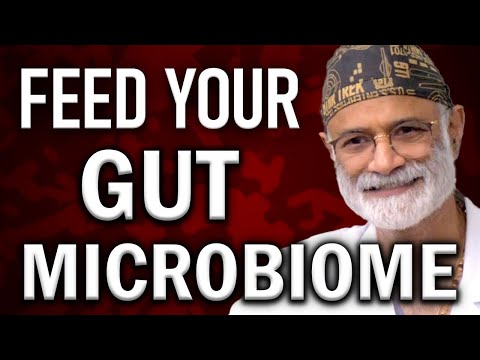
The gut microbiome is a complex ecosystem of microorganisms that live in the gut and play a crucial role in our overall health and wellbeing. The gut microbiome is responsible for a range of functions, including digestion, immune system function, and the production of certain vitamins. An imbalance of the gut microbiome, also known as dysbiosis, has been linked to a range of digestive disorders, including IBS and IBD. Factors that can disrupt the balance of the gut microbiome include antibiotics, stress, and a diet that is high in processed foods and added sugars. To support the health of the gut microbiome, it's essential to eat a diet that is rich in fiber and other essential nutrients, and to avoid foods that can disrupt the balance of the gut microbiome. For more information on the gut microbiome, visit the Gut Microbiome page. You can also learn more about Probiotics and their benefits for gut health.
🌿 The Benefits of Fiber in Nourishing the Gut
Fiber is a type of carbohydrate that is not fully digested in the small intestine and is instead fermented by bacteria in the large intestine. This process of fermentation produces short-chain fatty acids, which provide energy to the cells of the colon and help to promote the growth of beneficial gut bacteria. A high-fiber diet has been shown to have a range of benefits for gut health, including reducing symptoms of constipation and diverticulitis. Foods that are high in fiber include fruits, vegetables, whole grains, and legumes. The daily recommended intake of fiber is 25-30 grams per day, although many people do not meet this recommendation. Increasing fiber intake can be achieved by eating more whole foods and limiting processed foods. For more information on fiber and gut health, visit the Fiber page. You can also learn more about Prebiotics and their benefits for gut health. Additionally, understanding the Gut Healing process and its role in our overall health is essential for maintaining a healthy gut.
🥛 The Importance of Probiotics in Gut Health
Probiotics are live microorganisms that are similar to the beneficial bacteria that are found in the gut. They are available in supplement form or can be found in fermented foods such as yogurt, kefir, and sauerkraut. Probiotics have been shown to have a range of benefits for gut health, including reducing symptoms of IBS and IBD. They work by helping to restore the balance of the gut microbiome and promoting the growth of beneficial gut bacteria. When choosing a probiotic supplement, it's essential to select a product that contains multiple strains of bacteria and has a sufficient number of colony-forming units (CFU). For more information on probiotics, visit the Probiotics page. You can also learn more about Gut-Friendly Supplements and their benefits for gut health. Additionally, understanding the Gut Inflammation and its role in our overall health is essential for maintaining a healthy gut.
🍎 The Impact of Food Sensitivities on Digestive Disorders
Food sensitivities occur when the body has an adverse reaction to a particular food or ingredient. Common food sensitivities include gluten, dairy, and soy. Food sensitivities can cause a range of symptoms, including digestive problems, skin rashes, and respiratory issues. In some cases, food sensitivities can also contribute to digestive disorders such as IBS and IBD. To manage food sensitivities, it's essential to identify and avoid trigger foods. This can be achieved through an elimination diet, where common trigger foods are removed from the diet for a period of time and then reintroduced one at a time to assess for symptoms. For more information on food sensitivities, visit the Food Sensitivities page. You can also learn more about Food Allergies and their impact on gut health. Additionally, understanding the Gut Barrier Function and its role in our overall health is essential for maintaining a healthy gut.
💊 The Role of Supplements in Managing Digestive Health
Supplements can be a useful addition to a diet that is designed to support gut health. Key supplements that are important for gut health include probiotics, fiber, and omega-3 fatty acids. Probiotics can help to restore the balance of the gut microbiome, while fiber can help to promote the growth of beneficial gut bacteria. Omega-3 fatty acids can help to reduce inflammation and promote healing in the gut. When choosing supplements, it's essential to select products that are of high quality and contain sufficient amounts of the active ingredient. It's also important to talk to a healthcare professional before starting any new supplement regimen. For more information on supplements and gut health, visit the Supplements page. You can also learn more about Gut Health Supplements and their benefits for gut health. Additionally, understanding the Gut Motility and its role in our overall health is essential for maintaining a healthy gut.
👥 The Connection Between Gut Health and Mental Wellbeing
There is a significant connection between gut health and mental wellbeing. The gut and the brain are connected through the Gut-Brain Axis, a complex network of nerves and chemicals that allows for bidirectional communication between the two. An imbalance of the gut microbiome has been linked to a range of mental health disorders, including anxiety and depression. Additionally, digestive disorders such as IBS can also have a significant impact on mental wellbeing. To support mental health, it's essential to prioritize gut health through a balanced diet, stress management, and other lifestyle factors. For more information on the connection between gut health and mental wellbeing, visit the Mental Health page. You can also learn more about Gut-Friendly Lifestyle and its benefits for gut health. Additionally, understanding the Gut Hormones and their role in our overall health is essential for maintaining a healthy gut.
📊 The Future of Gut Health: Emerging Trends and Research
The future of gut health is an exciting and rapidly evolving field, with new research and discoveries being made regularly. Emerging trends in gut health include the use of Personalized Nutrition and Gut Microbiome Testing to tailor diet and lifestyle recommendations to an individual's unique needs. Additionally, there is a growing interest in the use of Psychobiotics, a type of probiotic that is specifically designed to support mental health. As our understanding of the gut and its role in our overall health continues to grow, we can expect to see new and innovative approaches to supporting gut health emerge. For more information on the future of gut health, visit the Future of Gut Health page. You can also learn more about Gut Health Trends and their impact on our overall health.
👍 Conclusion: Taking Control of Your Gut Health
In conclusion, nourishing the gut is essential for maintaining overall health and wellbeing. By prioritizing a balanced diet, staying hydrated, and managing stress, individuals can help to support the health of their gut and prevent digestive disorders. Additionally, supplements such as probiotics and fiber can be a useful addition to a diet that is designed to support gut health. As our understanding of the gut and its role in our overall health continues to grow, we can expect to see new and innovative approaches to supporting gut health emerge. For more information on gut health, visit the Gut Health page. You can also learn more about Gut-Friendly Recipes and their benefits for gut health. Additionally, understanding the Gut Health Benefits and their impact on our overall health is essential for maintaining a healthy gut.
Key Facts
- Year
- 2022
- Origin
- Vibepedia.wiki
- Category
- Health and Wellness
- Type
- Topic
Frequently Asked Questions
What is the best way to support gut health?
The best way to support gut health is through a balanced diet that includes a variety of fruits, vegetables, whole grains, and lean proteins. Additionally, staying hydrated, managing stress, and getting regular exercise can also help to support gut health. It's also important to limit processed foods and added sugars, and to avoid foods that can disrupt the balance of the gut microbiome. For more information on gut health, visit the Gut Health page. You can also learn more about Gut-Friendly Lifestyle and its benefits for gut health.
What are the benefits of probiotics for gut health?
Probiotics have been shown to have a range of benefits for gut health, including reducing symptoms of IBS and IBD. They work by helping to restore the balance of the gut microbiome and promoting the growth of beneficial gut bacteria. For more information on probiotics, visit the Probiotics page. You can also learn more about Gut-Friendly Supplements and their benefits for gut health.
How can I manage food sensitivities and intolerances?
To manage food sensitivities and intolerances, it's essential to identify and avoid trigger foods. This can be achieved through an elimination diet, where common trigger foods are removed from the diet for a period of time and then reintroduced one at a time to assess for symptoms. For more information on food sensitivities, visit the Food Sensitivities page. You can also learn more about Food Allergies and their impact on gut health.
What is the connection between gut health and mental wellbeing?
There is a significant connection between gut health and mental wellbeing. The gut and the brain are connected through the Gut-Brain Axis, a complex network of nerves and chemicals that allows for bidirectional communication between the two. An imbalance of the gut microbiome has been linked to a range of mental health disorders, including anxiety and depression. For more information on the connection between gut health and mental wellbeing, visit the Mental Health page.
How can I support my gut health through lifestyle changes?
In addition to a balanced diet, there are several lifestyle changes that can help to support gut health. These include staying hydrated, managing stress, and getting regular exercise. It's also important to limit processed foods and added sugars, and to avoid foods that can disrupt the balance of the gut microbiome. For more information on gut health, visit the Gut Health page. You can also learn more about Gut-Friendly Lifestyle and its benefits for gut health.