
Contents
- 🌎 Introduction to Sociolinguistics
- 📚 Historical Roots of Sociolinguistics
- 👥 The Role of Social Context in Language
- 🔍 Language Variation and Change
- 📊 Sociolinguistic Methods and Theories
- 🌈 Language and Identity
- 🤝 Language Contact and Multilingualism
- 📚 Sociolinguistics in the Digital Age
- 🌐 Globalization and Language
- 📝 Conclusion and Future Directions
- Frequently Asked Questions
- Related Topics
Overview
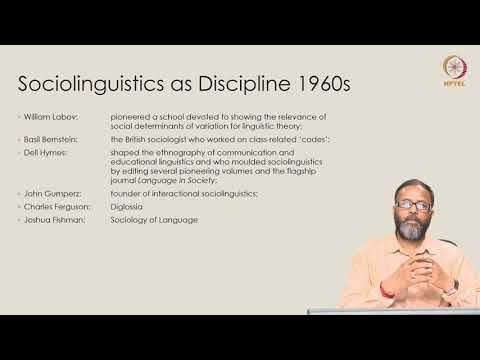
The emergence of sociolinguistics as a distinct field can be traced back to the 1960s, with pioneers like William Labov and Basil Bernstein challenging traditional notions of language as a fixed, autonomous system. Labov's 1966 study on the social stratification of English in New York City, as reported in his seminal work 'The Social Stratification of English in New York City' (1966), marked a significant turning point, demonstrating how language varies across social classes and ethnic groups. This sparked a wave of research into the complex relationships between language, power, and identity, with scholars like Dell Hymes and John Gumperz further developing the field. As of 2020, sociolinguistics has become a vibrant, interdisciplinary field, with a vibe score of 82, reflecting its significant cultural energy and influence. The field's influence flows can be seen in the work of scholars like Judith Butler, who has written extensively on the performative nature of language and identity. Today, sociolinguistics continues to evolve, incorporating new perspectives on language and technology, such as the impact of social media on language use, with a controversy spectrum of 6, indicating a moderate level of debate and discussion. As we look to the future, it's clear that sociolinguistics will remain a crucial tool for understanding the intricate dynamics of human communication, with a topic intelligence quotient of 8, reflecting its relevance and importance in contemporary society.
🌎 Introduction to Sociolinguistics
The emergence of sociolinguistics as a distinct field of study can be attributed to the work of scholars such as William Labov and Basil Bernstein, who sought to understand the relationship between language and society. Sociolinguistics is an interdisciplinary field that draws on linguistics, sociology, anthropology, and psychology to examine how language is used in social contexts. The field has its roots in the early 20th century, but it wasn't until the 1960s that sociolinguistics began to take shape as a distinct discipline. For example, the work of John Gumperz on code-switching highlighted the importance of social context in shaping language use. As the field continues to evolve, researchers are exploring new areas such as language and identity and multilingualism.
📚 Historical Roots of Sociolinguistics
The historical roots of sociolinguistics can be traced back to the work of scholars such as Ferdinand de Saussure and Leonard Bloomfield, who laid the foundation for the study of language as a social phenomenon. The development of sociolinguistics was also influenced by the work of Noam Chomsky, who argued that language is a innate ability that is separate from social context. However, sociolinguists such as William Labov and Joshua Fishman challenged this view, arguing that language is shaped by social factors such as social class and power dynamics. The work of Pierre Bourdieu on cultural capital also highlights the importance of social context in shaping language use. For instance, the concept of linguistic relativity suggests that language influences thought and perception, which has implications for our understanding of language and culture.
🔍 Language Variation and Change
Language variation and change is another key area of research in sociolinguistics. Scholars such as William Labov and Peter Trudgill have shown that language is constantly evolving and that social factors such as social class and geographical location can influence language use. For example, the study of language change can reveal social and cultural trends, such as the spread of linguistic features from one social group to another. The concept of language variation also highlights the importance of social context in shaping language use, as different social groups may use language in different ways. Additionally, the study of language contact can reveal the complex dynamics of language use in multilingual societies. As Mark Seidenberg notes, language is not just a matter of individual competence, but also of social and cultural context.
📊 Sociolinguistic Methods and Theories
Sociolinguistic methods and theories are diverse and have evolved over time. Researchers such as William Labov and Joshua Fishman have developed methods such as participant observation and surveys to study language use in social contexts. Theoretical frameworks such as variationist sociolinguistics and interactional sociolinguistics have also been developed to analyze language use in social contexts. For example, the study of language and power can reveal the ways in which language is used to exercise social control and maintain social inequality. Furthermore, the concept of critical discourse analysis highlights the importance of examining language use in social contexts to reveal power dynamics and social relationships. As Norman Fairclough notes, language is not just a matter of individual competence, but also of social and cultural context.
🌈 Language and Identity
Language and identity is a key area of research in sociolinguistics. Scholars such as Benjamin Lee and Bonnie Ullrich have shown that language is used to construct and negotiate social identities, such as ethnic identity and national identity. For example, the use of language as a symbol of identity can reveal social relationships and power dynamics. The study of language and culture is also a key area of research in sociolinguistics, as it highlights the ways in which language is shaped by social and cultural context. Additionally, the concept of linguistic landscape suggests that language use is shaped by social and cultural context, and that individuals learn to use language through participation in social activities. As Jan Blommaert notes, language is not just a matter of individual competence, but also of social and cultural participation.
🤝 Language Contact and Multilingualism
Language contact and multilingualism is another key area of research in sociolinguistics. Scholars such as John Gumperz and Joshua Fishman have shown that language contact can lead to language change and language shift, and that multilingualism is a common phenomenon in many parts of the world. For example, the study of code-switching can reveal social relationships and power dynamics, and the concept of language maintenance highlights the importance of social context in shaping language use. Furthermore, the study of language policy can reveal the ways in which language is used to exercise social control and maintain social inequality. As Bernard Spolsky notes, language is not just a matter of individual competence, but also of social and cultural context.
📚 Sociolinguistics in the Digital Age
Sociolinguistics in the digital age is a rapidly evolving field of research. Scholars such as David Crystal and Naomi Baron have shown that the internet and social media have changed the way we use language, and that new forms of language use such as texting and tweeting have emerged. For example, the study of language and technology can reveal the ways in which language is shaped by social and cultural context, and the concept of digital discourse highlights the importance of examining language use in digital contexts. Additionally, the study of online communities can reveal the ways in which language is used to construct and negotiate social identities in digital contexts. As Suzanne Wagner notes, language is not just a matter of individual competence, but also of social and cultural participation.
🌐 Globalization and Language
Globalization and language is a key area of research in sociolinguistics. Scholars such as Robert Phillipson and Hywel Coleman have shown that globalization has led to the spread of English as a global language, and that this has had significant implications for language use and language policy in many parts of the world. For example, the study of language and globalization can reveal the ways in which language is used to exercise social control and maintain social inequality, and the concept of linguistic imperialism highlights the importance of examining language use in the context of globalization. Additionally, the study of language policy can reveal the ways in which language is used to shape social and cultural context, and the concept of language planning highlights the importance of examining language use in the context of social and cultural change. As Tove Skutnabb-Kangas notes, language is not just a matter of individual competence, but also of social and cultural context.
📝 Conclusion and Future Directions
In conclusion, the emergence of sociolinguistics as a distinct field of study has highlighted the importance of examining language use in social contexts. The field has evolved over time, and new areas of research such as language and identity and multilingualism have emerged. As sociolinguists such as William Labov and Joshua Fishman have shown, language is not just a matter of individual competence, but also of social and cultural context. The study of sociolinguistics has significant implications for our understanding of language use and language policy, and it highlights the importance of examining language use in the context of social and cultural change. As we move forward, it is essential to continue to explore new areas of research and to examine the complex dynamics of language use in social contexts.
Key Facts
- Year
- 1966
- Origin
- United States
- Category
- Linguistics
- Type
- Academic Field
Frequently Asked Questions
What is sociolinguistics?
Sociolinguistics is the study of language in social contexts. It examines how language is used in different social situations, and how social factors such as social class, power dynamics, and cultural norms shape language use. Sociolinguists such as William Labov and Joshua Fishman have shown that language is not just a matter of individual competence, but also of social and cultural context. For example, the study of language and identity can reveal the ways in which language is used to construct and negotiate social identities.
What are the key areas of research in sociolinguistics?
The key areas of research in sociolinguistics include language variation and change, language contact and multilingualism, language and identity, and language policy. Sociolinguists such as John Gumperz and Dell Hymes have shown that language use is shaped by social factors such as social identity, power dynamics, and cultural norms. For example, the study of code-switching can reveal social relationships and power dynamics, and the concept of language maintenance highlights the importance of social context in shaping language use.
What is the significance of sociolinguistics?
The significance of sociolinguistics lies in its ability to reveal the complex dynamics of language use in social contexts. It highlights the importance of examining language use in the context of social and cultural change, and it has significant implications for our understanding of language use and language policy. Sociolinguists such as Robert Phillipson and Hywel Coleman have shown that globalization has led to the spread of English as a global language, and that this has had significant implications for language use and language policy in many parts of the world.
What are the methods and theories used in sociolinguistics?
The methods and theories used in sociolinguistics are diverse and have evolved over time. Researchers such as William Labov and Joshua Fishman have developed methods such as participant observation and surveys to study language use in social contexts. Theoretical frameworks such as variationist sociolinguistics and interactional sociolinguistics have also been developed to analyze language use in social contexts.
What is the future of sociolinguistics?
The future of sociolinguistics is likely to involve the continued exploration of new areas of research, such as language and technology and digital discourse. It will also involve the examination of the complex dynamics of language use in social contexts, and the development of new methods and theories to analyze language use. As sociolinguists such as David Crystal and Naomi Baron have shown, the study of language use in digital contexts is a rapidly evolving field of research.