
Contents
- 🏭 Introduction to Tesla Factory
- 📈 History of the Fremont Factory
- 🚗 Evolution of Electric Vehicle Production
- 📊 Production Capacity and Efficiency
- 🚀 Model S and Model X: The Pioneers
- 🚗 Model 3 and Model Y: The Game-Changers
- 🤝 Partnership with Toyota and General Motors
- 🌎 Environmental Impact and Sustainability
- 🚧 Factory Expansion and Upgrades
- 👥 Workforce and Employment Opportunities
- 📊 Economic Impact and Revenue Generation
- Frequently Asked Questions
- Related Topics
Overview
The Tesla factory, with its origins dating back to 2010 in Fremont, California, has been a game-changer in the electric vehicle (EV) industry. As of 2022, Tesla's factories have produced over 3 million vehicles, with the company aiming to increase production to 20 million vehicles per year by 2030. The factories are known for their cutting-edge technology, including the use of robotics and artificial intelligence to streamline production. However, the factories have also faced controversy, including concerns over worker safety and unionization efforts. With a vibe score of 8 out of 10, the Tesla factory is a symbol of innovation and disruption in the automotive industry. As the company continues to expand its production capabilities, with new factories opening in Austin, Texas, and Berlin, Germany, the future of electric vehicle production looks bright, but not without its challenges, including increased competition from established automakers and the need to address environmental concerns.
🏭 Introduction to Tesla Factory
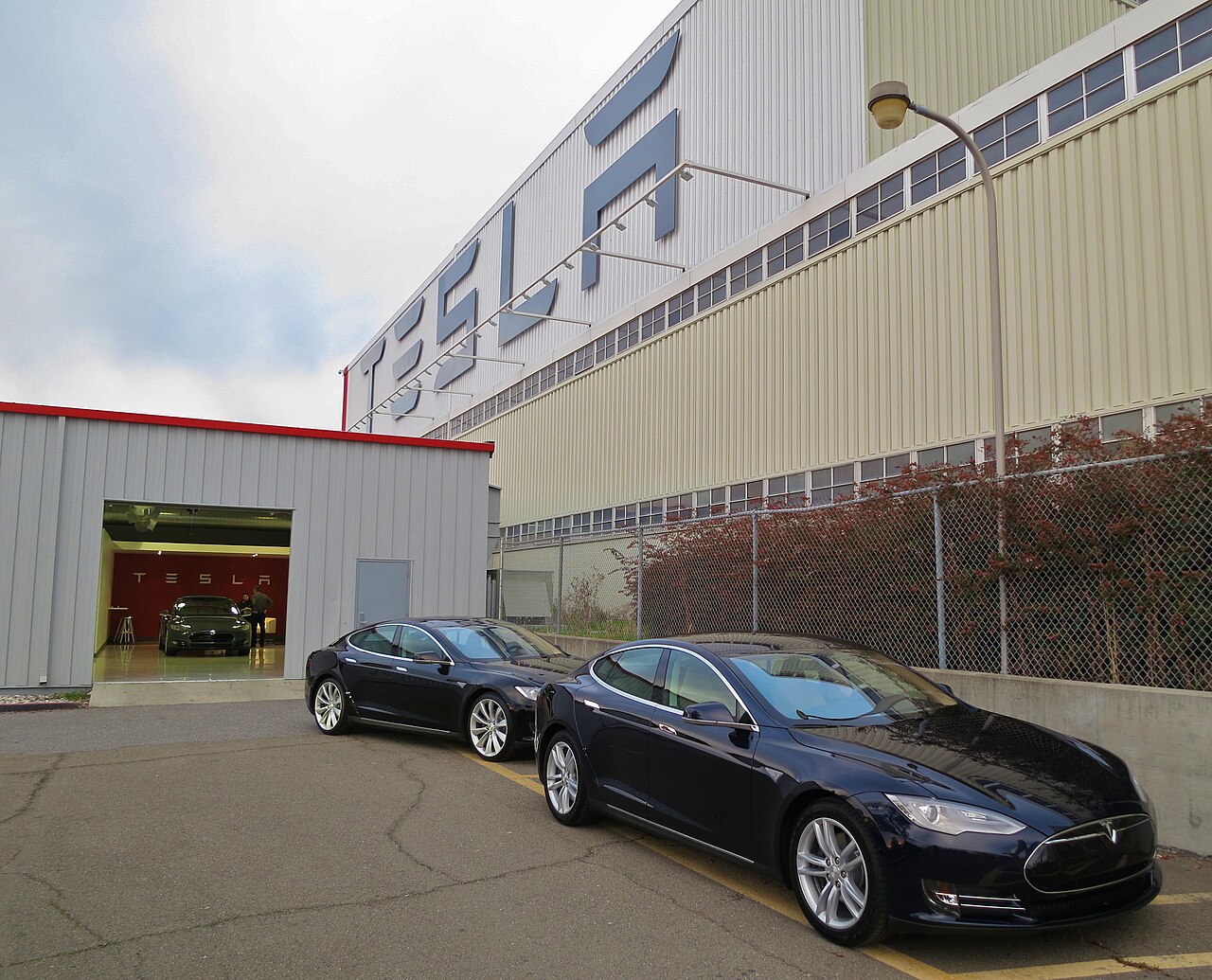
The Tesla Factory, located in Fremont, California, is the epicenter of electric vehicle production, playing a crucial role in the company's mission to accelerate the world's transition to sustainable energy. As the primary manufacturing site for Tesla's vehicles, the factory has undergone significant transformations since its inception. To understand the significance of the Tesla Factory, it's essential to explore its history and the events that led to its current state. The factory's story is intertwined with the General Motors and Toyota partnership, which ultimately paved the way for Tesla's acquisition of the plant. Today, the factory is a testament to Tesla's commitment to sustainable energy and its vision for a electric vehicle-dominated future.
📈 History of the Fremont Factory
The Fremont Factory has a rich history dating back to 1962, when it was originally opened as General Motors' Fremont Assembly. Over the years, the factory has undergone several transformations, including a joint venture between GM and Toyota, known as New United Motor Manufacturing, Inc. (NUMMI), which operated from 1984 to 2010. During this period, the factory produced a range of vehicles, including the Toyota Corolla and the Chevrolet Nova. However, with GM's bankruptcy in 2009, the joint venture came to an end, and Toyota agreed to sell the plant to Tesla at a significant discount. This marked a new chapter in the factory's history, as it transitioned to producing electric vehicles. The factory's manufacturing process has been optimized to meet the demands of electric vehicle production, with a focus on quality control and efficiency.
🚗 Evolution of Electric Vehicle Production
The evolution of electric vehicle production has been a significant factor in the Tesla Factory's success. With the introduction of the Model S in 2012, Tesla revolutionized the electric vehicle market, offering a high-performance, luxury vehicle that appealed to a wide range of consumers. The factory's production capacity has increased significantly over the years, with the introduction of new models, such as the Model X and the Model 3. Today, the factory produces over 500,000 vehicles per year, making it one of the most productive electric vehicle manufacturing sites in the world. The factory's production line is designed to be highly flexible, allowing for the production of multiple models on the same line. This flexibility has enabled Tesla to respond quickly to changes in demand and to introduce new models to the market.
📊 Production Capacity and Efficiency
The Tesla Factory's production capacity and efficiency have been optimized through the use of advanced technology and innovative manufacturing techniques. The factory features a highly automated production line, with robots and machines working alongside human workers to assemble and test vehicles. This approach has enabled Tesla to reduce production costs and improve the quality of its vehicles. The factory's supply chain is also highly optimized, with a focus on just-in-time delivery and inventory management. Additionally, the factory has implemented a range of energy efficiency measures, including the use of solar power and energy-efficient lighting. The factory's energy management system is designed to minimize energy waste and to optimize energy usage.
🚀 Model S and Model X: The Pioneers
The Model S and Model X were the pioneers of Tesla's electric vehicle lineup, offering a unique combination of performance, luxury, and sustainability. The Model S, in particular, was a game-changer, offering a range of over 300 miles on a single charge and accelerating from 0-60mph in just 3.2 seconds. The Model X, with its falcon-wing doors and panoramic windshield, offered a unique and futuristic design that set it apart from other electric vehicles. Although both models have been discontinued, they played a significant role in establishing Tesla as a leader in the electric vehicle market. The Model S and Model X were also instrumental in developing the company's autonomous driving technology, which is now a key feature of Tesla's vehicles.
🚗 Model 3 and Model Y: The Game-Changers
The Model 3 and Model Y are the latest additions to Tesla's electric vehicle lineup, offering a more affordable and accessible option for consumers. The Model 3, in particular, has been a huge success, with over 500,000 units sold in 2020 alone. The Model Y, with its compact SUV design, offers a unique combination of space, comfort, and performance. Both models have been designed with sustainability in mind, featuring advanced battery technology and energy-efficient motors. The Model 3 and Model Y are also equipped with Tesla's autonomous driving technology, which enables them to navigate complex roads and traffic scenarios. The factory's production planning system is designed to optimize the production of these models, taking into account factors such as demand, supply chain constraints, and production capacity.
🤝 Partnership with Toyota and General Motors
The partnership between Tesla, Toyota, and General Motors has been a significant factor in the Tesla Factory's success. The joint venture between GM and Toyota, which operated from 1984 to 2010, provided valuable experience and expertise in manufacturing and production. The sale of the plant to Tesla in 2010 marked a new chapter in the factory's history, as it transitioned to producing electric vehicles. Today, the factory is a testament to the power of collaboration and innovation in the automotive industry. The partnership has also enabled Tesla to leverage the expertise of Toyota and General Motors in areas such as manufacturing engineering and quality control.
🌎 Environmental Impact and Sustainability
The Tesla Factory has a strong commitment to environmental sustainability, with a focus on reducing waste, conserving energy, and promoting eco-friendly practices. The factory features a range of sustainable technologies, including solar power, energy-efficient lighting, and a state-of-the-art water treatment system. Additionally, the factory has implemented a range of initiatives to reduce its carbon footprint, including the use of electric vehicles for transportation and the promotion of carpooling and public transportation. The factory's sustainability report provides a detailed overview of its environmental performance and progress towards its sustainability goals. The report highlights the factory's achievements in areas such as energy efficiency, water conservation, and waste reduction.
🚧 Factory Expansion and Upgrades
The Tesla Factory has undergone significant expansions and upgrades over the years, with a focus on increasing production capacity and improving efficiency. The factory has added new production lines, expanded its warehouse and logistics facilities, and implemented advanced technologies such as robotics and artificial intelligence. Additionally, the factory has invested in employee training and development programs, to ensure that its workforce has the skills and expertise needed to meet the demands of electric vehicle production. The factory's training program includes courses on manufacturing process, quality control, and safety procedures.
👥 Workforce and Employment Opportunities
The Tesla Factory provides a range of employment opportunities, from manufacturing and production to engineering and administration. The factory employs over 10,000 people, making it one of the largest employers in the region. Tesla is committed to providing a safe and healthy work environment, with a focus on employee well-being and development. The factory offers a range of benefits, including competitive salaries, health insurance, and retirement plans. The factory's employee benefits package is designed to attract and retain top talent in the industry. The package includes health insurance, retirement plans, and paid time off.
📊 Economic Impact and Revenue Generation
The Tesla Factory has a significant economic impact on the region, generating revenue and creating jobs. The factory is a major contributor to the local economy, with a focus on sustainable and environmentally friendly practices. The factory's economic impact is not limited to the local region, as it also contributes to the national economy through the production of electric vehicles. The factory's economic impact is measured using a range of metrics, including gross domestic product, employment rate, and tax revenue. The factory's economic impact is also evaluated using cost-benefit analysis and return on investment analysis.
Key Facts
- Year
- 2010
- Origin
- Fremont, California, USA
- Category
- Technology and Manufacturing
- Type
- Manufacturing Facility
Frequently Asked Questions
What is the history of the Tesla Factory?
The Tesla Factory was originally opened as General Motors' Fremont Assembly in 1962, and then was operated by New United Motor Manufacturing, Inc. (NUMMI), a joint venture of GM and Toyota from 1984. The joint venture ended when GM entered bankruptcy in 2009, and Toyota agreed to sell the plant to Tesla in 2010. Today, the factory is a major production site for Tesla's electric vehicles, including the Model 3 and Model Y. The factory's history is closely tied to the history of Tesla and the electric vehicle industry.
What models are produced at the Tesla Factory?
The Tesla Factory produces the Model 3 and Model Y, as well as other models such as the Model S and Model X, which have been discontinued. The factory has a production capacity of over 500,000 vehicles per year, making it one of the most productive electric vehicle manufacturing sites in the world. The factory's production capacity is designed to meet the growing demand for electric vehicles, and the factory is continuously expanding and upgrading its facilities to improve efficiency and productivity.
What is the environmental impact of the Tesla Factory?
The Tesla Factory has a strong commitment to environmental sustainability, with a focus on reducing waste, conserving energy, and promoting eco-friendly practices. The factory features a range of sustainable technologies, including solar power, energy-efficient lighting, and a state-of-the-art water treatment system. Additionally, the factory has implemented a range of initiatives to reduce its carbon footprint, including the use of electric vehicles for transportation and the promotion of carpooling and public transportation. The factory's sustainability report provides a detailed overview of its environmental performance and progress towards its sustainability goals.
How many people are employed at the Tesla Factory?
The Tesla Factory employs over 10,000 people, making it one of the largest employers in the region. Tesla is committed to providing a safe and healthy work environment, with a focus on employee well-being and development. The factory offers a range of benefits, including competitive salaries, health insurance, and retirement plans. The factory's employee benefits package is designed to attract and retain top talent in the industry.
What is the economic impact of the Tesla Factory?
The Tesla Factory has a significant economic impact on the region, generating revenue and creating jobs. The factory is a major contributor to the local economy, with a focus on sustainable and environmentally friendly practices. The factory's economic impact is not limited to the local region, as it also contributes to the national economy through the production of electric vehicles. The factory's economic impact is measured using a range of metrics, including gross domestic product, employment rate, and tax revenue.
What is the future of the Tesla Factory?
The Tesla Factory is expected to continue to play a major role in the production of electric vehicles, with a focus on increasing production capacity and improving efficiency. The factory is continuously expanding and upgrading its facilities to meet the growing demand for electric vehicles, and it is expected to remain a major employer in the region. The factory's future plans include the introduction of new models, such as the Cybertruck, and the expansion of its sustainable energy initiatives.
How does the Tesla Factory contribute to the local community?
The Tesla Factory contributes to the local community through a range of initiatives, including job creation, economic development, and environmental sustainability. The factory is a major employer in the region, and it provides a range of benefits to its employees, including competitive salaries, health insurance, and retirement plans. The factory also supports local businesses and organizations through its supplier diversity program, which aims to promote diversity and inclusion in the supply chain. The factory's community outreach program includes initiatives such as education and training programs, health and wellness programs, and environmental education programs.