
Contents
- 🎯 Introduction to Targeted Marketing
- 📊 The Evolution of Targeted Advertising
- 📈 Benefits of Targeted Marketing
- 🔍 Understanding Target Audiences
- 📊 Data-Driven Marketing Strategies
- 📈 Measuring the Success of Targeted Marketing
- 🚀 Personalization in Targeted Marketing
- 🤝 The Role of Artificial Intelligence in Targeted Marketing
- 📊 Budget Allocation for Targeted Marketing
- 📈 Future of Targeted Marketing
- 📊 Common Challenges in Targeted Marketing
- 📈 Best Practices for Targeted Marketing
- Frequently Asked Questions
- Related Topics
Overview
Targeted marketing, with its roots in the 1990s, has evolved significantly with the advent of big data and social media. Today, companies like Facebook and Google are at the forefront, utilizing algorithms to deliver personalized ads to over 3.8 billion people worldwide, with a projected global spend of $455 billion by 2023. However, this precision comes with controversy, as concerns over data privacy and ad manipulation continue to escalate. Proponents argue that targeted marketing increases efficiency and reduces waste, while critics claim it perpetuates echo chambers and undermines consumer autonomy. As the debate rages on, innovators like Cambridge Analytica's former CEO, Alexander Nix, have sparked intense scrutiny. With a vibe score of 82, targeted marketing is a high-energy, high-stakes field that will continue to shape the future of advertising, with key players like Procter & Gamble and Coca-Cola investing heavily in data-driven campaigns.
🎯 Introduction to Targeted Marketing
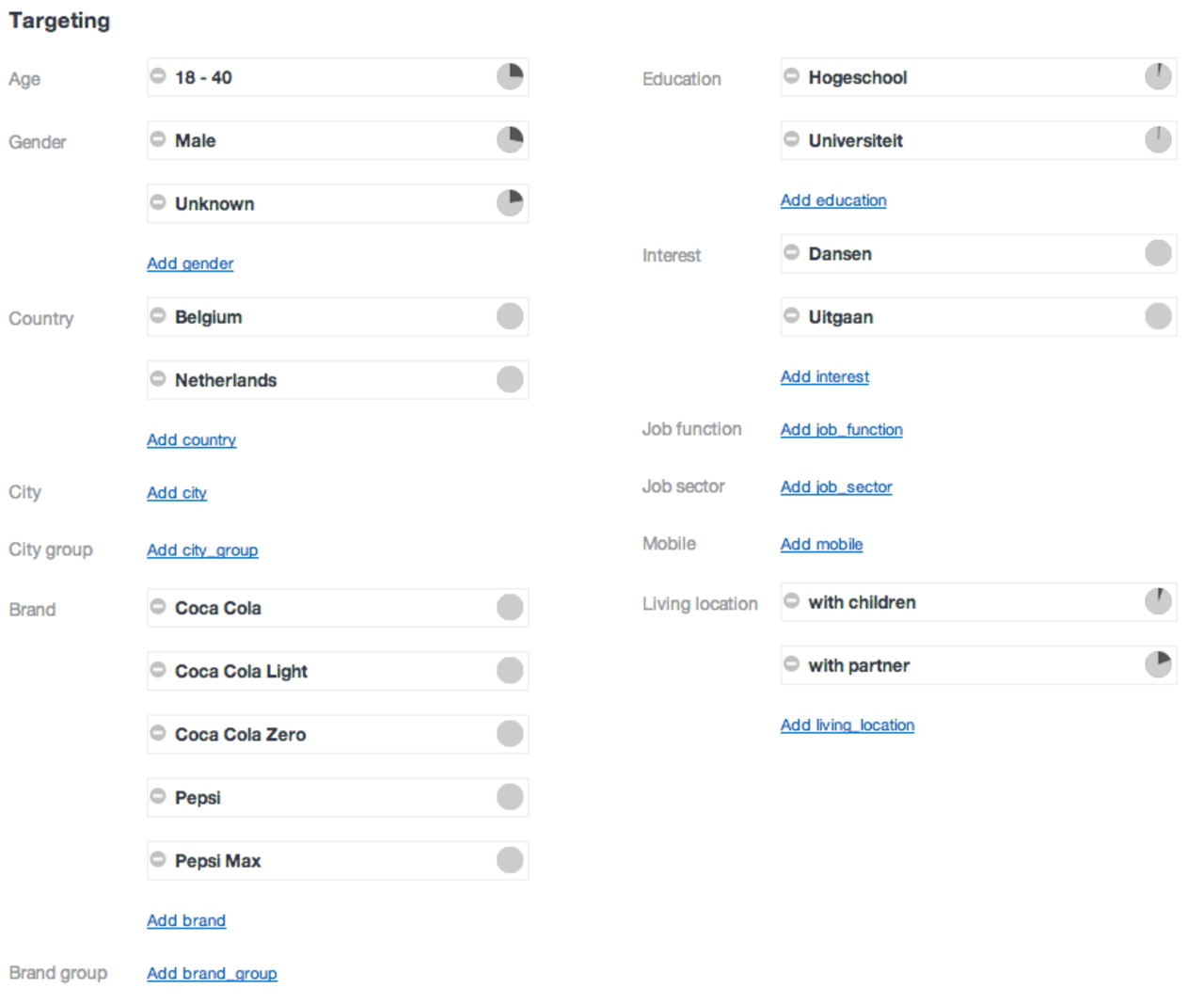
Targeted marketing, also known as data-driven marketing, is a form of advertising that is directed towards an audience with certain traits, based on the product or person the advertiser is promoting. This approach allows businesses to maximize their marketing efforts by reaching the most relevant audience. As discussed in Targeted Advertising, targeted marketing has become a crucial aspect of modern marketing strategies. With the help of Data Analysis and Market Research, businesses can create targeted marketing campaigns that yield higher conversion rates. The use of Social Media platforms has also made it easier for businesses to target specific audiences. For instance, Facebook Ads and Google Ads provide businesses with a range of targeting options, including demographics, interests, and behaviors.
📊 The Evolution of Targeted Advertising
The evolution of targeted advertising has been shaped by advances in technology and changes in consumer behavior. As discussed in Digital Marketing, the rise of the internet and social media has created new opportunities for businesses to reach their target audiences. The use of Cookies and other tracking technologies has also enabled businesses to collect data on consumer behavior and preferences. However, as noted in Online Privacy, the collection and use of consumer data has raised concerns about privacy and security. Businesses must balance their marketing efforts with the need to protect consumer privacy, as discussed in Data Protection. The development of Programmatic Advertising has also changed the way businesses approach targeted marketing. By using automated systems to buy and sell ad space, businesses can reach their target audiences more efficiently.
📈 Benefits of Targeted Marketing
The benefits of targeted marketing are numerous. As discussed in Marketing Strategy, targeted marketing allows businesses to maximize their marketing efforts by reaching the most relevant audience. This approach can lead to higher conversion rates, increased brand awareness, and improved customer engagement. By using Customer Segmentation techniques, businesses can identify their target audiences and create marketing campaigns that resonate with them. The use of Personalization techniques can also help businesses to build stronger relationships with their customers. For instance, Email Marketing campaigns can be tailored to individual customers based on their preferences and behaviors. As noted in Marketing Automation, the use of automation technologies can also help businesses to streamline their marketing efforts and improve their overall efficiency.
🔍 Understanding Target Audiences
Understanding target audiences is critical to the success of targeted marketing campaigns. As discussed in Market Segmentation, businesses must identify their target audiences and create marketing campaigns that resonate with them. The use of Demographic Analysis and Psychographic Analysis can help businesses to understand their target audiences and create marketing campaigns that meet their needs. By using Social Media Listening techniques, businesses can also gain insights into consumer behavior and preferences. For instance, Social Media Monitoring can help businesses to track consumer conversations and identify trends and patterns. As noted in Customer Insights, the use of customer feedback and surveys can also provide businesses with valuable insights into consumer behavior and preferences.
📊 Data-Driven Marketing Strategies
Data-driven marketing strategies are essential to the success of targeted marketing campaigns. As discussed in Data-Driven Marketing, businesses must use data and analytics to inform their marketing decisions. The use of Marketing Analytics can help businesses to measure the effectiveness of their marketing campaigns and identify areas for improvement. By using Customer Data Platforms, businesses can also gain a single customer view and create marketing campaigns that are tailored to individual customers. The development of Artificial Intelligence and Machine Learning has also changed the way businesses approach data-driven marketing. For instance, Predictive Analytics can help businesses to forecast consumer behavior and preferences. As noted in Marketing Technology, the use of marketing automation platforms can also help businesses to streamline their marketing efforts and improve their overall efficiency.
📈 Measuring the Success of Targeted Marketing
Measuring the success of targeted marketing campaigns is critical to understanding their effectiveness. As discussed in Marketing Metrics, businesses must use metrics such as conversion rates, click-through rates, and return on investment (ROI) to measure the success of their marketing campaigns. The use of Marketing Attribution can also help businesses to understand the impact of their marketing campaigns on consumer behavior. By using Customer Lifecycle Management techniques, businesses can also track the customer journey and identify areas for improvement. For instance, Customer Journey Mapping can help businesses to identify pain points and opportunities for improvement. As noted in Marketing Optimization, the use of optimization techniques can also help businesses to improve the effectiveness of their marketing campaigns.
🚀 Personalization in Targeted Marketing
Personalization is a key aspect of targeted marketing. As discussed in Personalization, businesses must use data and analytics to create marketing campaigns that are tailored to individual customers. The use of Customer Profiling can help businesses to create detailed profiles of their customers and create marketing campaigns that meet their needs. By using Content Personalization techniques, businesses can also create content that resonates with their target audiences. For instance, Product Recommendations can help businesses to suggest products that are relevant to individual customers. As noted in Customer Experience, the use of personalization techniques can also help businesses to build stronger relationships with their customers.
🤝 The Role of Artificial Intelligence in Targeted Marketing
Artificial intelligence (AI) is playing an increasingly important role in targeted marketing. As discussed in Artificial Intelligence, AI can help businesses to analyze large amounts of data and create marketing campaigns that are tailored to individual customers. The use of Machine Learning can also help businesses to predict consumer behavior and preferences. By using Natural Language Processing techniques, businesses can also analyze consumer conversations and identify trends and patterns. For instance, Chatbots can help businesses to provide customer support and answer frequently asked questions. As noted in Marketing Automation, the use of automation technologies can also help businesses to streamline their marketing efforts and improve their overall efficiency.
📊 Budget Allocation for Targeted Marketing
Budget allocation is a critical aspect of targeted marketing. As discussed in Marketing Budget, businesses must allocate their marketing budget effectively to maximize their return on investment (ROI). The use of Marketing Mix Modeling can help businesses to understand the impact of their marketing campaigns on consumer behavior. By using Return on Ad Spend (ROAS) analysis, businesses can also measure the effectiveness of their marketing campaigns and identify areas for improvement. For instance, Cost Per Acquisition (CPA) analysis can help businesses to understand the cost of acquiring new customers. As noted in Marketing Optimization, the use of optimization techniques can also help businesses to improve the effectiveness of their marketing campaigns.
📈 Future of Targeted Marketing
The future of targeted marketing is likely to be shaped by advances in technology and changes in consumer behavior. As discussed in Marketing Trends, businesses must stay ahead of the curve and adapt to changing consumer preferences. The use of Emerging Technologies such as augmented reality (AR) and virtual reality (VR) can help businesses to create immersive marketing experiences that resonate with their target audiences. By using Sustainability techniques, businesses can also reduce their environmental impact and improve their brand reputation. For instance, Green Marketing can help businesses to promote eco-friendly products and services. As noted in Marketing Innovation, the use of innovative marketing techniques can also help businesses to stay ahead of the competition.
📊 Common Challenges in Targeted Marketing
Common challenges in targeted marketing include data quality issues, lack of transparency, and ad fatigue. As discussed in Marketing Challenges, businesses must address these challenges to maximize the effectiveness of their marketing campaigns. The use of Data Quality techniques can help businesses to ensure that their data is accurate and reliable. By using Advertising Transparency techniques, businesses can also provide consumers with more information about their marketing practices. For instance, Ad Disclosure can help businesses to disclose their advertising practices and build trust with their target audiences. As noted in Marketing Ethics, the use of ethical marketing practices can also help businesses to build stronger relationships with their customers.
📈 Best Practices for Targeted Marketing
Best practices for targeted marketing include using data and analytics to inform marketing decisions, creating personalized marketing campaigns, and measuring the effectiveness of marketing campaigns. As discussed in Marketing Best Practices, businesses must stay up-to-date with the latest marketing trends and technologies to maximize their return on investment (ROI). The use of Marketing Automation can help businesses to streamline their marketing efforts and improve their overall efficiency. By using Customer Experience techniques, businesses can also create marketing campaigns that resonate with their target audiences. For instance, Customer Journey Mapping can help businesses to identify pain points and opportunities for improvement. As noted in Marketing Innovation, the use of innovative marketing techniques can also help businesses to stay ahead of the competition.
Key Facts
- Year
- 2023
- Origin
- USA
- Category
- Marketing
- Type
- Marketing Strategy
Frequently Asked Questions
What is targeted marketing?
Targeted marketing is a form of advertising that is directed towards an audience with certain traits, based on the product or person the advertiser is promoting. This approach allows businesses to maximize their marketing efforts by reaching the most relevant audience. As discussed in Targeted Advertising, targeted marketing has become a crucial aspect of modern marketing strategies. The use of Data Analysis and Market Research can help businesses to create targeted marketing campaigns that yield higher conversion rates.
What are the benefits of targeted marketing?
The benefits of targeted marketing are numerous. As discussed in Marketing Strategy, targeted marketing allows businesses to maximize their marketing efforts by reaching the most relevant audience. This approach can lead to higher conversion rates, increased brand awareness, and improved customer engagement. By using Customer Segmentation techniques, businesses can identify their target audiences and create marketing campaigns that resonate with them. The use of Personalization techniques can also help businesses to build stronger relationships with their customers.
How do businesses measure the success of targeted marketing campaigns?
Measuring the success of targeted marketing campaigns is critical to understanding their effectiveness. As discussed in Marketing Metrics, businesses must use metrics such as conversion rates, click-through rates, and return on investment (ROI) to measure the success of their marketing campaigns. The use of Marketing Attribution can also help businesses to understand the impact of their marketing campaigns on consumer behavior. By using Customer Lifecycle Management techniques, businesses can also track the customer journey and identify areas for improvement.
What role does artificial intelligence play in targeted marketing?
Artificial intelligence (AI) is playing an increasingly important role in targeted marketing. As discussed in Artificial Intelligence, AI can help businesses to analyze large amounts of data and create marketing campaigns that are tailored to individual customers. The use of Machine Learning can also help businesses to predict consumer behavior and preferences. By using Natural Language Processing techniques, businesses can also analyze consumer conversations and identify trends and patterns.
What are some common challenges in targeted marketing?
Common challenges in targeted marketing include data quality issues, lack of transparency, and ad fatigue. As discussed in Marketing Challenges, businesses must address these challenges to maximize the effectiveness of their marketing campaigns. The use of Data Quality techniques can help businesses to ensure that their data is accurate and reliable. By using Advertising Transparency techniques, businesses can also provide consumers with more information about their marketing practices.
What are some best practices for targeted marketing?
Best practices for targeted marketing include using data and analytics to inform marketing decisions, creating personalized marketing campaigns, and measuring the effectiveness of marketing campaigns. As discussed in Marketing Best Practices, businesses must stay up-to-date with the latest marketing trends and technologies to maximize their return on investment (ROI). The use of Marketing Automation can help businesses to streamline their marketing efforts and improve their overall efficiency. By using Customer Experience techniques, businesses can also create marketing campaigns that resonate with their target audiences.
How can businesses allocate their marketing budget effectively?
Budget allocation is a critical aspect of targeted marketing. As discussed in Marketing Budget, businesses must allocate their marketing budget effectively to maximize their return on investment (ROI). The use of Marketing Mix Modeling can help businesses to understand the impact of their marketing campaigns on consumer behavior. By using Return on Ad Spend (ROAS) analysis, businesses can also measure the effectiveness of their marketing campaigns and identify areas for improvement.