
Contents
- 🔬 Introduction to Synthetic Biologists
- 🧬 History of Synthetic Biology
- 🎯 Key Principles of Synthetic Biology
- 🔬 Tools and Techniques of Synthetic Biologists
- 🌎 Applications of Synthetic Biology
- 🚨 Ethics and Safety Concerns in Synthetic Biology
- 📊 Career Paths for Synthetic Biologists
- 👥 Notable Synthetic Biologists
- 📚 Education and Training for Synthetic Biologists
- 📊 Future Prospects and Challenges in Synthetic Biology
- 🌐 Global Impact of Synthetic Biology
- Frequently Asked Questions
- Related Topics
Overview
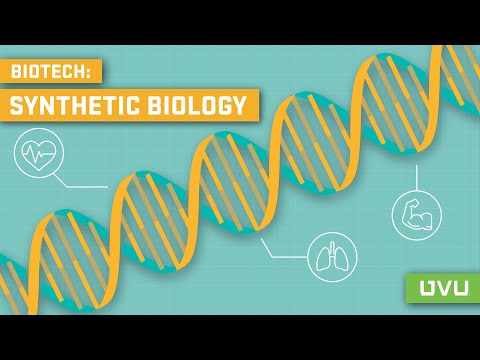
Synthetic biologists are revolutionizing the field of biology by designing and constructing new biological systems, such as microorganisms, to produce specific functions. This emerging field combines engineering principles with molecular biology to create innovative solutions for biofuel production, disease treatment, and environmental remediation. According to a report by the National Academy of Sciences, the global synthetic biology market is projected to reach $13.4 billion by 2025, with key players like Zymergen and Ginkgo Bioworks leading the charge. However, the field is not without controversy, with concerns over biosafety, biosecurity, and the potential for unintended consequences. As synthetic biologists like George Church and Jennifer Doudna continue to push the boundaries of what is possible, the field is poised to transform industries and improve lives. With a vibe score of 8, synthetic biologists are making waves in the scientific community, but the long-term implications of their work remain to be seen.
🔬 Introduction to Synthetic Biologists
Synthetic biologists are a new breed of scientists who combine engineering principles with biological systems to design and construct new biological systems, such as microorganisms, to produce specific functions or products. Synthetic biology is a rapidly growing field that has the potential to revolutionize various industries, including biofuels, agriculture, and pharmaceuticals. Synthetic biologists use a variety of tools and techniques, including genetic engineering and gene editing, to design and construct new biological systems. The field of synthetic biology is closely related to biotechnology, which is the use of biological systems to develop new products and technologies. Synthetic biologists often work in interdisciplinary teams, collaborating with engineers, computer scientists, and other experts to develop new biological systems.
🧬 History of Synthetic Biology
The history of synthetic biology dates back to the 1960s, when scientists first began to explore the possibility of designing and constructing new biological systems. However, it wasn't until the 1990s that the field of synthetic biology began to take shape, with the development of new tools and techniques, such as DNA sequencing and gene synthesis. Since then, the field has grown rapidly, with the establishment of new research institutions and companies focused on synthetic biology. Synthetic biologists have made significant contributions to our understanding of biological systems and have developed new technologies, such as CRISPR, that have the potential to revolutionize various industries. The history of synthetic biology is closely tied to the development of molecular biology and genetics.
🎯 Key Principles of Synthetic Biology
The key principles of synthetic biology include the design and construction of new biological systems, the use of engineering principles to understand and manipulate biological systems, and the development of new tools and techniques for the design and construction of biological systems. Synthetic biologists use a variety of approaches, including top-down approach and bottom-up approach, to design and construct new biological systems. The field of synthetic biology is closely related to systems biology, which is the study of complex biological systems. Synthetic biologists often use computational models and simulations to design and test new biological systems, and they work closely with experimental biologists to validate their designs. The key principles of synthetic biology are also closely tied to biological engineering.
🔬 Tools and Techniques of Synthetic Biologists
Synthetic biologists use a variety of tools and techniques, including gene editing and gene synthesis, to design and construct new biological systems. They also use computational models and simulations to design and test new biological systems, and they work closely with experimental biologists to validate their designs. The tools and techniques used by synthetic biologists are constantly evolving, with new technologies, such as CRISPR, being developed and refined. Synthetic biologists also use a variety of software tools, including genome editing software, to design and construct new biological systems. The tools and techniques used by synthetic biologists are closely tied to bioinformatics and computational biology.
🌎 Applications of Synthetic Biology
The applications of synthetic biology are diverse and include the production of biofuels, the development of new pharmaceuticals, and the creation of new agricultural products. Synthetic biologists are also working to develop new technologies, such as bioremediation, to clean up environmental pollutants. The field of synthetic biology has the potential to revolutionize various industries, including bioenergy and biotechnology. Synthetic biologists are also working to develop new medical therapies, such as gene therapy, and they are exploring the use of synthetic biology to develop new biomaterials. The applications of synthetic biology are closely tied to sustainability and environmental science.
🚨 Ethics and Safety Concerns in Synthetic Biology
The ethics and safety concerns in synthetic biology are significant, and they include the potential for the misuse of synthetic biology to create harmful organisms, the potential for unintended consequences, and the need for strict regulation and oversight. Synthetic biologists are working to address these concerns, and they are developing new guidelines and regulations to ensure the safe and responsible use of synthetic biology. The ethics and safety concerns in synthetic biology are closely tied to bioethics and bioregulation. Synthetic biologists are also working to develop new technologies, such as biosensors, to detect and respond to potential threats. The ethics and safety concerns in synthetic biology are a major focus of research and debate in the field.
📊 Career Paths for Synthetic Biologists
The career paths for synthetic biologists are diverse and include positions in academia, industry, and government. Synthetic biologists can work in a variety of roles, including research and development, product development, and policy and regulation. The field of synthetic biology is rapidly growing, and there is a high demand for skilled synthetic biologists. Synthetic biologists can work in a variety of industries, including biotechnology, pharmaceuticals, and energy. The career paths for synthetic biologists are closely tied to science policy and technology transfer. Synthetic biologists can also work in non-profit organizations and government agencies, where they can help to develop and implement policies and regulations related to synthetic biology.
👥 Notable Synthetic Biologists
There are many notable synthetic biologists who have made significant contributions to the field. These include George Church, who is a pioneer in the field of synthetic biology, and Craig Venter, who is a leading researcher in the field of genomics. Other notable synthetic biologists include James Collins, who is a leading researcher in the field of systems biology, and Jay Keasling, who is a leading researcher in the field of metabolic engineering. These individuals have made significant contributions to our understanding of biological systems and have developed new technologies and approaches that have the potential to revolutionize various industries.
📚 Education and Training for Synthetic Biologists
The education and training required to become a synthetic biologist are significant, and they include a strong foundation in biology, chemistry, and mathematics. Synthetic biologists typically have a graduate degree in a field such as biological engineering, biochemistry, or molecular biology. They also require specialized training in areas such as genetic engineering and gene editing. The education and training required to become a synthetic biologist are closely tied to science education and STEM education. Synthetic biologists can also pursue postdoctoral research positions to gain additional experience and training.
📊 Future Prospects and Challenges in Synthetic Biology
The future prospects and challenges in synthetic biology are significant, and they include the potential for the field to revolutionize various industries, the need for strict regulation and oversight, and the potential for unintended consequences. Synthetic biologists are working to address these challenges, and they are developing new technologies and approaches that have the potential to transform the field. The future prospects and challenges in synthetic biology are closely tied to sustainability and environmental science. Synthetic biologists are also working to develop new medical therapies, such as gene therapy, and they are exploring the use of synthetic biology to develop new biomaterials.
🌐 Global Impact of Synthetic Biology
The global impact of synthetic biology is significant, and it has the potential to revolutionize various industries and improve human health and the environment. Synthetic biologists are working to develop new technologies and approaches that have the potential to transform the field, and they are collaborating with researchers and industries around the world to address global challenges. The global impact of synthetic biology is closely tied to global health and sustainability. Synthetic biologists are also working to develop new medical therapies, such as gene therapy, and they are exploring the use of synthetic biology to develop new biomaterials. The global impact of synthetic biology will continue to grow in the coming years, as the field continues to evolve and expand.
Key Facts
- Year
- 2010
- Origin
- MIT and Stanford University, where the first synthetic biology labs were established
- Category
- Biotechnology
- Type
- Occupation
Frequently Asked Questions
What is synthetic biology?
Synthetic biology is a field of research that combines engineering principles with biological systems to design and construct new biological systems, such as microorganisms, to produce specific functions or products. Synthetic biologists use a variety of tools and techniques, including genetic engineering and gene editing, to design and construct new biological systems. The field of synthetic biology has the potential to revolutionize various industries, including biofuels, agriculture, and pharmaceuticals.
What are the key principles of synthetic biology?
The key principles of synthetic biology include the design and construction of new biological systems, the use of engineering principles to understand and manipulate biological systems, and the development of new tools and techniques for the design and construction of biological systems. Synthetic biologists use a variety of approaches, including top-down approach and bottom-up approach, to design and construct new biological systems.
What are the applications of synthetic biology?
The applications of synthetic biology are diverse and include the production of biofuels, the development of new pharmaceuticals, and the creation of new agricultural products. Synthetic biologists are also working to develop new technologies, such as bioremediation, to clean up environmental pollutants. The field of synthetic biology has the potential to revolutionize various industries, including bioenergy and biotechnology.
What are the ethics and safety concerns in synthetic biology?
The ethics and safety concerns in synthetic biology are significant, and they include the potential for the misuse of synthetic biology to create harmful organisms, the potential for unintended consequences, and the need for strict regulation and oversight. Synthetic biologists are working to address these concerns, and they are developing new guidelines and regulations to ensure the safe and responsible use of synthetic biology.
What is the career path for synthetic biologists?
The career paths for synthetic biologists are diverse and include positions in academia, industry, and government. Synthetic biologists can work in a variety of roles, including research and development, product development, and policy and regulation. The field of synthetic biology is rapidly growing, and there is a high demand for skilled synthetic biologists.
What is the education and training required to become a synthetic biologist?
The education and training required to become a synthetic biologist are significant, and they include a strong foundation in biology, chemistry, and mathematics. Synthetic biologists typically have a graduate degree in a field such as biological engineering, biochemistry, or molecular biology. They also require specialized training in areas such as genetic engineering and gene editing.
What is the future of synthetic biology?
The future of synthetic biology is significant, and it has the potential to revolutionize various industries and improve human health and the environment. Synthetic biologists are working to develop new technologies and approaches that have the potential to transform the field, and they are collaborating with researchers and industries around the world to address global challenges.