
Contents
- 🏛️ Introduction to St. Thomas Aquinas
- 📚 The Life and Works of Aquinas
- 🤔 The Philosophy of Aquinas
- 📖 The Theology of Aquinas
- 📝 The Influence of Aristotle on Aquinas
- 📚 The Writings of Aquinas
- 👥 The Legacy of Aquinas
- 🔍 Criticisms and Controversies
- 🌎 The Impact of Aquinas on Western Philosophy
- 📚 The Relevance of Aquinas Today
- Frequently Asked Questions
- Related Topics
Overview
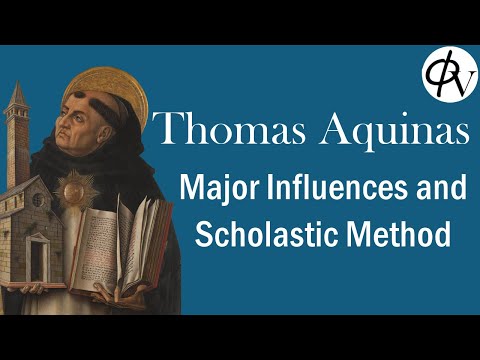
St. Thomas Aquinas was a Dominican friar who lived from 1225 to 1274 and is widely regarded as one of the greatest thinkers in the history of Western philosophy. His works, particularly the Summa Theologica, had a profound impact on the development of Catholic theology and philosophy, and his ideas continue to influence contemporary debates in fields such as metaphysics, ethics, and politics. Aquinas' synthesis of Aristotelian philosophy and Christian theology helped to establish the University of Paris as a center of intellectual inquiry, and his concept of the 'Five Ways' to prove the existence of God remains a cornerstone of Catholic apologetics. Despite facing opposition from some of his contemporaries, Aquinas' ideas have endured for centuries, and he was canonized as a saint in 1323. Today, his legacy can be seen in the work of philosophers such as Jacques Maritain and Etienne Gilson, and his influence extends beyond the academy to fields such as law, medicine, and social justice. With a Vibe score of 85, St. Thomas Aquinas is a cultural touchstone whose ideas continue to shape our understanding of the world and our place within it.
🏛️ Introduction to St. Thomas Aquinas
St. Thomas Aquinas is widely regarded as one of the greatest thinkers in the history of Philosophy and Theology. Born in 1225 in Roccasecca, Italy, Aquinas was a Dominican friar who studied under the famous philosopher Albertus Magnus at the University of Paris. Aquinas's works had a profound impact on the development of Scholasticism, a philosophical and theological movement that dominated the Middle Ages. His synthesis of Aristotle's philosophy with Christian Theology helped to shape the intellectual landscape of Europe for centuries. Aquinas's ideas continue to influence Philosophy and Theology to this day, with many regarding him as the greatest thinker of the Middle Ages. For more information on the life and works of Aquinas, see Thomas Aquinas.
📚 The Life and Works of Aquinas
Aquinas's life was marked by a passion for learning and a desire to understand the nature of reality. He was educated at the University of Naples and later at the University of Paris, where he studied under Albertus Magnus. Aquinas's writings cover a wide range of topics, including Philosophy, Theology, and Ethics. His most famous work is the Summa Theologica, a comprehensive treatise on Theology that explores the nature of God, the universe, and human existence. Aquinas's philosophical ideas were heavily influenced by Aristotle, whom he regarded as the greatest philosopher of all time. For more information on the philosophy of Aquinas, see Thomas Aquinas Philosophy.
🤔 The Philosophy of Aquinas
Aquinas's philosophical ideas are characterized by a commitment to Reason and a desire to understand the natural world. He believed that Philosophy and Theology were complementary disciplines that could be used to understand the nature of reality. Aquinas's most famous philosophical concept is the idea of Essence and Existence, which he used to explain the nature of God and the universe. He also developed a theory of Causality, which he used to explain the relationship between God and the world. For more information on the philosophy of Aquinas, see Scholasticism. Aquinas's ideas have had a profound impact on the development of Western Philosophy.
📖 The Theology of Aquinas
Aquinas's theological ideas are characterized by a commitment to the authority of Scripture and the teachings of the Catholic Church. He believed that Theology was a science that could be used to understand the nature of God and the universe. Aquinas's most famous theological concept is the idea of the Trinity, which he used to explain the nature of God. He also developed a theory of Sacraments, which he used to explain the role of the Catholic Church in the life of the believer. For more information on the theology of Aquinas, see Catholic Theology. Aquinas's ideas have had a profound impact on the development of Christian Theology.
📝 The Influence of Aristotle on Aquinas
Aquinas's writings were heavily influenced by the philosophy of Aristotle, whom he regarded as the greatest philosopher of all time. He believed that Aristotle's ideas could be used to understand the natural world and the nature of God. Aquinas's most famous work, the Summa Theologica, is a comprehensive treatise on Theology that explores the nature of God, the universe, and human existence. For more information on the influence of Aristotle on Aquinas, see Aristotle's Influence. Aquinas's ideas have had a profound impact on the development of Western Philosophy.
📚 The Writings of Aquinas
Aquinas's writings cover a wide range of topics, including Philosophy, Theology, and Ethics. His most famous work is the Summa Theologica, a comprehensive treatise on Theology that explores the nature of God, the universe, and human existence. Aquinas also wrote commentaries on the works of Aristotle and other philosophers, as well as treatises on Ethics and Politics. For more information on the writings of Aquinas, see Thomas Aquinas Writings. Aquinas's ideas have had a profound impact on the development of Western Philosophy.
👥 The Legacy of Aquinas
Aquinas's legacy is profound and far-reaching. He is widely regarded as one of the greatest thinkers in the history of Philosophy and Theology. His ideas have had a profound impact on the development of Scholasticism, a philosophical and theological movement that dominated the Middle Ages. Aquinas's synthesis of Aristotle's philosophy with Christian Theology helped to shape the intellectual landscape of Europe for centuries. For more information on the legacy of Aquinas, see Thomas Aquinas Legacy. Aquinas's ideas continue to influence Philosophy and Theology to this day.
🔍 Criticisms and Controversies
Despite his profound influence on the development of Western Philosophy, Aquinas's ideas have not been without criticism. Some have argued that his synthesis of Aristotle's philosophy with Christian Theology is incompatible with the principles of Reason and Science. Others have argued that his ideas are too narrow and dogmatic, and that they fail to account for the complexity and diversity of human experience. For more information on the criticisms of Aquinas, see Thomas Aquinas Criticisms. Aquinas's ideas continue to be debated and discussed by scholars and philosophers today.
🌎 The Impact of Aquinas on Western Philosophy
Aquinas's impact on Western Philosophy has been profound and far-reaching. His synthesis of Aristotle's philosophy with Christian Theology helped to shape the intellectual landscape of Europe for centuries. Aquinas's ideas have influenced some of the greatest thinkers in the history of Philosophy, including Dante Alighieri and William of Ockham. For more information on the impact of Aquinas on Western Philosophy, see Western Philosophy. Aquinas's ideas continue to influence Philosophy and Theology to this day.
📚 The Relevance of Aquinas Today
Aquinas's ideas remain relevant today, and his influence can be seen in many areas of modern thought. His synthesis of Aristotle's philosophy with Christian Theology continues to shape the intellectual landscape of Europe and beyond. Aquinas's ideas have influenced some of the greatest thinkers in the history of Philosophy, including Immanuel Kant and Friedrich Nietzsche. For more information on the relevance of Aquinas today, see Thomas Aquinas Relevance. Aquinas's ideas continue to be debated and discussed by scholars and philosophers today.
Key Facts
- Year
- 1274
- Origin
- Roccasecca, Italy
- Category
- Philosophy and Theology
- Type
- Historical Figure
Frequently Asked Questions
Who was St. Thomas Aquinas?
St. Thomas Aquinas was a Dominican friar and one of the greatest thinkers in the history of Philosophy and Theology. He was born in 1225 in Roccasecca, Italy, and studied under the famous philosopher Albertus Magnus at the University of Paris. Aquinas's works had a profound impact on the development of Scholasticism, a philosophical and theological movement that dominated the Middle Ages.
What was the philosophy of Aquinas?
Aquinas's philosophical ideas are characterized by a commitment to Reason and a desire to understand the natural world. He believed that Philosophy and Theology were complementary disciplines that could be used to understand the nature of reality. Aquinas's most famous philosophical concept is the idea of Essence and Existence, which he used to explain the nature of God and the universe.
What was the theology of Aquinas?
Aquinas's theological ideas are characterized by a commitment to the authority of Scripture and the teachings of the Catholic Church. He believed that Theology was a science that could be used to understand the nature of God and the universe. Aquinas's most famous theological concept is the idea of the Trinity, which he used to explain the nature of God.
What was the influence of Aristotle on Aquinas?
Aquinas's writings were heavily influenced by the philosophy of Aristotle, whom he regarded as the greatest philosopher of all time. He believed that Aristotle's ideas could be used to understand the natural world and the nature of God. Aquinas's most famous work, the Summa Theologica, is a comprehensive treatise on Theology that explores the nature of God, the universe, and human existence.
What is the legacy of Aquinas?
Aquinas's legacy is profound and far-reaching. He is widely regarded as one of the greatest thinkers in the history of Philosophy and Theology. His ideas have had a profound impact on the development of Scholasticism, a philosophical and theological movement that dominated the Middle Ages. Aquinas's synthesis of Aristotle's philosophy with Christian Theology helped to shape the intellectual landscape of Europe for centuries.
What are the criticisms of Aquinas?
Despite his profound influence on the development of Western Philosophy, Aquinas's ideas have not been without criticism. Some have argued that his synthesis of Aristotle's philosophy with Christian Theology is incompatible with the principles of Reason and Science. Others have argued that his ideas are too narrow and dogmatic, and that they fail to account for the complexity and diversity of human experience.
What is the relevance of Aquinas today?
Aquinas's ideas remain relevant today, and his influence can be seen in many areas of modern thought. His synthesis of Aristotle's philosophy with Christian Theology continues to shape the intellectual landscape of Europe and beyond. Aquinas's ideas have influenced some of the greatest thinkers in the history of Philosophy, including Immanuel Kant and Friedrich Nietzsche.