
Contents
- 🎵 Origins & History
- ⚙️ How It Spread
- 📊 Key Facts & Numbers
- 👥 Key People & Organizations
- 🌍 Cultural Impact & Influence
- ⚡ Current State & Latest Developments
- 🤔 Controversies & Debates
- 🔮 Future Outlook & Predictions
- 💡 Practical Applications
- 📚 Related Topics & Deeper Reading
- Frequently Asked Questions
- References
- Related Topics
Overview
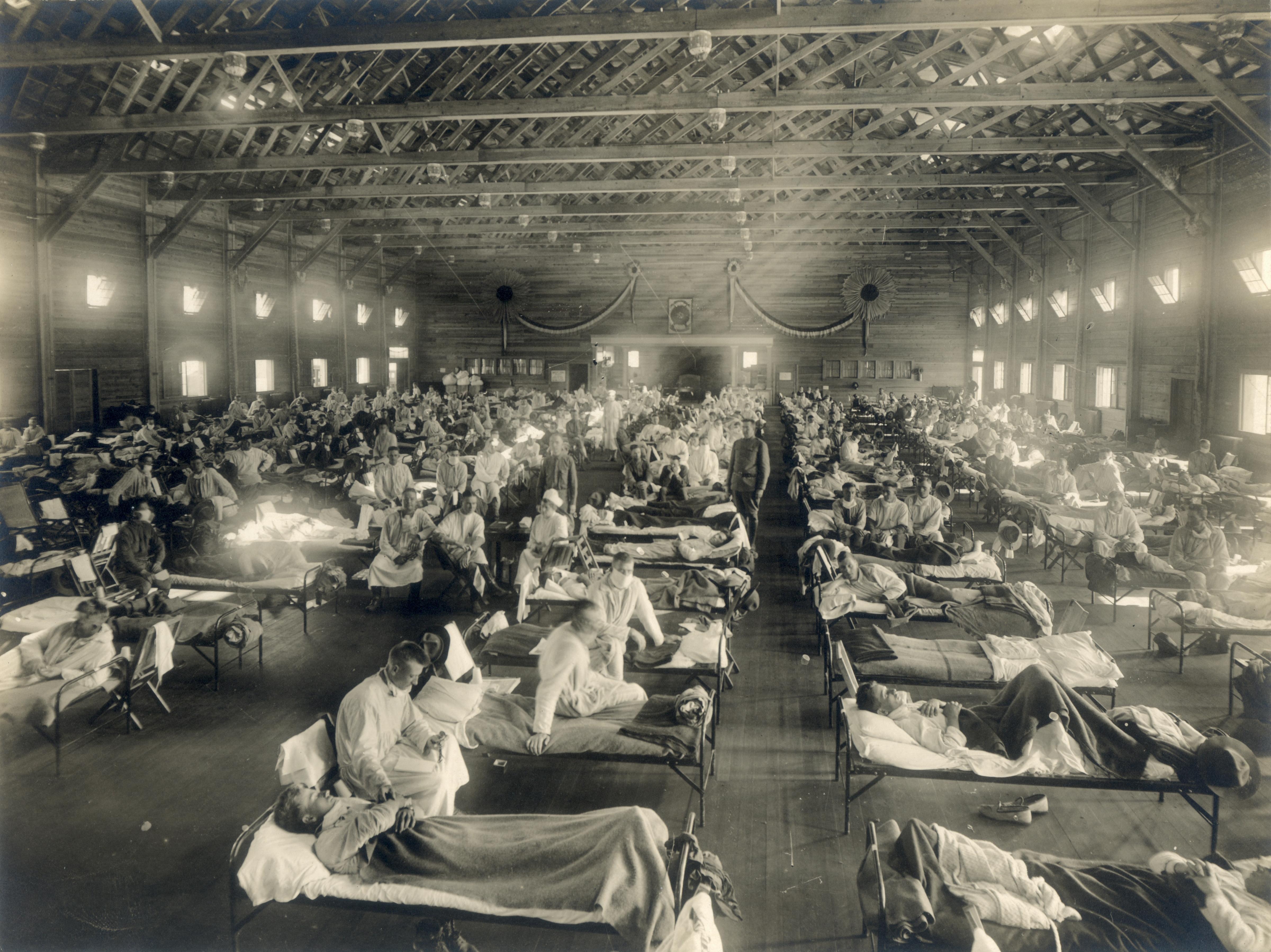
The Spanish flu pandemic, also known as the Great Influenza epidemic, was a global outbreak caused by the H1N1 subtype of the influenza A virus, resulting in an estimated 500 million infections and 17-100 million deaths between 1918 and 1920. The pandemic occurred near the end of World War I, with the first cases documented in March 1918 in Haskell County, Kansas, and further cases recorded in France, Germany, and the United Kingdom in April. The pandemic's high mortality rate was exacerbated by wartime conditions, including overcrowding, malnutrition, and poor healthcare. The Spanish flu pandemic remains one of the deadliest natural disasters in human history, with a significant impact on global health, economy, and society. The pandemic led to significant advances in public health, including the development of vaccines, improved sanitation, and enhanced global surveillance. Today, the Spanish flu pandemic serves as a reminder of the importance of preparedness, global cooperation, and investment in healthcare infrastructure to mitigate the impact of future pandemics.
🎵 Origins & History
The Spanish flu pandemic has its roots in the United States, where the first cases were documented in March 1918 in Haskell County, Kansas. The pandemic quickly spread to other parts of the world, including France, Germany, and the United Kingdom. The pandemic was exacerbated by wartime conditions, including overcrowding, malnutrition, and poor healthcare. The World War I had created a perfect storm for the spread of the disease, with millions of soldiers and civilians on the move, creating ideal conditions for the virus to spread. The pandemic was further complicated by the lack of effective treatments and the limited understanding of the virus at the time.
⚙️ How It Spread
The Spanish flu pandemic spread rapidly due to a combination of factors, including the lack of immunity in the population, the high infectivity of the virus, and the widespread use of trenches and other crowded military facilities. The pandemic was also facilitated by the movement of soldiers and civilians during World War I, which allowed the virus to spread quickly across the globe. The virus was highly contagious and airborne, making it easy to spread in crowded areas such as hospitals, schools, and public transportation. The pandemic was further exacerbated by the lack of effective treatments and the limited understanding of the virus at the time.
📊 Key Facts & Numbers
The Spanish flu pandemic had a significant impact on global health, with an estimated 500 million people infected and 17-100 million deaths. The pandemic was one of the deadliest natural disasters in human history, with a significant impact on global economy and society. The pandemic led to significant advances in public health, including the development of vaccines, improved sanitation, and enhanced global surveillance. The pandemic also led to significant changes in the way that healthcare is delivered, including the development of intensive care units and the use of personal protective equipment. The pandemic had a significant impact on the global economy, with estimates suggesting that it reduced global economic output by as much as 6%.
👥 Key People & Organizations
The Spanish flu pandemic involved a number of key people and organizations, including CDC, WHO, and NIH. The pandemic was also influenced by a number of historical figures, including Woodrow Wilson and David Lloyd George. The pandemic was further complicated by the lack of effective treatments and the limited understanding of the virus at the time. The pandemic led to significant advances in public health, including the development of vaccines and improved sanitation. The pandemic also led to significant changes in the way that healthcare is delivered, including the development of intensive care units and the use of personal protective equipment.
🌍 Cultural Impact & Influence
The Spanish flu pandemic had a significant cultural impact, with the pandemic being referenced in a number of works of literature, including The Great Gatsby and Mrs. Dalloway. The pandemic also had a significant impact on the way that people lived and worked, with many people changing their behavior to avoid infection. The pandemic led to significant advances in public health, including the development of vaccines and improved sanitation. The pandemic also led to significant changes in the way that healthcare is delivered, including the development of intensive care units and the use of personal protective equipment. The pandemic had a significant impact on the global economy, with estimates suggesting that it reduced global economic output by as much as 6%.
⚡ Current State & Latest Developments
Today, the Spanish flu pandemic serves as a reminder of the importance of preparedness, global cooperation, and investment in healthcare infrastructure to mitigate the impact of future pandemics. The pandemic led to significant advances in public health, including the development of vaccines and improved sanitation. The pandemic also led to significant changes in the way that healthcare is delivered, including the development of intensive care units and the use of personal protective equipment. The pandemic had a significant impact on the global economy, with estimates suggesting that it reduced global economic output by as much as 6%. The pandemic also led to significant changes in the way that people lived and worked, with many people changing their behavior to avoid infection.
🤔 Controversies & Debates
The Spanish flu pandemic is still a topic of debate and controversy, with some arguing that the pandemic was caused by a combination of factors, including the lack of immunity in the population, the high infectivity of the virus, and the widespread use of trenches and other crowded military facilities. Others argue that the pandemic was caused by a single factor, such as the virus itself or the lack of effective treatments. The pandemic is also a topic of discussion in terms of its impact on global health, with some arguing that it led to significant advances in public health, including the development of vaccines and improved sanitation. Others argue that the pandemic had a significant impact on the global economy, with estimates suggesting that it reduced global economic output by as much as 6%.
🔮 Future Outlook & Predictions
Looking to the future, the Spanish flu pandemic serves as a reminder of the importance of preparedness, global cooperation, and investment in healthcare infrastructure to mitigate the impact of future pandemics. The pandemic led to significant advances in public health, including the development of vaccines and improved sanitation. The pandemic also led to significant changes in the way that healthcare is delivered, including the development of intensive care units and the use of personal protective equipment. The pandemic had a significant impact on the global economy, with estimates suggesting that it reduced global economic output by as much as 6%. The pandemic also led to significant changes in the way that people lived and worked, with many people changing their behavior to avoid infection.
💡 Practical Applications
The Spanish flu pandemic has a number of practical applications, including the development of vaccines and improved sanitation. The pandemic also led to significant changes in the way that healthcare is delivered, including the development of intensive care units and the use of personal protective equipment. The pandemic had a significant impact on the global economy, with estimates suggesting that it reduced global economic output by as much as 6%. The pandemic also led to significant changes in the way that people lived and worked, with many people changing their behavior to avoid infection. The pandemic serves as a reminder of the importance of preparedness, global cooperation, and investment in healthcare infrastructure to mitigate the impact of future pandemics.
Key Facts
- Year
- 1918-1920
- Origin
- Haskell County, Kansas, United States
- Category
- public-health
- Type
- event
Frequently Asked Questions
What was the cause of the Spanish flu pandemic?
The Spanish flu pandemic was caused by the H1N1 subtype of the influenza A virus. The pandemic occurred near the end of World War I, and was exacerbated by wartime conditions, including overcrowding, malnutrition, and poor healthcare. The pandemic was also facilitated by the movement of soldiers and civilians during World War I, which allowed the virus to spread quickly across the globe.
How many people were infected and killed by the Spanish flu pandemic?
The Spanish flu pandemic infected an estimated 500 million people and killed between 17 million and 100 million people worldwide. The pandemic was one of the deadliest natural disasters in human history, with a significant impact on global health and economy.
What were the long-term effects of the Spanish flu pandemic?
The Spanish flu pandemic had a significant impact on global health and economy, with estimates suggesting that it reduced global economic output by as much as 6%. The pandemic also led to significant changes in the way that healthcare is delivered, including the development of intensive care units and the use of personal protective equipment. The pandemic serves as a reminder of the importance of preparedness, global cooperation, and investment in healthcare infrastructure to mitigate the impact of future pandemics.
How did the Spanish flu pandemic affect different parts of the world?
The Spanish flu pandemic affected different parts of the world in varying ways, with some countries experiencing higher mortality rates than others. The pandemic was particularly devastating in India, where it is estimated that between 10 million and 20 million people died. The pandemic also had a significant impact on the global economy, with estimates suggesting that it reduced global economic output by as much as 6%.
What can be done to prevent and mitigate the impact of future pandemics?
To prevent and mitigate the impact of future pandemics, it is essential to invest in healthcare infrastructure, including the development of vaccines and improved sanitation. It is also important to promote global cooperation and preparedness, including the sharing of information and resources. The Spanish flu pandemic serves as a reminder of the importance of these efforts, and highlights the need for continued investment in public health and healthcare infrastructure.
How does the Spanish flu pandemic compare to other pandemics in history?
The Spanish flu pandemic was one of the deadliest natural disasters in human history, with a significant impact on global health and economy. The pandemic was similar to other pandemics, such as the Black Death and the AIDS pandemic, in terms of its widespread impact and high mortality rate. However, the Spanish flu pandemic was unique in terms of its rapid spread and high infectivity, which were facilitated by the movement of soldiers and civilians during World War I.
What are some of the key lessons that can be learned from the Spanish flu pandemic?
Some of the key lessons that can be learned from the Spanish flu pandemic include the importance of preparedness, global cooperation, and investment in healthcare infrastructure. The pandemic also highlights the need for continued investment in public health and healthcare infrastructure, including the development of vaccines and improved sanitation. Additionally, the pandemic serves as a reminder of the importance of promoting global cooperation and sharing information and resources to mitigate the impact of future pandemics.