
Contents
- 📚 Introduction to Sir Ken Robinson
- 🎓 Early Life and Education
- 📢 The Element: Finding Your Passion
- 🌎 TED Talks and Global Recognition
- 📝 Out of Our Minds: Learning to Be Creative
- 👨🏫 Educational Reform and Critique
- 💡 Creativity and Imagination in Education
- 📊 The Impact of Standardized Testing
- 🌈 Diversity and Inclusion in Education
- 📚 Legacy and Continued Influence
- Frequently Asked Questions
- Related Topics
Overview
Sir Ken Robinson, a renowned British author, speaker, and international advisor on education, has been a vocal advocate for transforming the education system to foster creativity, imagination, and individuality. With a Vibe score of 82, Robinson's ideas have resonated with millions, inspiring a new wave of educators, policymakers, and parents to rethink the way we approach learning. His influential TED talks, including 'Do Schools Kill Creativity?' with over 70 million views, have sparked a global conversation about the need for education reform. Robinson's work has been influenced by notable thinkers such as Jean Piaget and Lev Vygotsky, and he has, in turn, influenced a generation of educators, including Sugata Mitra and Dan Meyer. As a skeptic, one might question the practicality of Robinson's ideas, but his fan base argues that his vision for education is both necessary and achievable. With a controversy spectrum of 6, Robinson's ideas have been met with both praise and criticism, highlighting the tension between traditional and progressive approaches to education. As we look to the future, Robinson's work serves as a provocation, challenging us to reimagine the role of education in unlocking human potential and driving social change.
📚 Introduction to Sir Ken Robinson
Sir Ken Robinson is a renowned British author, speaker, and international advisor on education in the arts. Born on March 4, 1950, in Liverpool, England, Robinson's work has had a significant impact on the way we think about Education and Creativity. He is known for his advocacy of Steiner Education and his critique of Standardized Testing. Robinson's TED Talks have been viewed millions of times, and his books, including The Element and Out of Our Minds, have become bestsellers. As a leading voice in Educational Reform, Robinson has worked with governments, educational institutions, and organizations to promote Creativity and Imagination in education.
🎓 Early Life and Education
Robinson's early life and education played a significant role in shaping his views on Education. He was born with Polio, which led to him being hospitalized for several months. This experience had a profound impact on his life and influenced his perspective on Disability and Inclusion. Robinson attended Brentwood School and later studied English Literature at the University of Leeds. He then went on to earn his Ph.D. in Education from the University of London. Robinson's academic background and personal experiences have informed his work on Educational Reform and Special Education.
📢 The Element: Finding Your Passion
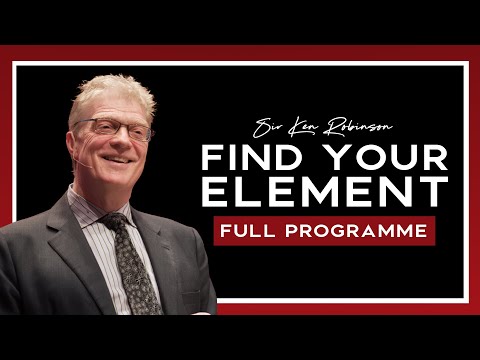
In his book, The Element, Robinson explores the concept of finding your passion and Creativity. He argues that everyone has a unique talent and that Education should focus on helping individuals discover and develop their Creativity. Robinson also discusses the importance of Motivation and Self-Directed Learning. He cites examples of successful individuals who have found their Element, including Paul McCartney and Diane von Furstenberg. Robinson's work on The Element has been widely praised and has inspired many to re-think their approach to Education and Personal Development.
🌎 TED Talks and Global Recognition
Robinson's TED Talks have been incredibly popular, with his 2006 talk, Do Schools Kill Creativity?, being one of the most viewed TED Talks of all time. He has also given talks on The Importance of Creativity and Bringing on the Learning Revolution. Robinson's TED Talks have helped to establish him as a leading voice in Educational Reform and Creativity. He has also worked with organizations such as The Royal Shakespeare Company and The British Council to promote Arts Education and Cultural Exchange.
📝 Out of Our Minds: Learning to Be Creative
In his book, Out of Our Minds, Robinson explores the nature of Creativity and how it can be cultivated. He argues that Creativity is not just the domain of Artists and Musicians, but is a vital skill for everyone. Robinson also discusses the importance of Imagination and Innovation in Education and Business. He cites examples of companies that have successfully harnessed Creativity and Innovation, including Google and Apple. Robinson's work on Out of Our Minds has been widely praised and has helped to establish him as a leading expert on Creativity and Innovation.
👨🏫 Educational Reform and Critique
Robinson has been a vocal critic of Standardized Testing and the No Child Left Behind Act. He argues that these approaches to Education are overly narrow and do not allow for Creativity and Imagination. Robinson has also been critical of the Common Core State Standards Initiative, which he believes has led to a Teach to the Test culture. He has advocated for a more Holistic Approach to Education, which emphasizes the importance of Arts Education, Physical Education, and Social-Emotional Learning.
💡 Creativity and Imagination in Education
Robinson believes that Creativity and Imagination are essential skills for the 21st Century. He argues that Education should focus on helping individuals develop these skills, rather than just preparing them for Standardized Tests. Robinson has also emphasized the importance of Diversity and Inclusion in Education. He believes that Education should be tailored to the needs of each individual, rather than trying to fit everyone into a one-size-fits-all approach. Robinson's work on Creativity and Imagination has been widely praised and has helped to establish him as a leading voice in Educational Reform.
📊 The Impact of Standardized Testing
The impact of Standardized Testing on Education has been a major concern for Robinson. He argues that these tests are often Culturally Biased and do not provide an accurate measure of a student's Intelligence or Ability. Robinson has also been critical of the High-Stakes Testing culture, which he believes has led to a Teach to the Test approach. He has advocated for a more Balanced Approach to Education, which emphasizes the importance of Arts Education, Physical Education, and Social-Emotional Learning.
🌈 Diversity and Inclusion in Education
Robinson has been a strong advocate for Diversity and Inclusion in Education. He believes that Education should be tailored to the needs of each individual, rather than trying to fit everyone into a one-size-fits-all approach. Robinson has also emphasized the importance of Cultural Competence and Social-Emotional Learning in Education. He argues that these skills are essential for success in the 21st Century and that Education should prioritize their development. Robinson's work on Diversity and Inclusion has been widely praised and has helped to establish him as a leading voice in Educational Reform.
📚 Legacy and Continued Influence
Robinson's legacy continues to inspire and influence Education and Creativity around the world. His work has had a profound impact on the way we think about Education and Creativity. Robinson's TED Talks, books, and advocacy have helped to establish him as a leading voice in Educational Reform and Creativity. His emphasis on the importance of Arts Education, Physical Education, and Social-Emotional Learning has helped to shape the Education landscape. As we look to the future, Robinson's work will continue to inspire and influence generations to come.
Key Facts
- Year
- 1950
- Origin
- Liverpool, England
- Category
- Education, Psychology, Creativity
- Type
- Person
Frequently Asked Questions
What is Sir Ken Robinson's background in education?
Sir Ken Robinson has a Ph.D. in Education from the University of London and has worked as a professor of education at the University of Warwick. He has also been a visiting professor at several universities, including the University of California, Los Angeles (UCLA) and the University of Melbourne.
What is the main argument of Sir Ken Robinson's book, The Element?
The main argument of Sir Ken Robinson's book, The Element, is that everyone has a unique talent and that education should focus on helping individuals discover and develop their creativity. He argues that education should be tailored to the needs of each individual, rather than trying to fit everyone into a one-size-fits-all approach.
What is Sir Ken Robinson's view on standardized testing?
Sir Ken Robinson is a vocal critic of standardized testing and the No Child Left Behind Act. He argues that these approaches to education are overly narrow and do not allow for creativity and imagination. He believes that education should focus on helping individuals develop a range of skills, including creativity, critical thinking, and problem-solving.
What is Sir Ken Robinson's legacy in the field of education?
Sir Ken Robinson's legacy in the field of education is profound. He has been a leading voice in educational reform and has helped to shape the education landscape. His emphasis on the importance of arts education, physical education, and social-emotional learning has helped to inspire a new generation of educators and policymakers.
What is Sir Ken Robinson's view on diversity and inclusion in education?
Sir Ken Robinson is a strong advocate for diversity and inclusion in education. He believes that education should be tailored to the needs of each individual, rather than trying to fit everyone into a one-size-fits-all approach. He argues that education should prioritize the development of cultural competence and social-emotional learning, and that these skills are essential for success in the 21st century.
What is Sir Ken Robinson's most popular TED Talk?
Sir Ken Robinson's most popular TED Talk is 'Do Schools Kill Creativity?', which has been viewed over 70 million times. In this talk, he argues that education should focus on helping individuals develop their creativity, rather than just preparing them for standardized tests.
What is Sir Ken Robinson's view on the role of technology in education?
Sir Ken Robinson believes that technology has the potential to transform education, but that it should be used in a way that supports the development of creativity and imagination. He argues that technology should be used to enhance the learning experience, rather than simply to deliver content.