
Contents
- 🌿 Introduction to Shrubbery
- 🏞️ History of Shrubberies
- 🌸 Types of Shrubbery
- 🌳 English Landscape Garden
- 🏠 Shrub Borders in Smaller Gardens
- 🌻 Underplanting with Herbaceous Plants
- 🌴 Modern Shrubbery Designs
- 🌲 Woodland Gardens and Shrubbery
- 🌺 Shrubbery Maintenance and Care
- 🌟 Shrubbery in Contemporary Horticulture
- 🌱 Future of Shrubbery
- Frequently Asked Questions
- Related Topics
Overview
Shrubbery, often overlooked in favor of showier flora, has been a cornerstone of human civilization for millennia, with ancient cultures like the Egyptians and Greeks revering shrubs for their medicinal, spiritual, and aesthetic value. The Vibepedia database reveals a Vibe score of 42 for shrubbery, indicating a moderate level of cultural energy. Today, shrubs play a critical role in environmental conservation, with species like the Rhododendron and Azalea serving as keystone species in their ecosystems. However, the increasing popularity of shrubbery in urban landscaping has also raised concerns about water consumption and the spread of invasive species. As the world grapples with the challenges of climate change, shrubbery is poised to become an increasingly important component of sustainable land management practices. With over 10,000 known species, shrubbery is a topic of immense complexity and fascination, inviting further exploration and debate.
🌿 Introduction to Shrubbery
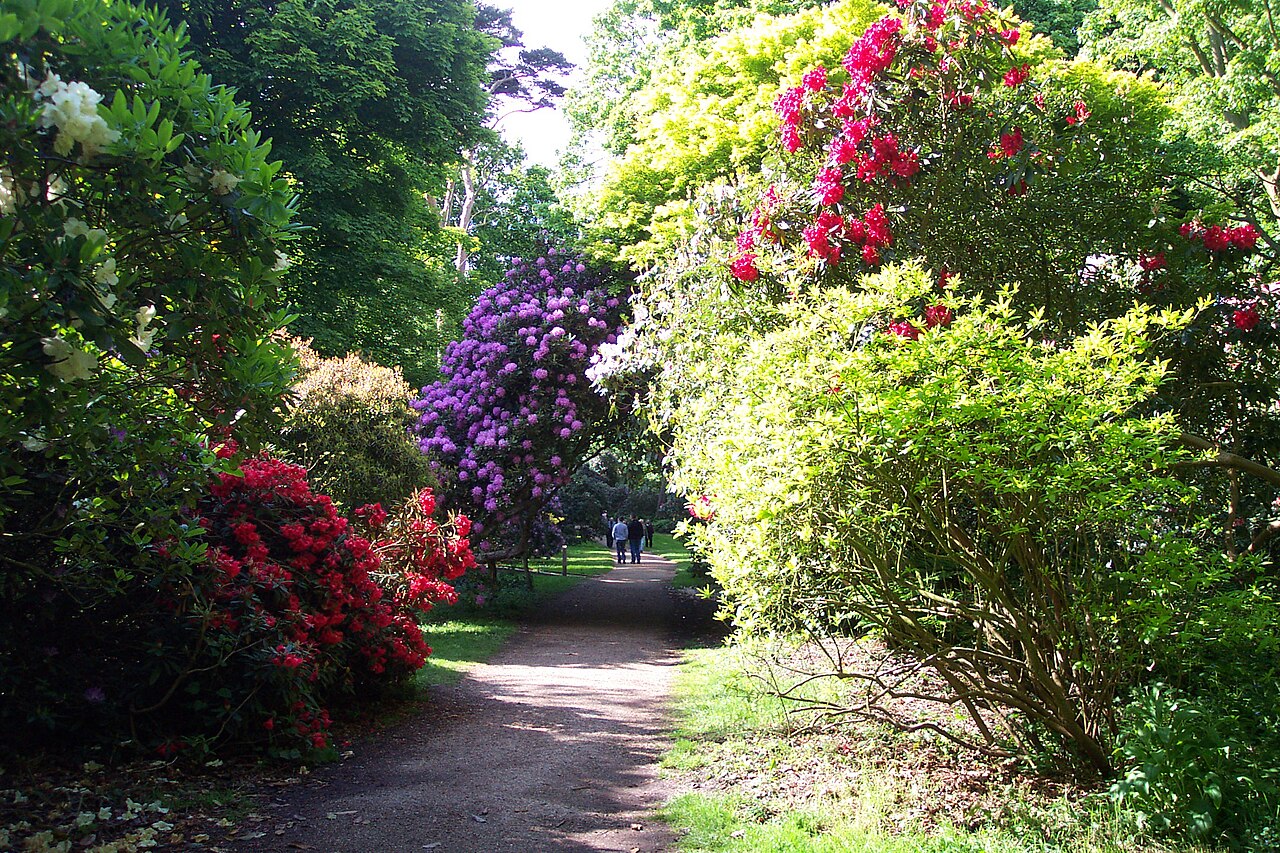
Shrubbery, a term often overlooked in modern horticulture, refers to a specific part of a garden where shrubs, mostly flowering species, are densely planted. This concept has been around for centuries, with the original shrubberies being sections of large gardens, featuring winding paths and a mix of plant species. To understand the significance of shrubbery, it's essential to explore its history and evolution, including the influence of the English Landscape Garden and the role of herbaceous plants in underplanting. The history of gardening also plays a crucial role in shaping the concept of shrubbery, with various styles and designs emerging over time.
🏞️ History of Shrubberies
The history of shrubberies dates back to the 18th century, when they were a staple of large English gardens. These original shrubberies were designed to provide a natural, serene atmosphere, with winding paths and a variety of plant species. The English Landscape Garden movement, led by designers like Lancelot Brown, played a significant role in popularizing the concept of shrubbery. As the fashion spread to smaller gardens, the design and purpose of shrubberies evolved, incorporating new plant species and techniques, such as underplanting with smaller herbaceous flowering plants. The garden design principles of the time also influenced the development of shrubberies, with a focus on creating a sense of harmony and balance.
🌸 Types of Shrubbery
There are various types of shrubberies, each with its unique characteristics and purposes. Some shrubberies are designed to provide a natural screen or barrier, while others are intended to be decorative, featuring a mix of flowering shrubs and other plant species. The types of shrubs used in shrubberies also vary, with some gardens featuring native species and others incorporating imported ornamental varieties. The garden maintenance requirements for shrubberies also differ, depending on the specific plants and design used. For example, shrubberies with native plants may require less maintenance than those with non-native species.
🌳 English Landscape Garden
The English Landscape Garden movement had a profound impact on the development of shrubberies. This style, which emerged in the 18th century, emphasized the creation of natural, serene landscapes, often featuring winding paths, lakes, and a variety of plant species. The English Landscape Garden movement also influenced the design of smaller gardens, with shrub borders and underplanting becoming popular features. The history of landscape design also played a role in shaping the concept of shrubbery, with various designers and architects contributing to its evolution. The influence of English Landscape Garden can still be seen in modern garden designs, with many gardens incorporating elements of this style.
🏠 Shrub Borders in Smaller Gardens
As the fashion for shrubberies spread to smaller gardens, the design and purpose of these gardens evolved. Shrub borders, which were originally used to cover up walls and fences, became a popular feature in smaller gardens. These borders were typically underplanted with smaller herbaceous flowering plants, creating a layered, textured effect. The small garden design principles of the time also influenced the development of shrubberies, with a focus on creating a sense of intimacy and coziness. The use of shrubs in small gardens also became more popular, with many gardeners using shrubs to create a sense of privacy and seclusion.
🌻 Underplanting with Herbaceous Plants
Underplanting with herbaceous plants is a key feature of many shrubberies. This technique involves planting smaller, flowering plants beneath the shrubs, creating a layered, textured effect. The herbaceous plants used in underplanting can vary, but often include species like hostas, daylilies, and creeping thyme. The benefits of underplanting include creating a more diverse, dynamic landscape, as well as providing a habitat for various wildlife species. The maintenance of underplanting also requires careful consideration, with gardeners needing to balance the needs of the shrubs and herbaceous plants.
🌴 Modern Shrubbery Designs
Modern shrubbery designs often blend shrubs, trees, and smaller plants together, creating a diverse, dynamic landscape. This approach, which emphasizes the importance of layering and texture, has become popular in many contemporary gardens. The modern garden design principles of the time also influence the development of shrubberies, with a focus on creating a sense of harmony and balance. The use of native plants in modern shrubberies also became more popular, with many gardeners using native species to create a sense of authenticity and connection to the local environment.
🌲 Woodland Gardens and Shrubbery
Woodland gardens, which often feature a mix of shrubs, trees, and smaller plants, have become a popular trend in contemporary horticulture. These gardens, which are designed to mimic the natural landscape, often incorporate native species and emphasize the importance of layering and texture. The woodland garden design principles of the time also influence the development of shrubberies, with a focus on creating a sense of intimacy and coziness. The benefits of woodland gardens include creating a habitat for various wildlife species, as well as providing a sense of tranquility and relaxation.
🌺 Shrubbery Maintenance and Care
Shrubbery maintenance and care are essential for ensuring the health and longevity of these gardens. This includes regular pruning, watering, and fertilization, as well as monitoring for pests and diseases. The shrub maintenance requirements for shrubberies also differ, depending on the specific plants and design used. For example, shrubberies with drought-tolerant plants may require less watering than those with non-drought-tolerant species. The importance of pruning also cannot be overstated, with regular pruning helping to maintain the shape and health of the shrubs.
🌟 Shrubbery in Contemporary Horticulture
Shrubbery has become an essential component of contemporary horticulture, with many gardeners and designers incorporating shrubs into their designs. The contemporary garden design principles of the time also influence the development of shrubberies, with a focus on creating a sense of harmony and balance. The use of shrubs in contemporary gardens also became more popular, with many gardeners using shrubs to create a sense of privacy and seclusion. The future of shrubbery looks bright, with many gardeners and designers continuing to innovate and experiment with new shrubbery designs and techniques.
🌱 Future of Shrubbery
As we look to the future of shrubbery, it's essential to consider the role that these gardens will play in shaping the landscape of contemporary horticulture. With the increasing emphasis on sustainability and environmentalism, shrubberies are likely to become even more popular, as gardeners and designers seek to create natural, low-maintenance landscapes. The sustainable gardening principles of the time also influence the development of shrubberies, with a focus on creating a sense of harmony and balance with the environment. The impact of climate change on shrubberies also requires careful consideration, with gardeners needing to adapt to changing weather patterns and temperatures.
Key Facts
- Year
- 2023
- Origin
- Ancient Civilizations
- Category
- Botany
- Type
- Plant
Frequently Asked Questions
What is a shrubbery?
A shrubbery is a part of a garden where shrubs, mostly flowering species, are thickly planted. The original shrubberies were mostly sections of large gardens, with one or more paths winding through it. Shrubberies can be designed to provide a natural screen or barrier, or to be decorative, featuring a mix of flowering shrubs and other plant species. The history of shrubbery also plays a crucial role in understanding the concept, with various styles and designs emerging over time. For example, the English Landscape Garden movement had a significant impact on the development of shrubberies.
What are the benefits of underplanting with herbaceous plants?
Underplanting with herbaceous plants can create a more diverse, dynamic landscape, as well as provide a habitat for various wildlife species. The benefits of underplanting include creating a sense of layering and texture, as well as providing a natural, low-maintenance landscape. The herbaceous plants used in underplanting can vary, but often include species like hostas, daylilies, and creeping thyme. The maintenance of underplanting also requires careful consideration, with gardeners needing to balance the needs of the shrubs and herbaceous plants.
How do I maintain my shrubbery?
Shrubbery maintenance and care are essential for ensuring the health and longevity of these gardens. This includes regular pruning, watering, and fertilization, as well as monitoring for pests and diseases. The shrub maintenance requirements for shrubberies also differ, depending on the specific plants and design used. For example, shrubberies with drought-tolerant plants may require less watering than those with non-drought-tolerant species. The importance of pruning also cannot be overstated, with regular pruning helping to maintain the shape and health of the shrubs.
What is the future of shrubbery?
The future of shrubbery looks bright, with many gardeners and designers continuing to innovate and experiment with new shrubbery designs and techniques. With the increasing emphasis on sustainability and environmentalism, shrubberies are likely to become even more popular, as gardeners and designers seek to create natural, low-maintenance landscapes. The sustainable gardening principles of the time also influence the development of shrubberies, with a focus on creating a sense of harmony and balance with the environment. The impact of climate change on shrubberies also requires careful consideration, with gardeners needing to adapt to changing weather patterns and temperatures.
What are the different types of shrubberies?
There are various types of shrubberies, each with its unique characteristics and purposes. Some shrubberies are designed to provide a natural screen or barrier, while others are intended to be decorative, featuring a mix of flowering shrubs and other plant species. The types of shrubs used in shrubberies also vary, with some gardens featuring native species and others incorporating imported ornamental varieties. The garden maintenance requirements for shrubberies also differ, depending on the specific plants and design used.
How do I design a shrubbery?
Designing a shrubbery requires careful consideration of the specific plants and design used. This includes selecting the right shrubs and herbaceous plants, as well as creating a sense of layering and texture. The garden design principles of the time also influence the development of shrubberies, with a focus on creating a sense of harmony and balance. The use of native plants in modern shrubberies also became more popular, with many gardeners using native species to create a sense of authenticity and connection to the local environment.
What are the benefits of using native plants in shrubberies?
Using native plants in shrubberies can create a sense of authenticity and connection to the local environment. The benefits of native plants include creating a natural, low-maintenance landscape, as well as providing a habitat for various wildlife species. The native plants used in shrubberies can vary, but often include species like oak trees, maple trees, and wildflowers. The maintenance of native plants also requires careful consideration, with gardeners needing to balance the needs of the native plants and the shrubs.