
Contents
- 🐟 Origins & History
- 🔍 How It Works
- 📊 Key Facts & Numbers
- 👥 Key People & Organizations
- 🌍 Cultural Impact & Influence
- ⚡ Current State & Latest Developments
- 🤔 Controversies & Debates
- 🔮 Future Outlook & Predictions
- 💡 Practical Applications
- 📚 Related Topics & Deeper Reading
- Frequently Asked Questions
- References
- Related Topics
Overview
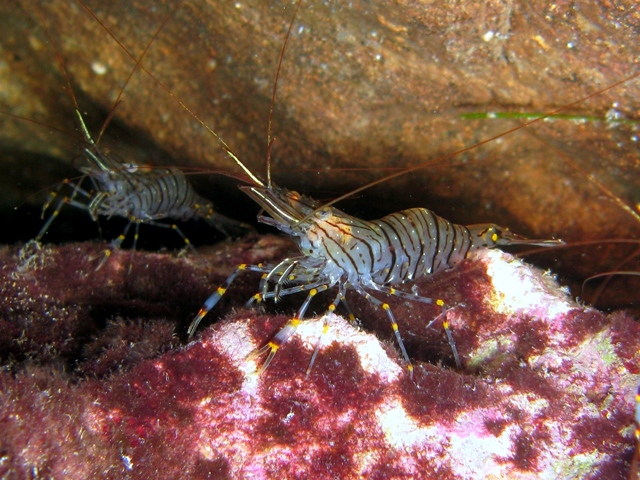
Shrimp are a type of crustacean characterized by their elongated body and swimming mode of locomotion, typically belonging to the Caridea or Dendrobranchiata orders. With over 2,000 species, shrimp can be found in both freshwater and marine environments, playing a crucial role in the aquatic food chain. They are a popular food source for humans, with the global shrimp market valued at over $40 billion annually. Shrimp are also an essential part of the ecosystem, serving as a food source for numerous other animals, from small fish to large marine mammals. According to the Food and Agriculture Organization of the United Nations, shrimp are one of the most widely traded seafood products, with the United States, China, and Japan being among the top consumers. The National Oceanic and Atmospheric Administration (NOAA) estimates that the global shrimp population is declining due to overfishing and habitat destruction, highlighting the need for sustainable fishing practices and conservation efforts.
🐟 Origins & History
Shrimp have been a part of human cuisine for thousands of years, with evidence of shrimp fishing dating back to ancient civilizations such as the Egyptians and Greeks. The modern shrimp industry, however, is a relatively recent development, with the first commercial shrimp fisheries emerging in the early 20th century. Today, shrimp are farmed and caught in over 100 countries, with the Thailand and Indonesia being among the top shrimp-producing nations. The World Wildlife Fund (WWF) estimates that over 50% of the world's shrimp are caught using unsustainable fishing practices, highlighting the need for more responsible and environmentally-friendly fishing methods.
🔍 How It Works
Shrimp are characterized by their unique body structure, which includes a hard exoskeleton, multiple limbs, and a pair of large claws. They have a highly developed nervous system and are capable of complex behaviors such as communication and social interaction. Shrimp are also incredibly diverse, with over 2,000 species ranging in size, color, and shape. The Smithsonian Institution has identified shrimp as one of the most diverse groups of animals on the planet, with new species still being discovered today.
📊 Key Facts & Numbers
The global shrimp market is a significant industry, with over 4 million tons of shrimp being produced annually. The International Monetary Fund (IMF) estimates that the global shrimp trade is worth over $40 billion annually, making it one of the most valuable seafood products in the world. Shrimp are also an important part of the ecosystem, serving as a food source for numerous other animals, from small fish to large marine mammals. The National Marine Fisheries Service (NMFS) estimates that shrimp are a crucial component of the marine food chain, with many species relying on them as a primary source of nutrition.
👥 Key People & Organizations
Key people and organizations involved in the shrimp industry include the National Shrimp Council, the Shrimp Farmers Association, and the World Shrimp Federation. These organizations work to promote sustainable shrimp farming and fishing practices, as well as to advocate for the interests of shrimp farmers and fishermen. The United Nations Food and Agriculture Organization (FAO) also plays a crucial role in promoting sustainable shrimp production and trade.
🌍 Cultural Impact & Influence
Shrimp have had a significant cultural impact, particularly in coastal communities where they are a staple food source. In many cultures, shrimp are considered a delicacy and are often served at special occasions such as weddings and holidays. The James Beard Foundation estimates that shrimp are one of the most popular seafood products in the United States, with over 1 billion pounds of shrimp being consumed annually. Shrimp are also an important part of the economy, with many communities relying on the shrimp industry for employment and income.
⚡ Current State & Latest Developments
The current state of the shrimp industry is complex and multifaceted. On the one hand, the demand for shrimp is increasing, driven by growing consumer interest in seafood and the expansion of the global middle class. On the other hand, the shrimp industry is facing numerous challenges, including overfishing, habitat destruction, and the impacts of climate change. The Intergovernmental Panel on Climate Change (IPCC) estimates that climate change could have a significant impact on the shrimp industry, with rising temperatures and ocean acidification affecting shrimp populations and habitats.
🤔 Controversies & Debates
There are several controversies and debates surrounding the shrimp industry, including concerns over the environmental impact of shrimp farming and the use of slave labor in some shrimp fisheries. The Human Rights Watch estimates that thousands of people are forced to work in slave-like conditions in the shrimp industry, highlighting the need for greater transparency and accountability. The World Wildlife Fund (WWF) also estimates that over 50% of the world's shrimp are caught using unsustainable fishing practices, highlighting the need for more responsible and environmentally-friendly fishing methods.
🔮 Future Outlook & Predictions
The future outlook for the shrimp industry is uncertain, with many factors affecting the sustainability and profitability of shrimp production and trade. The Food and Agriculture Organization (FAO) estimates that the global shrimp market is expected to continue growing, driven by increasing demand from emerging markets and the expansion of the global middle class. However, the shrimp industry will need to address the numerous challenges it faces, including overfishing, habitat destruction, and the impacts of climate change.
💡 Practical Applications
Shrimp have numerous practical applications, including as a food source, a source of income for fishermen and farmers, and as a component of the ecosystem. The National Oceanic and Atmospheric Administration (NOAA) estimates that shrimp are a crucial component of the marine food chain, with many species relying on them as a primary source of nutrition. Shrimp are also an important part of the economy, with many communities relying on the shrimp industry for employment and income.
Key Facts
- Year
- 2020
- Origin
- Global
- Category
- nutrition
- Type
- concept
Frequently Asked Questions
What is a shrimp?
A shrimp is a type of crustacean characterized by its elongated body and swimming mode of locomotion. According to the National Oceanic and Atmospheric Administration (NOAA), shrimp are one of the most diverse groups of animals on the planet, with over 2,000 species. Shrimp can be found in both freshwater and marine environments and are an important part of the ecosystem, serving as a food source for numerous other animals.
Where are shrimp found?
Shrimp are found in oceans and seas around the world, as well as in freshwater lakes and rivers. The Food and Agriculture Organization (FAO) estimates that shrimp are one of the most widely distributed seafood products, with over 100 countries producing shrimp. Shrimp are also farmed in many countries, with Thailand and Indonesia being among the top shrimp-producing nations.
What is the global shrimp market worth?
The global shrimp market is worth over $40 billion annually, according to the International Monetary Fund (IMF). The United Nations estimates that the global seafood industry is worth over $150 billion annually, making it one of the most valuable industries in the world. Shrimp are a crucial component of the marine food chain, with many species relying on them as a primary source of nutrition.
Are shrimp sustainable?
The sustainability of shrimp depends on the fishing or farming methods used. Some shrimp fisheries and farms use sustainable practices, while others may have negative environmental impacts. The World Wildlife Fund (WWF) estimates that over 50% of the world's shrimp are caught using unsustainable fishing practices, highlighting the need for more responsible and environmentally-friendly fishing methods. The National Oceanic and Atmospheric Administration (NOAA) also estimates that shrimp are a crucial component of the marine food chain, with many species relying on them as a primary source of nutrition.
What are the health benefits of eating shrimp?
Shrimp are a good source of protein, low in fat, and rich in nutrients like selenium and vitamin B12. The National Institutes of Health (NIH) estimates that shrimp are one of the most nutritious seafood products, with a single serving providing over 100% of the daily recommended intake of selenium. However, shrimp can also be high in cholesterol and may contain contaminants like mercury or PCBs, highlighting the need for responsible and sustainable fishing practices.
How are shrimp farmed?
Shrimp are farmed in a variety of ways, including in ponds, tanks, and cages. The Food and Agriculture Organization (FAO) estimates that shrimp farming is one of the fastest-growing sectors of the global seafood industry, with over 50% of the world's shrimp being farmed. Shrimp farming can have both positive and negative environmental impacts, depending on the methods used. The World Wildlife Fund (WWF) estimates that over 50% of the world's shrimp are caught using unsustainable fishing practices, highlighting the need for more responsible and environmentally-friendly fishing methods.
What is the future outlook for the shrimp industry?
The future outlook for the shrimp industry is uncertain, with many factors affecting the sustainability and profitability of shrimp production and trade. The Food and Agriculture Organization (FAO) estimates that the global shrimp market is expected to continue growing, driven by increasing demand from emerging markets and the expansion of the global middle class. However, the shrimp industry will need to address the numerous challenges it faces, including overfishing, habitat destruction, and the impacts of climate change. The Intergovernmental Panel on Climate Change (IPCC) estimates that climate change could have a significant impact on the shrimp industry, with rising temperatures and ocean acidification affecting shrimp populations and habitats.