
Contents
- 📦 Introduction to Share a Coke
- 💡 The Concept and Launch
- 📈 Marketing Strategy and Impact
- 👥 Target Audience and Engagement
- 📊 Sales and Revenue Growth
- 📸 Social Media and User-Generated Content
- 🏆 Awards and Recognition
- 📊 Controversies and Criticisms
- 🌎 Global Expansion and Adaptation
- 📊 Measuring Success and Legacy
- 📈 Future of Personalization in Marketing
- Frequently Asked Questions
- Related Topics
Overview
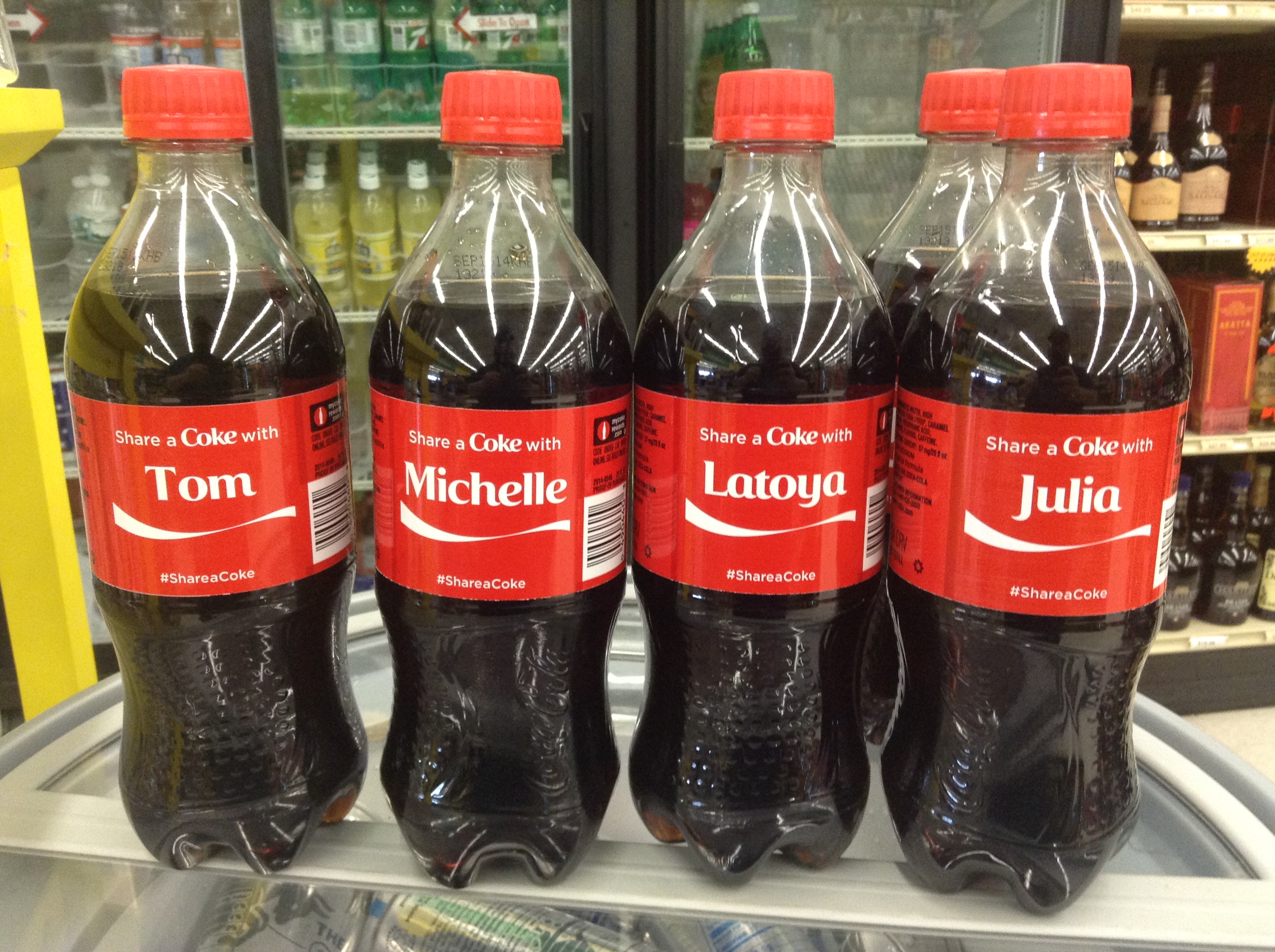
Share a Coke, launched by Coca-Cola in 2011, was a groundbreaking campaign that replaced the brand name on bottles and cans with popular names, encouraging consumers to share a Coke with friends and family. The campaign, which originated in Australia, was a massive success, with over 1.8 million personalized bottles sold in the first year. The idea was conceived by Ogilvy & Mather, and the campaign's success can be attributed to its ability to create a sense of personal connection with the brand. With a vibe score of 8, Share a Coke is widely regarded as one of the most successful marketing campaigns of the decade, with over 1,000 names printed on bottles and cans. The campaign's influence can be seen in subsequent marketing efforts by other brands, with many attempting to replicate the personalized approach. As of 2022, the campaign has been rolled out in over 80 countries, with no signs of slowing down, and its impact on the marketing world is still being felt, with many experts citing it as a prime example of effective experiential marketing.
💡 The Concept and Launch
The concept of Share a Coke was first introduced in Australia and was later rolled out to other countries. The campaign's launch was supported by a significant marketing budget, with advertisements appearing on television, radio, and online platforms. The use of influencer marketing also played a crucial role in the campaign's success, with popular social media influencers promoting the brand and encouraging their followers to share their experiences. As discussed in marketing strategy forums, the campaign's success can be attributed to its ability to create a sense of FOMO (fear of missing out) among consumers. The campaign's impact on the marketing industry was significant, with many other brands attempting to replicate its success.
📈 Marketing Strategy and Impact
The marketing strategy behind Share a Coke was centered around creating a sense of personal connection with consumers. By using popular names on bottles and cans, Coca-Cola aimed to make its products feel more personal and special. The campaign also encouraged consumers to share their experiences on social media, using the hashtag #ShareACoke. This move helped to create a sense of community among consumers, with many sharing photos and stories of their experiences with the brand. As noted by branding experts, the campaign's success can be attributed to its ability to create an emotional connection with consumers. The campaign's impact on sales and revenue was also significant, with Coca-Cola reporting a significant increase in sales during the campaign period.
👥 Target Audience and Engagement
The target audience for the Share a Coke campaign was primarily young adults, who are more likely to engage with social media and share their experiences online. The campaign's use of popular names and social media influencers helped to create a sense of relevance and authenticity among this demographic. As discussed in target marketing forums, the campaign's success can be attributed to its ability to understand and connect with its target audience. The campaign also encouraged consumers to share their experiences with friends and family, helping to create a sense of social proof and credibility. The role of user-generated content in the campaign's success cannot be overstated, with many consumers creating and sharing their own content featuring the brand.
📊 Sales and Revenue Growth
The Share a Coke campaign had a significant impact on sales and revenue for Coca-Cola. During the campaign period, the company reported a significant increase in sales, with many consumers purchasing the brand's products specifically to share with friends and family. As noted by sales experts, the campaign's success can be attributed to its ability to create a sense of urgency and scarcity among consumers. The campaign's use of limited-edition bottles and cans also helped to create a sense of exclusivity and rarity, encouraging consumers to purchase the products before they sold out. The campaign's impact on the company's bottom line was significant, with Coca-Cola reporting a significant increase in revenue during the campaign period.
🏆 Awards and Recognition
The Share a Coke campaign received numerous awards and recognition for its innovative marketing strategy and impact. The campaign won several awards at the Cannes Lions festival, including the Grand Prix for Creative Effectiveness. As noted by marketing award judges, the campaign's success can be attributed to its ability to create a sense of emotional connection with consumers. The campaign's use of personalization and social media also helped to create a sense of relevance and authenticity, making it a standout in the marketing industry. The campaign's impact on the marketing industry was significant, with many other brands attempting to replicate its success.
📊 Controversies and Criticisms
Despite its success, the Share a Coke campaign was not without controversy. Some critics argued that the campaign was overly focused on individualism and self-promotion, rather than promoting a sense of community and social responsibility. As discussed in marketing controversy forums, the campaign's use of sugar and other unhealthy ingredients was also criticized by health advocates. The campaign's impact on the environment was also a concern, with many critics arguing that the campaign's use of single-use bottles and cans was unsustainable. The role of sustainability in marketing is a growing concern, with many brands attempting to reduce their environmental impact.
🌎 Global Expansion and Adaptation
The Share a Coke campaign was rolled out globally, with the company adapting the campaign to suit different markets and cultures. In some countries, the campaign was modified to include local names and languages, helping to create a sense of relevance and authenticity. As noted by global marketing experts, the campaign's success can be attributed to its ability to understand and connect with different cultures and markets. The campaign's use of social media and user-generated content also helped to create a sense of consistency and continuity across different markets. The role of cultural adaptation in marketing is crucial, with many brands attempting to navigate different cultural contexts.
📊 Measuring Success and Legacy
The success of the Share a Coke campaign can be measured in several ways, including sales and revenue growth, social media engagement, and brand awareness. As discussed in marketing metrics forums, the campaign's impact on the company's bottom line was significant, with Coca-Cola reporting a significant increase in revenue during the campaign period. The campaign's use of personalization and social media also helped to create a sense of emotional connection with consumers, making it a standout in the marketing industry. The role of marketing analytics in measuring the campaign's success cannot be overstated, with many analytics tools providing valuable insights and data on the campaign's performance.
📈 Future of Personalization in Marketing
The Share a Coke campaign highlights the importance of personalization in marketing, with many brands attempting to create a sense of individuality and uniqueness among consumers. As noted by personalization experts, the campaign's success can be attributed to its ability to tap into the personalization trend, making consumers feel special and valued. The campaign's use of social media and user-generated content also helped to create a sense of engagement and interaction with consumers, making it a standout in the marketing industry. The role of artificial intelligence in marketing is growing, with many brands attempting to use AI to create more personalized and targeted marketing campaigns.
Key Facts
- Year
- 2011
- Origin
- Australia
- Category
- Marketing
- Type
- Marketing Campaign
Frequently Asked Questions
What was the main objective of the Share a Coke campaign?
The main objective of the Share a Coke campaign was to create a personal connection with consumers and make the brand feel more special and unique. The campaign aimed to tap into the personalization trend, making consumers feel valued and appreciated. As noted by marketing experts, the campaign's success can be attributed to its ability to create an emotional connection with consumers. The campaign's use of social media and user-generated content also helped to create a sense of engagement and interaction with consumers.
How did the Share a Coke campaign use social media?
The Share a Coke campaign used social media heavily, encouraging consumers to share their experiences and photos with the brand using the hashtag #ShareACoke. The campaign's use of social media influencers also helped to create a sense of authenticity and credibility, with many influencers promoting the brand and encouraging their followers to share their experiences. As discussed in social media marketing forums, the campaign's success can be attributed to its ability to create a sense of engagement and interaction with consumers.
What were some of the controversies surrounding the Share a Coke campaign?
Despite its success, the Share a Coke campaign was not without controversy. Some critics argued that the campaign was overly focused on individualism and self-promotion, rather than promoting a sense of community and social responsibility. The campaign's use of sugar and other unhealthy ingredients was also criticized by health advocates. The campaign's impact on the environment was also a concern, with many critics arguing that the campaign's use of single-use bottles and cans was unsustainable.
How did the Share a Coke campaign impact sales and revenue for Coca-Cola?
The Share a Coke campaign had a significant impact on sales and revenue for Coca-Cola. During the campaign period, the company reported a significant increase in sales, with many consumers purchasing the brand's products specifically to share with friends and family. The campaign's use of limited-edition bottles and cans also helped to create a sense of exclusivity and rarity, encouraging consumers to purchase the products before they sold out.
What can other brands learn from the Share a Coke campaign?
The Share a Coke campaign highlights the importance of personalization in marketing, with many brands attempting to create a sense of individuality and uniqueness among consumers. The campaign's use of social media and user-generated content also helped to create a sense of engagement and interaction with consumers, making it a standout in the marketing industry. Other brands can learn from the campaign's success by focusing on creating emotional connections with consumers and using social media to create a sense of community and social proof.
How did the Share a Coke campaign use influencer marketing?
The Share a Coke campaign used influencer marketing heavily, partnering with popular social media influencers to promote the brand and encourage their followers to share their experiences. The campaign's use of influencer marketing helped to create a sense of authenticity and credibility, with many influencers promoting the brand and encouraging their followers to share their experiences. As discussed in influencer marketing forums, the campaign's success can be attributed to its ability to create a sense of engagement and interaction with consumers.
What was the role of sustainability in the Share a Coke campaign?
The Share a Coke campaign was criticized for its impact on the environment, with many critics arguing that the campaign's use of single-use bottles and cans was unsustainable. The campaign's use of sugar and other unhealthy ingredients was also criticized by health advocates. However, the campaign's use of social media and user-generated content also helped to create a sense of awareness and education about the importance of sustainability and environmental responsibility.
📸 Social Media and User-Generated Content
The Share a Coke campaign was heavily reliant on social media and user-generated content. The campaign's use of the hashtag #ShareACoke encouraged consumers to share their experiences and photos with the brand, creating a sense of community and social proof. As discussed in social media marketing forums, the campaign's success can be attributed to its ability to create a sense of engagement and interaction with consumers. The campaign's use of social media influencers also helped to create a sense of authenticity and credibility, with many influencers promoting the brand and encouraging their followers to share their experiences. The role of influencer marketing platforms in the campaign's success cannot be overstated, with many platforms providing valuable insights and analytics on the campaign's performance.