
Contents
- 🏯 Introduction to Shantideva
- 📚 Life and Works
- 👥 Influences and Adherences
- 💡 Mādhyamaka Philosophy
- 🕉️ The Role of Nalanda Mahavihara
- 📝 Literary Contributions
- 👑 Abhayadatta Sri and the Mahasiddhas
- 🌎 Cultural Significance
- 📊 Controversy and Criticism
- 🔮 Legacy and Impact
- 👫 Relationships and Connections
- 📚 Further Reading and Resources
- Frequently Asked Questions
- Related Topics
Overview
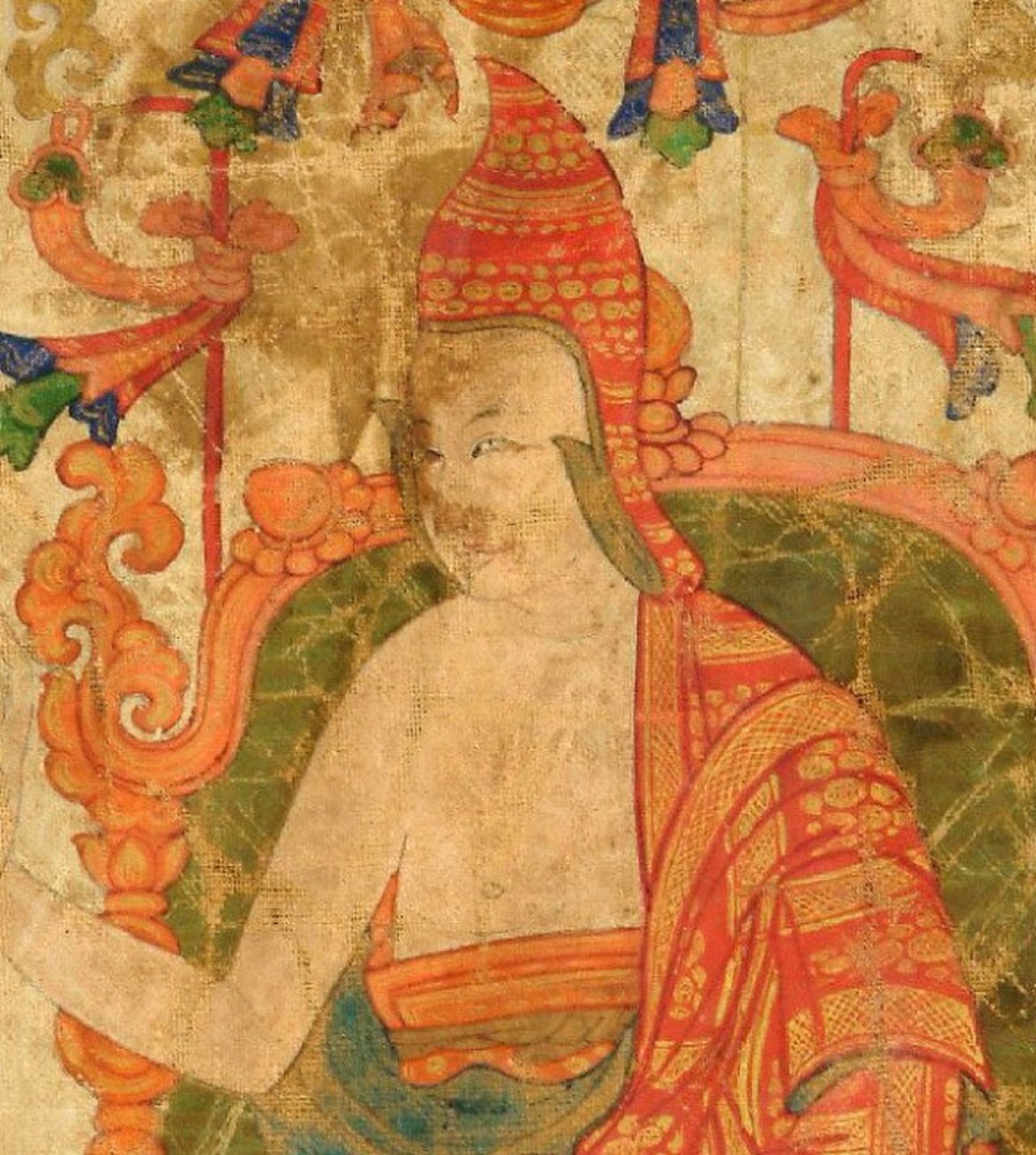
Shantideva, an Indian Mahayana scholar, is best known for his influential text 'A Guide to the Bodhisattva Way of Life' (Bodhicaryavatara), which has been a cornerstone of Tibetan Buddhism since the 8th century. With a Vibe score of 80, his teachings emphasize the importance of compassion, wisdom, and mindfulness. Shantideva's life is shrouded in mystery, but his writings have had a profound impact on the development of Mahayana Buddhism, influencing notable figures such as the Dalai Lama. The controversy surrounding his disappearance and the authorship of his texts has sparked debates among scholars, with some speculating that he may have been a prince or a monk. Despite these uncertainties, Shantideva's teachings continue to inspire and guide spiritual seekers around the world, with over 100 translations of his work available in various languages. As we look to the future, Shantideva's emphasis on cultivating bodhicitta, or the mind of enlightenment, will likely remain a vital component of Buddhist practice and philosophy, with many wondering how his teachings will evolve and adapt to the challenges of the 21st century.
🏯 Introduction to Shantideva
Shantideva was a prominent 8th-century CE Indian philosopher, Buddhist monk, poet, and scholar at the mahavihara of Nalanda University. He was an adherent of the Mādhyamaka philosophy of Nāgārjuna, which emphasizes the concept of emptiness and the rejection of inherent existence. As a scholar, Shantideva made significant contributions to the development of Mahayana Buddhism, particularly in the areas of Buddhist philosophy and Buddhist ethics. His works have had a profound impact on the development of Buddhist thought, influencing notable figures such as Dharmakirti and Atisha. Shantideva's writings continue to be studied and revered by scholars and practitioners of Buddhism today, offering insights into the nature of reality and the path to enlightenment.
📚 Life and Works
Shantideva's life and works are not well-documented, but it is known that he was a resident scholar at Nalanda University, one of the most prestigious institutions of learning in ancient India. During his time at Nalanda, Shantideva composed several important works, including the Bodhicaryavatara, a poetic treatise on the practice of bodhisattvas. This text is considered one of the most important works of Mahayana Buddhism and continues to be studied by scholars and practitioners today. Shantideva's writings demonstrate a deep understanding of Buddhist scripture and the ability to convey complex philosophical concepts in a clear and accessible manner. His works have been translated into numerous languages and remain an essential part of Buddhist literary heritage, influencing authors such as Santideva and Tsongkhapa.
👥 Influences and Adherences
Shantideva's philosophical views were heavily influenced by the Mādhyamaka school of thought, which was founded by Nāgārjuna. The Mādhyamaka philosophy emphasizes the concept of emptiness, which refers to the lack of inherent existence in all phenomena. Shantideva's adherence to this philosophy is evident in his writings, which often explore the nature of reality and the path to enlightenment. He was also influenced by other notable Buddhist thinkers, including Aryadeva and Bhavaviveka. Shantideva's works demonstrate a deep understanding of Buddhist philosophy and the ability to engage with complex philosophical concepts. His writings have been studied by scholars such as Dharmakirti and Atisha, who have built upon his ideas and contributed to the development of Mahayana Buddhism.
💡 Mādhyamaka Philosophy
The Mādhyamaka philosophy is a central component of Mahayana Buddhism, and Shantideva's writings provide valuable insights into this complex and nuanced system of thought. At its core, Mādhyamaka is concerned with the concept of emptiness, which refers to the lack of inherent existence in all phenomena. This concept is often misunderstood, and Shantideva's writings help to clarify the nature of emptiness and its relationship to the path to enlightenment. His works, such as the Bodhicaryavatara, demonstrate a deep understanding of Buddhist scripture and the ability to convey complex philosophical concepts in a clear and accessible manner. Shantideva's writings have been influential in the development of Mahayana Buddhism, shaping the thought of notable figures such as Tsongkhapa and Longchenpa.
🕉️ The Role of Nalanda Mahavihara
The mahavihara of Nalanda University played a significant role in Shantideva's life and works. As a resident scholar at Nalanda, Shantideva had access to a vast array of Buddhist texts and was able to engage with some of the most prominent thinkers of his time. The university was a hub of intellectual activity, attracting scholars from all over India and beyond. Shantideva's time at Nalanda had a profound impact on his development as a thinker and writer, and his works reflect the intellectual rigor and curiosity that characterized the university. Nalanda was also an important center for the study of Buddhist philosophy and Buddhist ethics, and Shantideva's writings demonstrate a deep understanding of these subjects. His works have been studied by scholars such as Dharmakirti and Atisha, who have built upon his ideas and contributed to the development of Mahayana Buddhism.
📝 Literary Contributions
Shantideva's literary contributions are significant, and his works continue to be studied and revered by scholars and practitioners of Buddhism today. The Bodhicaryavatara is considered one of the most important works of Mahayana Buddhism, and its poetic style and accessible language have made it a beloved text among Buddhists. Shantideva's writings demonstrate a deep understanding of Buddhist scripture and the ability to convey complex philosophical concepts in a clear and accessible manner. His works have been translated into numerous languages and remain an essential part of Buddhist literary heritage, influencing authors such as Santideva and Tsongkhapa. Shantideva's writings have also had a profound impact on the development of Buddhist thought, shaping the ideas of notable figures such as Dharmakirti and Atisha.
👑 Abhayadatta Sri and the Mahasiddhas
Abhayadatta Sri lists Shantideva as one of the eighty-four mahasiddhas, a group of enlightened beings who are revered in Tibetan Buddhism. Shantideva is known as Bhusuku Pa (布苏固巴) in this context, and his inclusion in the list of mahasiddhas reflects his importance as a spiritual figure and thinker. The mahasiddhas are considered to be embodiments of the enlightened state, and their lives and teachings are seen as examples of the possibilities of spiritual realization. Shantideva's inclusion in this group is a testament to his spiritual achievements and his contributions to the development of Mahayana Buddhism. His writings, such as the Bodhicaryavatara, continue to inspire and guide practitioners of Buddhism today, offering insights into the nature of reality and the path to enlightenment.
🌎 Cultural Significance
Shantideva's cultural significance extends far beyond the realm of Buddhist philosophy and scholarship. His writings have had a profound impact on the development of Mahayana Buddhism, shaping the thought and practice of Buddhists across Asia. The Bodhicaryavatara is considered a classic of Buddhist literature, and its poetic style and accessible language have made it a beloved text among Buddhists. Shantideva's works have been translated into numerous languages and remain an essential part of Buddhist literary heritage, influencing authors such as Santideva and Tsongkhapa. His writings have also had a profound impact on the development of Buddhist thought, shaping the ideas of notable figures such as Dharmakirti and Atisha.
📊 Controversy and Criticism
Despite his importance as a thinker and writer, Shantideva's ideas have not been without controversy and criticism. Some scholars have questioned the authenticity of certain texts attributed to him, while others have criticized his views on the nature of reality and the path to enlightenment. However, these criticisms have not diminished the significance of Shantideva's contributions to the development of Mahayana Buddhism. His writings continue to be studied and revered by scholars and practitioners of Buddhism today, offering insights into the nature of reality and the path to enlightenment. Shantideva's works have been influential in shaping the thought of notable figures such as Tsongkhapa and Longchenpa, and his ideas remain an essential part of Buddhist philosophical and literary heritage.
🔮 Legacy and Impact
Shantideva's legacy and impact are immeasurable, and his writings continue to inspire and guide practitioners of Buddhism today. The Bodhicaryavatara is considered a classic of Buddhist literature, and its poetic style and accessible language have made it a beloved text among Buddhists. Shantideva's works have been translated into numerous languages and remain an essential part of Buddhist literary heritage, influencing authors such as Santideva and Tsongkhapa. His writings have also had a profound impact on the development of Buddhist thought, shaping the ideas of notable figures such as Dharmakirti and Atisha. As a scholar and thinker, Shantideva's contributions to the development of Mahayana Buddhism are unparalleled, and his legacy continues to inspire and guide Buddhists around the world.
👫 Relationships and Connections
Shantideva's relationships and connections with other notable figures in Buddhist history are significant, and his writings reflect the intellectual and spiritual currents of his time. He was influenced by the Mādhyamaka philosophy of Nāgārjuna, and his works demonstrate a deep understanding of Buddhist philosophy and Buddhist ethics. Shantideva's writings have been studied by scholars such as Dharmakirti and Atisha, who have built upon his ideas and contributed to the development of Mahayana Buddhism. His works have also been influential in shaping the thought of notable figures such as Tsongkhapa and Longchenpa, and his ideas remain an essential part of Buddhist philosophical and literary heritage.
📚 Further Reading and Resources
For further reading and resources on Shantideva and his works, readers may consult the Bodhicaryavatara and other texts attributed to him. The Nalanda University website provides valuable information on the history and significance of this important institution, and the works of scholars such as Dharmakirti and Atisha offer insights into the development of Mahayana Buddhism. Readers may also consult the writings of notable figures such as Tsongkhapa and Longchenpa, who have built upon Shantideva's ideas and contributed to the development of Buddhist thought. Additionally, the mahasiddha tradition and the concept of Buddhist philosophy provide a rich context for understanding Shantideva's life and works.
Key Facts
- Year
- 685
- Origin
- India
- Category
- Philosophy and Religion
- Type
- Historical Figure
Frequently Asked Questions
Who was Shantideva?
Shantideva was an 8th-century CE Indian philosopher, Buddhist monk, poet, and scholar at the mahavihara of Nalanda. He was an adherent of the Mādhyamaka philosophy of Nāgārjuna and made significant contributions to the development of Mahayana Buddhism. His writings, such as the Bodhicaryavatara, continue to be studied and revered by scholars and practitioners of Buddhism today.
What is the significance of Shantideva's works?
Shantideva's works are significant because they provide valuable insights into the nature of reality and the path to enlightenment. His writings demonstrate a deep understanding of Buddhist philosophy and ethics, and his poetic style and accessible language have made his texts beloved among Buddhists. The Bodhicaryavatara is considered a classic of Buddhist literature, and its influence can be seen in the works of notable figures such as Tsongkhapa and Longchenpa.
What is the Mādhyamaka philosophy?
The Mādhyamaka philosophy is a central component of Mahayana Buddhism, and it emphasizes the concept of emptiness, which refers to the lack of inherent existence in all phenomena. This concept is often misunderstood, and Shantideva's writings help to clarify the nature of emptiness and its relationship to the path to enlightenment. The Mādhyamaka philosophy was founded by Nāgārjuna and has been influential in shaping the thought of notable figures such as Dharmakirti and Atisha.
What is the mahasiddha tradition?
The mahasiddha tradition is a group of enlightened beings who are revered in Tibetan Buddhism. Shantideva is listed as one of the eighty-four mahasiddhas, and his inclusion in this group reflects his importance as a spiritual figure and thinker. The mahasiddhas are considered to be embodiments of the enlightened state, and their lives and teachings are seen as examples of the possibilities of spiritual realization.
What is the significance of Nalanda University?
Nalanda University was a significant institution of learning in ancient India, and it played a crucial role in the development of Mahayana Buddhism. Shantideva was a resident scholar at Nalanda, and his time at the university had a profound impact on his development as a thinker and writer. The university was a hub of intellectual activity, attracting scholars from all over India and beyond, and its legacy continues to inspire and guide Buddhists around the world.
How has Shantideva's legacy impacted Buddhist thought?
Shantideva's legacy has had a profound impact on Buddhist thought, shaping the ideas of notable figures such as Dharmakirti, Atisha, Tsongkhapa, and Longchenpa. His writings continue to be studied and revered by scholars and practitioners of Buddhism today, offering insights into the nature of reality and the path to enlightenment. Shantideva's contributions to the development of Mahayana Buddhism are unparalleled, and his legacy continues to inspire and guide Buddhists around the world.
What are some of the key concepts in Shantideva's works?
Some of the key concepts in Shantideva's works include the concept of emptiness, the nature of reality, and the path to enlightenment. His writings demonstrate a deep understanding of Buddhist philosophy and ethics, and his poetic style and accessible language have made his texts beloved among Buddhists. The Bodhicaryavatara is considered a classic of Buddhist literature, and its influence can be seen in the works of notable figures such as Tsongkhapa and Longchenpa.