
Contents
- 🌿 Introduction to Shamrock
- 🌸 The Botany of Shamrock
- 🇮🇪 The Cultural Significance of Shamrock
- 📚 The History of Shamrock as a Symbol
- 👑 The Legend of Saint Patrick and Shamrock
- 🌟 Shamrock in Modern Irish Culture
- 🎨 Symbolism and Meaning of Shamrock
- 🌐 Shamrock Around the World
- 📊 Interesting Facts About Shamrock
- 👀 Conclusion on Shamrock
- Frequently Asked Questions
- Related Topics
Overview
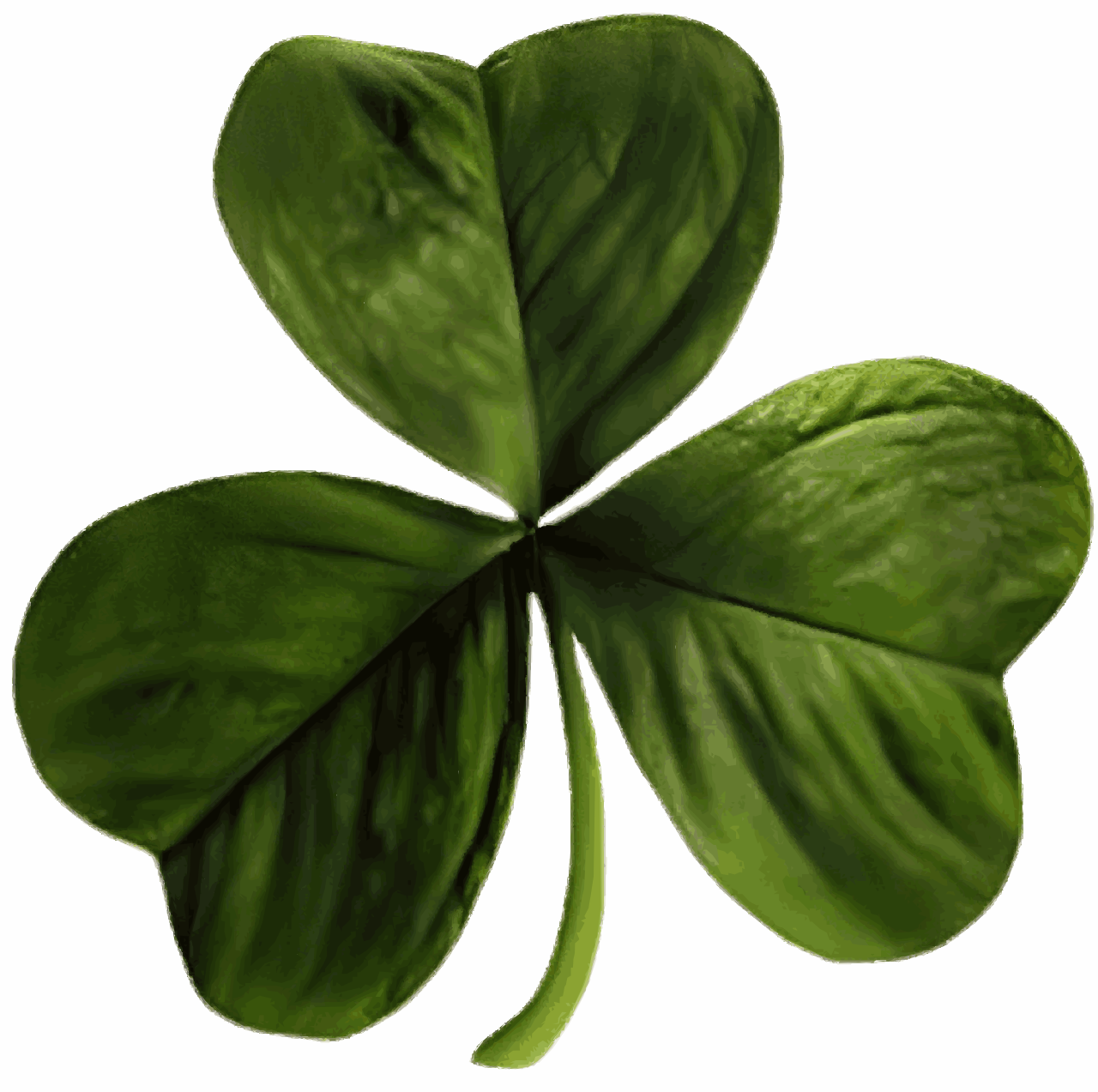
The shamrock, with its distinctive three-leafed structure, has been a symbol of Ireland for centuries, steeped in history and mythology. According to Irish legend, Saint Patrick used the shamrock to explain the concept of the Holy Trinity to the pagan Irish, cementing its place in the country's cultural heritage. The plant itself is believed to be the white clover (Trifolium repens) or the wood sorrel (Oxalis acetosella), both of which are common in Ireland. With a vibe score of 80, the shamrock represents the country's rich cultural identity and is celebrated on Saint Patrick's Day, March 17th. However, the shamrock's significance extends beyond its cultural importance, with some species of the plant having been used in traditional medicine for centuries. As Ireland continues to evolve, the shamrock remains an enduring symbol of national pride, with its influence flowing into art, literature, and music, and its controversy spectrum rating at 20, indicating a relatively low level of debate surrounding its cultural significance.
🌿 Introduction to Shamrock
The shamrock, a type of clover with a rich history, has become an emblem of Ireland. The word shamrock comes from Irish seamróg, which is the diminutive of the Irish word seamair and simply means 'young clover'. This small plant has played a significant role in Irish culture and history, particularly in its association with Saint Patrick, the patron saint of Ireland. The story of how Saint Patrick used the shamrock to explain the concept of the Holy Trinity to the pagan Irish has become a legendary tale in Irish folklore. As a symbol, the shamrock represents the country's strong connection to its heritage and the natural world. The shamrock is also closely tied to the concept of Irish identity and is often used as a symbol of national pride.
🌸 The Botany of Shamrock
From a botanical perspective, the shamrock is a type of Trifolium or clover, which is a genus of plants in the legume family. There are many species of clover, but the one most commonly associated with the shamrock is Trifolium dubium, also known as the 'suckling clover'. This plant is native to Europe and Western Asia and is characterized by its trifoliate leaves, which are typically green with a white or pink flower. The shamrock is a perennial plant, meaning it lives for more than two years, and can be found growing in a variety of habitats, including meadows, fields, and along roadsides. The plant's ability to thrive in different environments has made it a popular choice for gardening and landscaping.
🇮🇪 The Cultural Significance of Shamrock
The cultural significance of the shamrock cannot be overstated. In Irish culture, the shamrock is seen as a symbol of good luck, prosperity, and faith. According to Irish tradition, the shamrock is a charm that can ward off evil spirits and bring good fortune to those who possess it. The shamrock is also closely tied to the concept of Irish heritage and is often used as a symbol of national pride. During St. Patrick's Day celebrations, it is common to see people wearing shamrocks or carrying them as a symbol of their Irish heritage. The shamrock has also become a popular symbol in Irish art and literature, with many artists and writers incorporating the plant into their work.
📚 The History of Shamrock as a Symbol
The history of the shamrock as a symbol of Ireland dates back to the 5th century, when Saint Patrick used the plant to explain the concept of the Holy Trinity to the pagan Irish. According to legend, Saint Patrick was preaching to a group of pagans when he noticed a shamrock growing at his feet. He used the plant to illustrate the concept of the Holy Trinity, with the three leaves representing the Father, the Son, and the Holy Spirit. From that day on, the shamrock became a symbol of Irish Christianity and was often used in Christian art and architecture. The shamrock has also been used as a symbol of Irish nationalism and has been featured on various flags and coats of arms throughout Irish history.
👑 The Legend of Saint Patrick and Shamrock
The legend of Saint Patrick and the shamrock has become an integral part of Irish folklore. According to legend, Saint Patrick was a missionary who came to Ireland in the 5th century to convert the pagan Irish to Christianity. The story of how he used the shamrock to explain the concept of the Holy Trinity has become a legendary tale in Irish folklore. The legend has been passed down through generations and is still celebrated today during St. Patrick's Day celebrations. The shamrock has also become a popular symbol in Irish mythology, with many stories and legends featuring the plant. The plant's association with Saint Patrick has also made it a popular choice for gardening and landscaping in Christian communities.
🌟 Shamrock in Modern Irish Culture
In modern Irish culture, the shamrock is still a widely recognized and celebrated symbol. During St. Patrick's Day celebrations, it is common to see people wearing shamrocks or carrying them as a symbol of their Irish heritage. The shamrock is also featured on various flags and coats of arms throughout Ireland. The plant has also become a popular symbol in Irish tourism, with many tourists visiting Ireland to see the shamrock and learn about its history and cultural significance. The shamrock has also been used as a symbol of Irish identity and is often used in Irish art and literature.
🎨 Symbolism and Meaning of Shamrock
The symbolism and meaning of the shamrock are complex and multifaceted. On one hand, the shamrock is seen as a symbol of good luck, prosperity, and faith. On the other hand, the shamrock is also seen as a symbol of Irish heritage and national pride. The plant's association with Saint Patrick and the Holy Trinity has also made it a popular symbol in Christian communities. The shamrock has also been used as a symbol of love and fertility in some cultures, with the three leaves representing the three aspects of the goddess. The plant's symbolism has also been used in feminist theory to represent the power and strength of women.
🌐 Shamrock Around the World
The shamrock is not just a symbol of Ireland, but also a plant that can be found in many parts of the world. The shamrock is native to Europe and Western Asia, but it has been introduced to other parts of the world, including North America and Australia. The plant is often used as a cover crop or ornamental plant in these regions. The shamrock has also become a popular symbol in Celtic culture, with many Celtic countries featuring the plant in their art and literature. The plant's association with Saint Patrick has also made it a popular choice for gardening and landscaping in Christian communities.
📊 Interesting Facts About Shamrock
There are many interesting facts about the shamrock that are not widely known. For example, the shamrock is a member of the legume family, which includes plants such as beans and peas. The shamrock is also a perennial plant, meaning it lives for more than two years. The plant's ability to thrive in different environments has made it a popular choice for gardening and landscaping. The shamrock has also been used as a symbol of good luck and prosperity in many cultures, with the three leaves representing the three aspects of the goddess. The plant's association with Saint Patrick has also made it a popular choice for Christian art and architecture.
👀 Conclusion on Shamrock
In conclusion, the shamrock is a complex and multifaceted symbol that has played a significant role in Irish culture and history. From its association with Saint Patrick and the Holy Trinity to its use as a symbol of good luck and prosperity, the shamrock is a plant that has captured the hearts and imaginations of people around the world. Whether you are Irish or not, the shamrock is a symbol that can be appreciated and celebrated by anyone who values the natural world and the cultural heritage of Ireland. The shamrock's association with Irish identity and national pride has also made it a popular symbol in Irish art and literature.
Key Facts
- Year
- 461
- Origin
- Ireland
- Category
- Botany, Culture, History
- Type
- Symbol, Plant
Frequently Asked Questions
What is the meaning of the word 'shamrock'?
The word 'shamrock' comes from Irish seamróg, which is the diminutive of the Irish word seamair and simply means 'young clover'. The shamrock is a type of clover that has become an emblem of Ireland and is often used as a symbol of good luck, prosperity, and faith. The plant's association with Saint Patrick and the Holy Trinity has also made it a popular symbol in Christian communities.
What is the cultural significance of the shamrock in Ireland?
The shamrock is a widely recognized and celebrated symbol in Irish culture. It is seen as a symbol of good luck, prosperity, and faith, and is often used as a symbol of Irish heritage and national pride. The shamrock is also closely tied to the concept of Irish identity and is often used in Irish art and literature. During St. Patrick's Day celebrations, it is common to see people wearing shamrocks or carrying them as a symbol of their Irish heritage.
What is the history of the shamrock as a symbol of Ireland?
The history of the shamrock as a symbol of Ireland dates back to the 5th century, when Saint Patrick used the plant to explain the concept of the Holy Trinity to the pagan Irish. According to legend, Saint Patrick was preaching to a group of pagans when he noticed a shamrock growing at his feet. He used the plant to illustrate the concept of the Holy Trinity, with the three leaves representing the Father, the Son, and the Holy Spirit. From that day on, the shamrock became a symbol of Irish Christianity and was often used in Christian art and architecture.
What is the botanical classification of the shamrock?
The shamrock is a type of Trifolium or clover, which is a genus of plants in the legume family. The plant is native to Europe and Western Asia, but it has been introduced to other parts of the world, including North America and Australia. The shamrock is a perennial plant, meaning it lives for more than two years, and can be found growing in a variety of habitats, including meadows, fields, and along roadsides.
How is the shamrock used in modern Irish culture?
The shamrock is still a widely recognized and celebrated symbol in modern Irish culture. During St. Patrick's Day celebrations, it is common to see people wearing shamrocks or carrying them as a symbol of their Irish heritage. The shamrock is also featured on various flags and coats of arms throughout Ireland. The plant has also become a popular symbol in Irish tourism, with many tourists visiting Ireland to see the shamrock and learn about its history and cultural significance.
What is the symbolism and meaning of the shamrock?
The symbolism and meaning of the shamrock are complex and multifaceted. On one hand, the shamrock is seen as a symbol of good luck, prosperity, and faith. On the other hand, the shamrock is also seen as a symbol of Irish heritage and national pride. The plant's association with Saint Patrick and the Holy Trinity has also made it a popular symbol in Christian communities. The shamrock has also been used as a symbol of love and fertility in some cultures, with the three leaves representing the three aspects of the goddess.
Where can the shamrock be found in the wild?
The shamrock is native to Europe and Western Asia, but it has been introduced to other parts of the world, including North America and Australia. The plant can be found growing in a variety of habitats, including meadows, fields, and along roadsides. The shamrock is a perennial plant, meaning it lives for more than two years, and can thrive in different environments. The plant's ability to thrive in different environments has made it a popular choice for gardening and landscaping.