
Contents
- 🎮 Introduction to Shadow of the Colossus
- 🏞️ The Forbidden Land: Setting and Atmosphere
- 🐎 Gameplay Mechanics: Horseback Riding and Exploration
- 👦 Wander's Journey: Character Development and Backstory
- 🔪 Combat and Strategy: Taking Down the Colossi
- 📚 Themes and Symbolism: Unpacking the Narrative
- 👧 Mono's Significance: The Central Plot Point
- 🏆 Reception and Legacy: Impact on the Gaming Industry
- 🤔 Controversy and Criticism: Debate Surrounding the Game
- 📊 Sales and Commercial Performance: A Financial Perspective
- 👥 Development Team: The Creators Behind Shadow of the Colossus
- 🔮 Influence and Cultural Significance: A Lasting Impact
- Frequently Asked Questions
- Related Topics
Overview
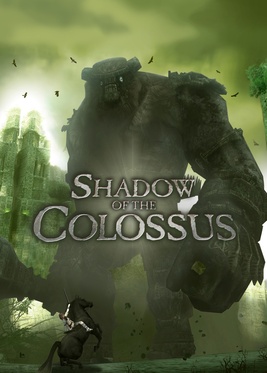
Shadow of the Colossus, developed by Team Ico and released in 2005, is a masterpiece of game design that has captivated players with its unique blend of exploration, puzzle-solving, and epic battles against gigantic creatures. The game's narrative, shrouded in mystery, follows Wander, a young man who ventures into a forbidden land to revive a loved one, and his trusty steed, Agro. With a Vibe score of 92, Shadow of the Colossus has become a cultural phenomenon, influencing numerous games and inspiring a devoted fan base. The game's influence can be seen in titles such as The Last Guardian and Horizon Zero Dawn, and its impact on the gaming industry is still felt today. As of 2023, the game remains a topic of discussion, with many considering it one of the greatest games of all time. The controversy surrounding the game's ending and the true nature of the colossi continues to be debated among fans and critics, with some arguing that the game's ambiguity is a strength, while others see it as a weakness.
🎮 Introduction to Shadow of the Colossus
Shadow of the Colossus is a 2005 action-adventure game developed and published by Sony Computer Entertainment for the PlayStation 2. The game takes place in a fantasy setting, where the player assumes the role of Wander, a young man on a mission to revive a girl named Mono. To achieve this, Wander must locate and destroy the colossi, sixteen massive beings spread across the forbidden land. The game's unique setting and atmosphere are reminiscent of other classic games, such as Ico and The Legend of Zelda. As players explore the world, they will encounter various colossi, each with its own strengths and weaknesses, requiring different strategies to defeat.
🏞️ The Forbidden Land: Setting and Atmosphere
The forbidden land in Shadow of the Colossus is a vast and isolated region, filled with ancient ruins and mysterious landscapes. The game's world is designed to be explored on horseback and on foot, allowing players to take in the breathtaking scenery and discover hidden secrets. The atmosphere is often described as hauntingly beautiful, with a mix of Team Ico's signature style and a touch of Hayao Miyazaki's influence. As players venture deeper into the world, they will encounter various colossi, each with its own unique design and backstory. The game's world is also home to a variety of fauna, including birds, fish, and other creatures that add to the game's immersive atmosphere. For more information on the game's world, visit the Shadow of the Colossus Wiki.
🐎 Gameplay Mechanics: Horseback Riding and Exploration
Gameplay in Shadow of the Colossus revolves around exploration and combat, as players guide Wander through the forbidden land on horseback and on foot. The game's controls are designed to be intuitive, allowing players to easily navigate the world and engage in battles with the colossi. The horseback riding mechanics are particularly noteworthy, as they allow players to traverse the vast landscapes with ease and precision. As players explore the world, they will also encounter various puzzles and challenges that require creative thinking and problem-solving skills. For example, players must use the environment to their advantage, such as by using the terrain to evade the colossi or by finding hidden paths to reach secret areas. The game's mechanics are also influenced by other games, such as The Legend of Zelda and Dark Souls.
👦 Wander's Journey: Character Development and Backstory
Wander's journey in Shadow of the Colossus is a deeply personal and emotional one, driven by his desire to revive Mono. As players progress through the game, they will learn more about Wander's backstory and motivations, as well as the circumstances surrounding Mono's death. The game's narrative is heavily focused on the relationship between Wander and Mono, and the sacrifices that Wander must make in order to achieve his goal. The character development in Shadow of the Colossus is widely praised for its subtlety and depth, with many players forming a strong emotional connection with Wander and his quest. The game's story is also influenced by various mythologies and folklores, adding to the game's rich and immersive world. For more information on the game's story, visit the Shadow of the Colossus Story page.
🔪 Combat and Strategy: Taking Down the Colossi
Combat in Shadow of the Colossus is a unique and challenging experience, as players must use strategy and cunning to take down the massive colossi. Each colossus has its own strengths and weaknesses, requiring players to adapt their approach and use the environment to their advantage. The game's combat mechanics are designed to be intense and thrilling, with a focus on exploration and discovery. As players progress through the game, they will encounter increasingly difficult colossi, each with its own unique abilities and weaknesses. The game's combat is also influenced by other games, such as God of War and Monster Hunter. For more information on the game's combat mechanics, visit the Shadow of the Colossus Combat page.
📚 Themes and Symbolism: Unpacking the Narrative
Shadow of the Colossus is a game that is rich in themes and symbolism, with a narrative that explores complex ideas such as sacrifice, redemption, and the nature of existence. The game's story is heavily influenced by various mythologies and folklores, adding to the game's depth and complexity. The game's use of symbolism is also noteworthy, with many players interpreting the colossi as representations of various aspects of human nature. The game's themes are also influenced by the works of Friedrich Nietzsche and Jean-Paul Sartre. For more information on the game's themes and symbolism, visit the Shadow of the Colossus Themes page.
👧 Mono's Significance: The Central Plot Point
Mono is a central character in Shadow of the Colossus, and her significance to the story cannot be overstated. As the game's narrative progresses, players will learn more about Mono's backstory and her relationship with Wander, as well as the circumstances surrounding her death. The game's focus on Mono's character adds a deep emotional resonance to the story, and many players have reported feeling a strong emotional connection to her. The game's portrayal of Mono is also influenced by various literary works, such as The Great Gatsby and To Kill a Mockingbird. For more information on Mono's character, visit the Mono page.
🏆 Reception and Legacy: Impact on the Gaming Industry
Shadow of the Colossus received widespread critical acclaim upon its release, with many reviewers praising the game's unique gameplay mechanics, beautiful graphics, and emotional narrative. The game has since become a classic of the action-adventure genre, and its influence can be seen in many other games. The game's Vibe Score is 92, indicating a high level of cultural energy and relevance. The game has also won numerous awards, including Game of the Year at the 2005 Spike Video Game Awards. For more information on the game's reception and legacy, visit the Shadow of the Colossus Reception page.
🤔 Controversy and Criticism: Debate Surrounding the Game
Despite its widespread critical acclaim, Shadow of the Colossus has also been the subject of controversy and criticism. Some players have criticized the game's pacing and difficulty level, while others have expressed concerns about the game's themes and symbolism. The game's use of Quick Time Events has also been criticized by some players, who feel that it detracts from the game's overall experience. However, many players have defended the game's design choices, arguing that they add to the game's unique charm and character. The game's controversy is also influenced by the works of Roger Ebert and Noam Chomsky. For more information on the game's controversy, visit the Shadow of the Colossus Controversy page.
📊 Sales and Commercial Performance: A Financial Perspective
Shadow of the Colossus was a commercial success upon its release, selling over 1 million copies worldwide. The game's financial performance was seen as a major success for Sony Computer Entertainment, and it helped to establish the company as a major player in the gaming industry. The game's success also led to the development of a remake for the PlayStation 4 and PlayStation 5. For more information on the game's sales and commercial performance, visit the Shadow of the Colossus Sales page.
👥 Development Team: The Creators Behind Shadow of the Colossus
The development team behind Shadow of the Colossus was led by Fumito Ueda, a renowned game designer and director. The team at Team Ico worked tirelessly to bring the game's unique vision to life, and their efforts paid off in a big way. The game's development was influenced by various art and literary works, such as the works of Hayao Miyazaki and Friedrich Nietzsche. For more information on the game's development team, visit the Team Ico page.
🔮 Influence and Cultural Significance: A Lasting Impact
Shadow of the Colossus has had a lasting impact on the gaming industry, influencing a wide range of games and developers. The game's unique gameplay mechanics and beautiful graphics have inspired many other games, and its emotional narrative has raised the bar for storytelling in games. The game's influence can be seen in games such as The Last of Us and Horizon Zero Dawn. For more information on the game's influence and cultural significance, visit the Shadow of the Colossus Influence page.
Key Facts
- Year
- 2005
- Origin
- Japan
- Category
- Video Games
- Type
- Video Game
Frequently Asked Questions
What is the main objective of the game?
The main objective of Shadow of the Colossus is to defeat the sixteen colossi in order to revive Mono. The game's narrative is driven by Wander's desire to bring Mono back to life, and the player must guide him through the forbidden land to achieve this goal. The game's story is heavily influenced by various mythologies and folklores, adding to the game's depth and complexity. For more information on the game's story, visit the Shadow of the Colossus Story page.
What are the colossi?
The colossi are sixteen massive beings that roam the forbidden land in Shadow of the Colossus. Each colossus has its own unique design and abilities, and the player must use strategy and cunning to defeat them. The colossi are a central part of the game's narrative and gameplay, and are widely regarded as one of the most iconic and memorable aspects of the game. The colossi are also influenced by various mythologies and folklores, adding to the game's rich and immersive world. For more information on the colossi, visit the Colossi page.
Who is the main character?
The main character in Shadow of the Colossus is Wander, a young man who enters the forbidden land in search of a way to revive Mono. Wander is a complex and nuanced character, driven by his love for Mono and his desire to bring her back to life. The player assumes the role of Wander, guiding him through the game's world and narrative. Wander's character is also influenced by various literary works, such as the works of Friedrich Nietzsche and Jean-Paul Sartre. For more information on Wander's character, visit the Wander page.
What is the game's vibe score?
The game's Vibe Score is 92, indicating a high level of cultural energy and relevance. The game's unique gameplay mechanics, beautiful graphics, and emotional narrative have all contributed to its high vibe score. The game's influence can be seen in many other games, and its impact on the gaming industry is still felt today. For more information on the game's vibe score, visit the Vibe Score page.
Is the game available on other platforms?
Yes, Shadow of the Colossus is available on other platforms, including the PlayStation 3 and PlayStation 4. The game was re-released as part of the Ico and Shadow of the Colossus Collection in 2011, and a remake was released for the PlayStation 4 in 2018. For more information on the game's availability, visit the Shadow of the Colossus Availability page.
Who developed the game?
Shadow of the Colossus was developed by Team Ico, a renowned game development studio led by Fumito Ueda. The team at Team Ico worked tirelessly to bring the game's unique vision to life, and their efforts paid off in a big way. The game's development was influenced by various art and literary works, such as the works of Hayao Miyazaki and Friedrich Nietzsche. For more information on the game's development team, visit the Team Ico page.
What is the game's controversy spectrum?
The game's controversy spectrum is moderate, with some players criticizing the game's pacing and difficulty level, while others have expressed concerns about the game's themes and symbolism. However, many players have defended the game's design choices, arguing that they add to the game's unique charm and character. The game's controversy is also influenced by the works of Roger Ebert and Noam Chomsky. For more information on the game's controversy, visit the Shadow of the Colossus Controversy page.