
Contents
- 🌊 Introduction to the Seafood Industry
- 🎣 The Scope of the Fishing Industry
- 🌴 Recreational, Subsistence, and Commercial Fishing
- 🐟 Aquaculture and Its Impact
- 📊 The Economics of the Seafood Industry
- 🌎 Sustainability and the Environment
- 🚣♀️ The Human Element: Livelihoods and Communities
- 🤝 International Cooperation and Regulation
- 📈 The Future of the Seafood Industry
- 🚨 Challenges and Controversies
- 🌟 Innovations and Solutions
- Frequently Asked Questions
- Related Topics
Overview
The seafood industry, valued at over $150 billion annually, is a significant sector that faces numerous challenges, including overfishing, habitat destruction, and the impacts of climate change. With a global demand for seafood projected to increase by 30% by 2030, companies like Thai Union and Nueva Pescanova are working to implement more sustainable practices, such as eco-labeling and fisheries management. However, critics argue that these efforts are often insufficient, and that the industry's focus on profit over sustainability is exacerbating environmental problems. The controversy surrounding the seafood industry is reflected in its Vibe score of 42, indicating a moderate level of cultural energy and tension. As the industry continues to evolve, it is likely that we will see increased scrutiny of companies' sustainability practices and more innovative solutions to the challenges facing the sector. With key players like the Marine Stewardship Council and the World Wildlife Fund influencing the industry's trajectory, the future of seafood is likely to be shaped by a complex interplay of environmental, economic, and social factors. The industry's influence flow is characterized by a strong connection to the global food system, with entities like the Food and Agriculture Organization of the United Nations playing a crucial role in shaping policy and practice.
🌊 Introduction to the Seafood Industry
The seafood industry is a complex and multifaceted sector that encompasses a wide range of activities, from fishing and aquaculture to processing and marketing. According to the Food and Agriculture Organization, the industry is defined as including recreational, subsistence, and commercial fishing, as well as the related harvesting, processing, and marketing sectors. The industry is a significant source of food and income for millions of people around the world, with the livelihood of over 500 million people in developing countries depending directly or indirectly on fisheries and aquaculture. The seafood industry is also a major contributor to the global economy, with the global seafood market valued at over $150 billion. As the industry continues to grow and evolve, it is essential to consider the impact of sustainable fishing practices and responsible aquaculture on the environment and communities.
🎣 The Scope of the Fishing Industry
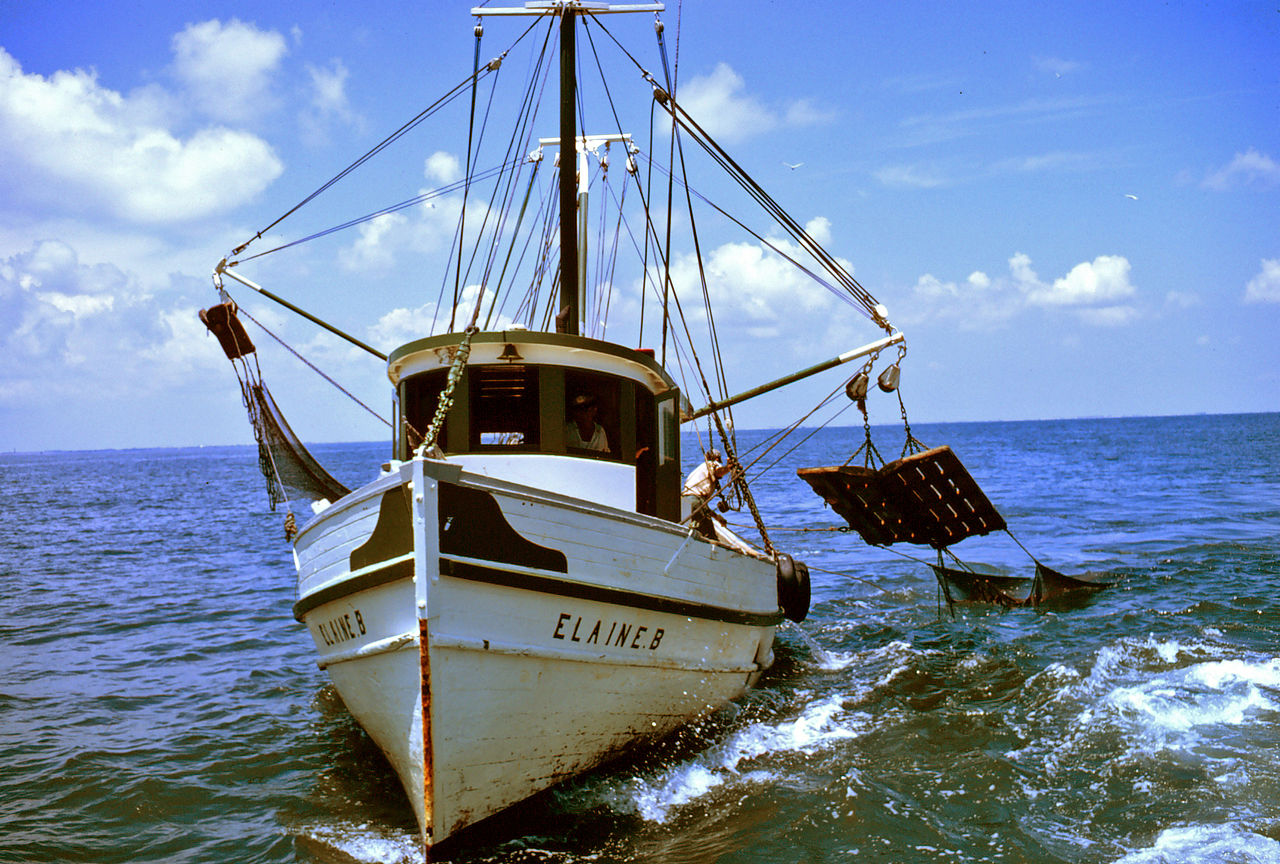
The scope of the fishing industry is vast and diverse, encompassing a wide range of activities and sectors. The industry includes recreational fishing, which is a popular leisure activity for millions of people around the world, as well as subsistence fishing, which provides a vital source of food and income for many communities. The industry also includes commercial fishing, which is aimed at the delivery of fish and other seafood products for human consumption or as input factors in other industrial processes. The fishing industry is also closely linked to the aquaculture industry, which involves the farming of aquatic organisms such as fish, shellfish, and algae. As the industry continues to grow and evolve, it is essential to consider the impact of fishing regulations and aquaculture regulations on the environment and communities.
🌴 Recreational, Subsistence, and Commercial Fishing
Recreational, subsistence, and commercial fishing are all important components of the seafood industry, each with its own unique characteristics and challenges. Recreational fishing is a popular leisure activity that provides a range of benefits, including relaxation, recreation, and social interaction. Subsistence fishing, on the other hand, is a vital source of food and income for many communities, particularly in developing countries. Commercial fishing is a significant sector of the industry, with the global commercial fishing fleet valued at over $50 billion. As the industry continues to grow and evolve, it is essential to consider the impact of fishing practices and aquaculture practices on the environment and communities, including the use of fishing gear and aquaculture feed.
🐟 Aquaculture and Its Impact
Aquaculture is a significant sector of the seafood industry, with the global aquaculture market valued at over $200 billion. The industry involves the farming of aquatic organisms such as fish, shellfish, and algae, and provides a range of benefits, including a reliable source of food, income, and employment. However, the industry also faces a range of challenges, including the impact of aquaculture on the environment, the use of aquaculture feed, and the risk of aquaculture diseases. As the industry continues to grow and evolve, it is essential to consider the impact of sustainable aquaculture practices and responsible aquaculture on the environment and communities. The Food and Agriculture Organization has developed a range of guidelines and standards for the industry, including the Code of Conduct for Responsible Fisheries.
📊 The Economics of the Seafood Industry
The economics of the seafood industry are complex and multifaceted, with the industry providing a range of benefits, including income, employment, and food security. The global seafood market is valued at over $150 billion, with the industry providing a significant source of income and employment for millions of people around the world. However, the industry also faces a range of challenges, including the impact of fishing regulations and aquaculture regulations on the industry, as well as the risk of overfishing and habitat destruction. As the industry continues to grow and evolve, it is essential to consider the impact of sustainable fishing practices and responsible aquaculture on the environment and communities. The World Bank has developed a range of initiatives and programs to support the industry, including the Global Program for Sustainable Fisheries.
🌎 Sustainability and the Environment
Sustainability and the environment are critical components of the seafood industry, with the industry facing a range of challenges, including the impact of fishing practices and aquaculture practices on the environment. The industry is also closely linked to the ocean conservation movement, with many organizations and initiatives working to protect and conserve marine ecosystems. The United Nations has developed a range of initiatives and programs to support the industry, including the Sustainable Development Goals. As the industry continues to grow and evolve, it is essential to consider the impact of sustainable fishing practices and responsible aquaculture on the environment and communities.
🚣♀️ The Human Element: Livelihoods and Communities
The human element is a critical component of the seafood industry, with the livelihood of over 500 million people in developing countries depending directly or indirectly on fisheries and aquaculture. The industry provides a range of benefits, including income, employment, and food security, and is closely linked to the rural development movement. However, the industry also faces a range of challenges, including the impact of fishing regulations and aquaculture regulations on the industry, as well as the risk of overfishing and habitat destruction. As the industry continues to grow and evolve, it is essential to consider the impact of sustainable fishing practices and responsible aquaculture on the environment and communities. The International Labor Organization has developed a range of guidelines and standards for the industry, including the Code of Practice for Fair Labor Standards.
🤝 International Cooperation and Regulation
International cooperation and regulation are critical components of the seafood industry, with the industry facing a range of challenges, including the impact of fishing practices and aquaculture practices on the environment. The industry is also closely linked to the international trade movement, with many countries and organizations working to promote and regulate the industry. The World Trade Organization has developed a range of agreements and standards for the industry, including the Agreement on Sanitary and Phytosanitary Measures. As the industry continues to grow and evolve, it is essential to consider the impact of sustainable fishing practices and responsible aquaculture on the environment and communities.
📈 The Future of the Seafood Industry
The future of the seafood industry is complex and multifaceted, with the industry facing a range of challenges, including the impact of fishing practices and aquaculture practices on the environment. The industry is also closely linked to the sustainable development movement, with many organizations and initiatives working to promote and support the industry. The Food and Agriculture Organization has developed a range of initiatives and programs to support the industry, including the Global Action Plan for Sustainable Fisheries. As the industry continues to grow and evolve, it is essential to consider the impact of sustainable fishing practices and responsible aquaculture on the environment and communities.
🚨 Challenges and Controversies
The seafood industry faces a range of challenges and controversies, including the impact of fishing practices and aquaculture practices on the environment. The industry is also closely linked to the ocean conservation movement, with many organizations and initiatives working to protect and conserve marine ecosystems. The United Nations has developed a range of initiatives and programs to support the industry, including the Sustainable Development Goals. As the industry continues to grow and evolve, it is essential to consider the impact of sustainable fishing practices and responsible aquaculture on the environment and communities.
🌟 Innovations and Solutions
The seafood industry is also driving innovation and solutions, with many organizations and initiatives working to promote and support the industry. The Food and Agriculture Organization has developed a range of initiatives and programs to support the industry, including the Global Program for Sustainable Fisheries. The World Bank has also developed a range of initiatives and programs to support the industry, including the Global Program for Sustainable Fisheries. As the industry continues to grow and evolve, it is essential to consider the impact of sustainable fishing practices and responsible aquaculture on the environment and communities.
Key Facts
- Year
- 2022
- Origin
- Global
- Category
- Food and Agriculture
- Type
- Industry
Frequently Asked Questions
What is the scope of the fishing industry?
The scope of the fishing industry is vast and diverse, encompassing a wide range of activities and sectors, including recreational, subsistence, and commercial fishing, as well as the related harvesting, processing, and marketing sectors. The industry is also closely linked to the aquaculture industry, which involves the farming of aquatic organisms such as fish, shellfish, and algae. As the industry continues to grow and evolve, it is essential to consider the impact of fishing regulations and aquaculture regulations on the environment and communities.
What is the impact of the seafood industry on the environment?
The seafood industry has a significant impact on the environment, with the industry facing a range of challenges, including the impact of fishing practices and aquaculture practices on the environment. The industry is also closely linked to the ocean conservation movement, with many organizations and initiatives working to protect and conserve marine ecosystems. The United Nations has developed a range of initiatives and programs to support the industry, including the Sustainable Development Goals.
What is the role of international cooperation and regulation in the seafood industry?
International cooperation and regulation are critical components of the seafood industry, with the industry facing a range of challenges, including the impact of fishing practices and aquaculture practices on the environment. The industry is also closely linked to the international trade movement, with many countries and organizations working to promote and regulate the industry. The World Trade Organization has developed a range of agreements and standards for the industry, including the Agreement on Sanitary and Phytosanitary Measures.
What is the future of the seafood industry?
The future of the seafood industry is complex and multifaceted, with the industry facing a range of challenges, including the impact of fishing practices and aquaculture practices on the environment. The industry is also closely linked to the sustainable development movement, with many organizations and initiatives working to promote and support the industry. The Food and Agriculture Organization has developed a range of initiatives and programs to support the industry, including the Global Action Plan for Sustainable Fisheries.
What are some of the challenges and controversies facing the seafood industry?
The seafood industry faces a range of challenges and controversies, including the impact of fishing practices and aquaculture practices on the environment. The industry is also closely linked to the ocean conservation movement, with many organizations and initiatives working to protect and conserve marine ecosystems. The United Nations has developed a range of initiatives and programs to support the industry, including the Sustainable Development Goals.