
Contents
- 🌟 Introduction to Sand Mandalas
- 🏞️ History and Origins of Sand Mandalas
- 🎨 The Artistic Process of Creating Sand Mandalas
- 🕉️ Symbolism and Meaning in Sand Mandalas
- 🌈 Colors and Materials Used in Sand Mandalas
- 👥 The Role of Monks and Artists in Sand Mandala Creation
- 📸 Preserving Sand Mandalas Through Photography
- 🌎 The Global Reach and Cultural Significance of Sand Mandalas
- 💔 The Ephemeral Nature of Sand Mandalas
- 🔮 The Therapeutic Benefits of Creating Sand Mandalas
- 📚 The Cultural and Historical Context of Sand Mandalas
- Frequently Asked Questions
- Related Topics
Overview
Sand mandalas, with a vibe score of 80, have been a cornerstone of Tibetan Buddhist tradition for centuries, symbolizing the transience of life and the importance of mindfulness. Created by skilled monks using intricate patterns and vibrant colors, these delicate designs are painstakingly crafted only to be destroyed shortly after completion, emphasizing the impermanence of all things. The process of creating sand mandalas is a meditation in itself, requiring patience, focus, and attention to detail. Despite their ephemeral nature, sand mandalas have gained widespread recognition and admiration, with many contemporary artists experimenting with the medium. However, this increased popularity has also sparked controversy, with some arguing that the commercialization of sand mandalas undermines their spiritual significance. As the art form continues to evolve, it remains to be seen how it will balance its cultural heritage with its growing global appeal, potentially influencing the way we perceive and interact with impermanent art forms in the future.
🌟 Introduction to Sand Mandalas
The art of creating sand mandalas is an ancient tradition that originated in Tibetan culture, where it is known as 'dul-tson-kyil-khor'. This intricate and ephemeral art form has been practiced for centuries, with monks and artists using colored sand to create intricate designs and patterns. The process of creating a sand mandala is a meditative and spiritual experience, requiring great skill and patience. As noted by Dalai Lama, the creation of sand mandalas is a way to promote mindfulness and inner peace. The use of sand mandalas in Buddhist rituals and ceremonies is also an important aspect of this art form. For example, the Sand Mandala Ritual is a sacred ceremony that involves the creation and destruction of a sand mandala.
🏞️ History and Origins of Sand Mandalas
The history of sand mandalas dates back to the Buddha's time, where they were used as a tool for teaching Dharma and promoting spiritual growth. The art form has evolved over the centuries, with different regions and cultures developing their own unique styles and techniques. In Nepal, for example, sand mandalas are created during the Dashain festival, while in India, they are created during the Diwali festival. The use of sand mandalas in Hinduism and other Eastern religions is also an important aspect of this art form. As noted by Joseph Campbell, the creation of sand mandalas is a way to connect with the collective unconscious. The influence of Tibetan Buddhism on the development of sand mandalas is also significant.
🎨 The Artistic Process of Creating Sand Mandalas
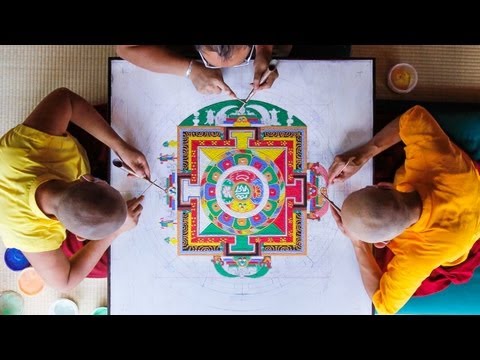
The process of creating a sand mandala is a complex and time-consuming one, requiring great skill and attention to detail. The artist begins by drawing a design on a flat surface, using a compass and a straightedge to create the intricate patterns and shapes. The colored sand is then applied to the design, using a small tube or a funnel to create the intricate details. The use of geometric patterns and symmetry in sand mandalas is also an important aspect of this art form. As noted by M.C. Escher, the creation of sand mandalas is a way to explore the relationship between art and mathematics. The role of impermanence in the creation and destruction of sand mandalas is also significant.
🕉️ Symbolism and Meaning in Sand Mandalas
Sand mandalas are rich in symbolism and meaning, with each design and pattern representing a different aspect of the universe and the human experience. The use of mandalas in Buddhism and other Eastern religions is also an important aspect of this art form. As noted by Carl Jung, the creation of sand mandalas is a way to connect with the collective unconscious. The use of archetypes and mythology in sand mandalas is also significant. For example, the Wheel of Life is a common design in sand mandalas, representing the cycle of birth, death, and rebirth. The influence of Tibetan culture on the development of sand mandalas is also significant.
🌈 Colors and Materials Used in Sand Mandalas
The colors and materials used in sand mandalas are also significant, with each color representing a different aspect of the universe and the human experience. The use of natural materials such as sand, stone, and wood is also an important aspect of this art form. As noted by Andy Goldsworthy, the creation of sand mandalas is a way to connect with the natural world. The role of ephemeral art in the creation and destruction of sand mandalas is also significant. For example, the use of sand as a material is significant, as it represents the impermanence and fragility of life. The influence of environmental art on the development of sand mandalas is also significant.
👥 The Role of Monks and Artists in Sand Mandala Creation
The role of monks and artists in the creation of sand mandalas is also significant, with many monks and artists dedicating their lives to the study and practice of this ancient art form. The use of apprenticeship and mentorship in the transmission of sand mandala creation is also an important aspect of this art form. As noted by Tenzin Palmo, the creation of sand mandalas is a way to promote spiritual growth and inner peace. The influence of Buddhist monasticism on the development of sand mandalas is also significant. For example, the Gelug school of Tibetan Buddhism is known for its emphasis on the creation of sand mandalas as a way to promote spiritual growth and inner peace.
📸 Preserving Sand Mandalas Through Photography
The preservation of sand mandalas through photography is also an important aspect of this art form, allowing the intricate designs and patterns to be captured and shared with a wider audience. The use of digital photography and social media has also made it possible for sand mandalas to be shared and appreciated by people all over the world. As noted by Ansel Adams, the creation of sand mandalas is a way to explore the relationship between art and technology. The influence of photography on the development of sand mandalas is also significant. For example, the use of time-lapse photography has made it possible to capture the creation and destruction of sand mandalas in a unique and fascinating way.
🌎 The Global Reach and Cultural Significance of Sand Mandalas
The global reach and cultural significance of sand mandalas is also significant, with this art form being practiced and appreciated by people all over the world. The use of cultural exchange and collaboration in the creation of sand mandalas is also an important aspect of this art form. As noted by Marcel Duchamp, the creation of sand mandalas is a way to challenge traditional notions of art and culture. The influence of globalization on the development of sand mandalas is also significant. For example, the use of international collaboration has made it possible for sand mandalas to be created and exhibited in a variety of different contexts and cultures.
💔 The Ephemeral Nature of Sand Mandalas
The ephemeral nature of sand mandalas is also significant, with these intricate designs and patterns being created and destroyed in a matter of hours or days. The use of impermanence as a theme in sand mandalas is also an important aspect of this art form. As noted by Heraclitus, the creation of sand mandalas is a way to explore the relationship between change and impermanence. The influence of Buddhist philosophy on the development of sand mandalas is also significant. For example, the use of mindfulness and meditation in the creation of sand mandalas is a way to promote spiritual growth and inner peace.
🔮 The Therapeutic Benefits of Creating Sand Mandalas
The therapeutic benefits of creating sand mandalas are also significant, with this art form being used as a way to promote relaxation, stress relief, and mindfulness. The use of art therapy and meditation in the creation of sand mandalas is also an important aspect of this art form. As noted by Carl Rogers, the creation of sand mandalas is a way to promote self-acceptance and personal growth. The influence of humanistic psychology on the development of sand mandalas is also significant. For example, the use of client-centered therapy in the creation of sand mandalas is a way to promote self-acceptance and personal growth.
📚 The Cultural and Historical Context of Sand Mandalas
The cultural and historical context of sand mandalas is also significant, with this art form being practiced and appreciated by people all over the world. The use of cultural context and historical context in the creation of sand mandalas is also an important aspect of this art form. As noted by Claude Lévi-Strauss, the creation of sand mandalas is a way to explore the relationship between culture and history. The influence of structuralism on the development of sand mandalas is also significant. For example, the use of mythology and symbolism in sand mandalas is a way to connect with the collective unconscious.
Key Facts
- Year
- 1990
- Origin
- Tibet
- Category
- Art and Culture
- Type
- Cultural Practice
Frequently Asked Questions
What is the significance of sand mandalas in Tibetan Buddhism?
Sand mandalas are an important part of Tibetan Buddhist tradition, representing the impermanence and fragility of life. They are used in rituals and ceremonies to promote spiritual growth and inner peace. The creation of sand mandalas is a way to connect with the collective unconscious and to explore the relationship between art and spirituality. As noted by Dalai Lama, the creation of sand mandalas is a way to promote mindfulness and inner peace. The use of mandalas in Buddhism and other Eastern religions is also an important aspect of this art form.
How are sand mandalas created?
Sand mandalas are created using colored sand, which is applied to a design or pattern on a flat surface. The process of creating a sand mandala is a complex and time-consuming one, requiring great skill and attention to detail. The use of geometric patterns and symmetry in sand mandalas is also an important aspect of this art form. As noted by M.C. Escher, the creation of sand mandalas is a way to explore the relationship between art and mathematics. The role of impermanence in the creation and destruction of sand mandalas is also significant.
What is the significance of the colors used in sand mandalas?
The colors used in sand mandalas are significant, with each color representing a different aspect of the universe and the human experience. The use of natural materials such as sand, stone, and wood is also an important aspect of this art form. As noted by Andy Goldsworthy, the creation of sand mandalas is a way to connect with the natural world. The role of ephemeral art in the creation and destruction of sand mandalas is also significant. For example, the use of sand as a material is significant, as it represents the impermanence and fragility of life.
Can anyone create a sand mandala?
Yes, anyone can create a sand mandala. However, the creation of sand mandalas requires great skill and attention to detail, and is often practiced by monks and artists who have dedicated their lives to the study and practice of this ancient art form. The use of apprenticeship and mentorship in the transmission of sand mandala creation is also an important aspect of this art form. As noted by Tenzin Palmo, the creation of sand mandalas is a way to promote spiritual growth and inner peace.
How long does it take to create a sand mandala?
The time it takes to create a sand mandala can vary, depending on the complexity of the design and the skill of the artist. Some sand mandalas can take hours or days to create, while others can take weeks or months. The use of time-lapse photography has made it possible to capture the creation and destruction of sand mandalas in a unique and fascinating way. As noted by Ansel Adams, the creation of sand mandalas is a way to explore the relationship between art and technology.
What is the significance of the destruction of sand mandalas?
The destruction of sand mandalas is a significant aspect of this art form, representing the impermanence and fragility of life. The use of impermanence as a theme in sand mandalas is also an important aspect of this art form. As noted by Heraclitus, the creation of sand mandalas is a way to explore the relationship between change and impermanence. The influence of Buddhist philosophy on the development of sand mandalas is also significant.
Can sand mandalas be preserved?
Yes, sand mandalas can be preserved through photography and other means. However, the ephemeral nature of sand mandalas is also an important aspect of this art form, and many sand mandalas are intentionally destroyed after they are created. The use of digital photography and social media has made it possible for sand mandalas to be shared and appreciated by people all over the world. As noted by Marcel Duchamp, the creation of sand mandalas is a way to challenge traditional notions of art and culture.