
Contents
- 🏛️ Introduction to Russian Federal Law
- 📚 Historical Development of Russian Law
- 👥 Structure of the Russian Government
- 📜 The Russian Constitution
- 🚫 Human Rights in Russia
- 🤝 International Law and Russia
- 📊 Economic Regulation in Russia
- 🚨 National Security and Law Enforcement
- 👮 Corruption and the Rule of Law
- 📢 Media Freedom and Censorship
- 📊 Judicial Reform and Access to Justice
- 🌐 Global Influence of Russian Law
- Frequently Asked Questions
- Related Topics
Overview
Russian federal law has undergone significant transformations since the dissolution of the Soviet Union in 1991, with the current Constitution of Russia adopted in 1993. The legal framework is characterized by a strong centralized government, with the President of Russia holding considerable influence over the legislative process. The Russian Federal Assembly, comprising the State Duma and the Federation Council, plays a crucial role in shaping federal laws, with notable examples including the 'Yarovaya Law' of 2016, which expanded surveillance powers, and the 'Foreign Agent Law' of 2012, which restricts NGO activities. The vibe score for Russian federal law is 6 out of 10, reflecting its complex and often contentious nature. Key entities involved in shaping Russian federal law include the Ministry of Justice, the Federal Security Service (FSB), and the Prosecutor General's Office. As Russia continues to navigate its role on the global stage, its federal law will remain a critical aspect of its governance and international relations, with potential implications for human rights, economic development, and geopolitical tensions.
🏛️ Introduction to Russian Federal Law
The Russian Federal Law is a complex system that has evolved over centuries, influenced by various historical events and political regimes. The current legal framework is based on the Russian Constitution, which was adopted in 1993. The Constitution establishes the principles of federalism, democracy, and the rule of law, and it outlines the structure and powers of the government. The Supreme Court of Russia plays a crucial role in interpreting the Constitution and ensuring that laws are consistent with its provisions. The Russian President has significant influence over the legislative process, and the State Duma is responsible for passing laws. However, the Council of Federation also has the power to review and approve legislation.
📚 Historical Development of Russian Law
The historical development of Russian law is a rich and complex topic, spanning from the Kievan Rus' period to the present day. The Rus' Empire and the Soviet Union have both had a significant impact on the development of Russian law. The Peter the Great reforms of the 18th century introduced Western-style legal institutions and practices, while the Stalin era was marked by a highly centralized and repressive legal system. The Gorbachev reforms of the late 1980s introduced significant changes to the Soviet legal system, including the establishment of an independent judiciary and the recognition of human rights. The Yeltsin era saw the introduction of a new constitution and the establishment of a market-based economy, which has had a significant impact on the development of Russian law. The Putin era has been marked by a significant increase in state control over the economy and the media, which has raised concerns about the rule of law and human rights.
👥 Structure of the Russian Government
The structure of the Russian government is established by the Russian Constitution, which provides for a federal system with a strong central government. The Russian President serves as the head of state and has significant powers, including the ability to appoint the Prime Minister and other key officials. The State Duma is the lower house of the Russian parliament, and it is responsible for passing laws and approving the budget. The Council of Federation is the upper house of the Russian parliament, and it has the power to review and approve legislation. The Supreme Court of Russia is the highest court in the land, and it has the power to interpret the Constitution and ensure that laws are consistent with its provisions. The Constitutional Court of Russia has the power to review the constitutionality of laws and government actions.
📜 The Russian Constitution
The Russian Constitution is the supreme law of the land, and it establishes the principles of federalism, democracy, and the rule of law. The Constitution provides for a federal system with a strong central government, and it outlines the structure and powers of the government. The Constitution also establishes the rights and freedoms of citizens, including the right to freedom of speech, assembly, and association. However, the Constitution has been amended several times since its adoption, and some of these amendments have raised concerns about the erosion of democratic freedoms. The Russian President has significant influence over the legislative process, and the State Duma has passed laws that have restricted civil liberties and increased state control over the media. The Human Rights Watch and other organizations have criticized the Russian government for its human rights record, and the EU-Russia relations have been strained due to concerns about democratic backsliding.
🚫 Human Rights in Russia
Human rights in Russia are a significant concern, with reports of restrictions on civil liberties, including freedom of speech, assembly, and association. The Russian government has passed laws that have restricted the activities of non-governmental organizations, and it has used anti-extremism laws to prosecute opposition activists and journalists. The Human Rights Council has criticized the Russian government for its human rights record, and the UN Human Rights Council has expressed concerns about the situation in Russia. The Russian Constitution provides for the protection of human rights, but the government has been criticized for failing to uphold these protections. The EU-Russia relations have been strained due to concerns about democratic backsliding, and the US-Russia relations have been tense due to disagreements over human rights and other issues.
🤝 International Law and Russia
International law and Russia is a complex and multifaceted topic, with Russia playing a significant role in international affairs. The Russian Federation is a member of the United Nations and other international organizations, and it has signed numerous international treaties and agreements. However, Russia has been criticized for its actions in Ukraine and other countries, and it has been subject to international sanctions. The EU-Russia relations have been strained due to concerns about democratic backsliding and human rights, and the US-Russia relations have been tense due to disagreements over international law and other issues. The International Criminal Court has launched an investigation into war crimes in Ukraine, and Russia has been criticized for its failure to cooperate with the investigation.
📊 Economic Regulation in Russia
Economic regulation in Russia is a significant aspect of the country's legal system, with the government playing a major role in the economy. The Russian government has implemented policies aimed at promoting economic growth and development, including the creation of special economic zones and the provision of state support for key industries. However, the government has also been criticized for its failure to protect property rights and for its use of state-owned enterprises to control key sectors of the economy. The Russian Central Bank has played a significant role in regulating the financial sector, and the Federal Antimonopoly Service has been responsible for enforcing competition law. The World Trade Organization has criticized Russia for its trade practices, and the EU-Russia relations have been strained due to concerns about economic regulation and other issues.
🚨 National Security and Law Enforcement
National security and law enforcement are significant concerns in Russia, with the government taking a strong stance on issues related to terrorism and public order. The Federal Security Service is responsible for counterintelligence and counterterrorism, and the Ministry of Interior is responsible for law enforcement. However, the government has been criticized for its use of anti-terrorism laws to restrict civil liberties and for its treatment of opposition activists and journalists. The Human Rights Watch and other organizations have criticized the Russian government for its human rights record, and the EU-Russia relations have been strained due to concerns about democratic backsliding. The US-Russia relations have been tense due to disagreements over national security and other issues.
👮 Corruption and the Rule of Law
Corruption and the rule of law are significant concerns in Russia, with reports of widespread corruption and abuse of power. The Russian government has implemented policies aimed at reducing corruption, including the creation of an anti-corruption agency and the introduction of new laws and regulations. However, the government has been criticized for its failure to effectively address corruption, and the Transparency International has ranked Russia as one of the most corrupt countries in the world. The World Bank has also criticized Russia for its poor governance and corruption, and the EU-Russia relations have been strained due to concerns about corruption and other issues.
📢 Media Freedom and Censorship
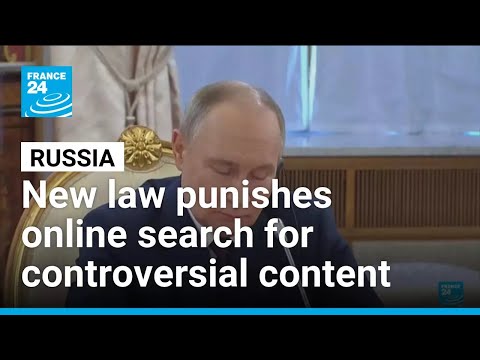
Media freedom and censorship are significant concerns in Russia, with reports of restrictions on freedom of speech and the media. The Russian government has passed laws that have restricted the activities of independent media outlets, and it has used anti-extremism laws to prosecute journalists and opposition activists. The Committee to Protect Journalists has criticized the Russian government for its treatment of journalists, and the Human Rights Watch has expressed concerns about the situation in Russia. The EU-Russia relations have been strained due to concerns about media freedom and other issues, and the US-Russia relations have been tense due to disagreements over human rights and other issues.
📊 Judicial Reform and Access to Justice
Judicial reform and access to justice are significant concerns in Russia, with reports of corruption and abuse of power within the judiciary. The Russian government has implemented policies aimed at reforming the judiciary, including the introduction of new laws and regulations. However, the government has been criticized for its failure to effectively address corruption and ensure access to justice. The World Bank has criticized Russia for its poor governance and corruption, and the EU-Russia relations have been strained due to concerns about judicial reform and other issues. The US-Russia relations have been tense due to disagreements over human rights and other issues.
🌐 Global Influence of Russian Law
The global influence of Russian law is a significant aspect of the country's legal system, with Russia playing a major role in international affairs. The Russian Federation is a member of the United Nations and other international organizations, and it has signed numerous international treaties and agreements. However, Russia has been criticized for its actions in Ukraine and other countries, and it has been subject to international sanctions. The EU-Russia relations have been strained due to concerns about democratic backsliding and human rights, and the US-Russia relations have been tense due to disagreements over international law and other issues.
Key Facts
- Year
- 1993
- Origin
- Moscow, Russia
- Category
- Law and Governance
- Type
- Legal Framework
Frequently Asked Questions
What is the structure of the Russian government?
The Russian government is a federal system with a strong central government, and it is divided into three branches: the executive, legislative, and judicial. The Russian President serves as the head of state and has significant powers, including the ability to appoint the Prime Minister and other key officials. The State Duma is the lower house of the Russian parliament, and it is responsible for passing laws and approving the budget. The Council of Federation is the upper house of the Russian parliament, and it has the power to review and approve legislation.
What are the main human rights concerns in Russia?
The main human rights concerns in Russia include restrictions on freedom of speech, assembly, and association, as well as the use of anti-extremism laws to prosecute opposition activists and journalists. The Human Rights Watch and other organizations have criticized the Russian government for its human rights record, and the EU-Russia relations have been strained due to concerns about democratic backsliding. The US-Russia relations have been tense due to disagreements over human rights and other issues.
What is the role of the Russian Constitution in the country's legal system?
The Russian Constitution is the supreme law of the land, and it establishes the principles of federalism, democracy, and the rule of law. The Constitution provides for a federal system with a strong central government, and it outlines the structure and powers of the government. The Constitution also establishes the rights and freedoms of citizens, including the right to freedom of speech, assembly, and association. However, the Constitution has been amended several times since its adoption, and some of these amendments have raised concerns about the erosion of democratic freedoms.
How does Russia's legal system impact its international relations?
Russia's legal system has a significant impact on its international relations, with the country's actions in Ukraine and other countries raising concerns about democratic backsliding and human rights. The EU-Russia relations have been strained due to concerns about democratic backsliding and human rights, and the US-Russia relations have been tense due to disagreements over international law and other issues. The World Trade Organization has criticized Russia for its trade practices, and the International Criminal Court has launched an investigation into war crimes in Ukraine.
What are the main challenges facing Russia's legal system?
The main challenges facing Russia's legal system include corruption and abuse of power, restrictions on civil liberties, and the use of anti-extremism laws to prosecute opposition activists and journalists. The Human Rights Watch and other organizations have criticized the Russian government for its human rights record, and the EU-Russia relations have been strained due to concerns about democratic backsliding. The US-Russia relations have been tense due to disagreements over human rights and other issues.