
Contents
- 🏥 Origins & History
- ⚙️ How It Works
- 📊 Key Facts & Numbers
- 👥 Key People & Organizations
- 🌍 Cultural Impact & Influence
- ⚡ Current State & Latest Developments
- 🤔 Controversies & Debates
- 🔮 Future Outlook & Predictions
- 💡 Practical Applications
- 📚 Related Topics & Deeper Reading
- Frequently Asked Questions
- References
- Related Topics
Overview
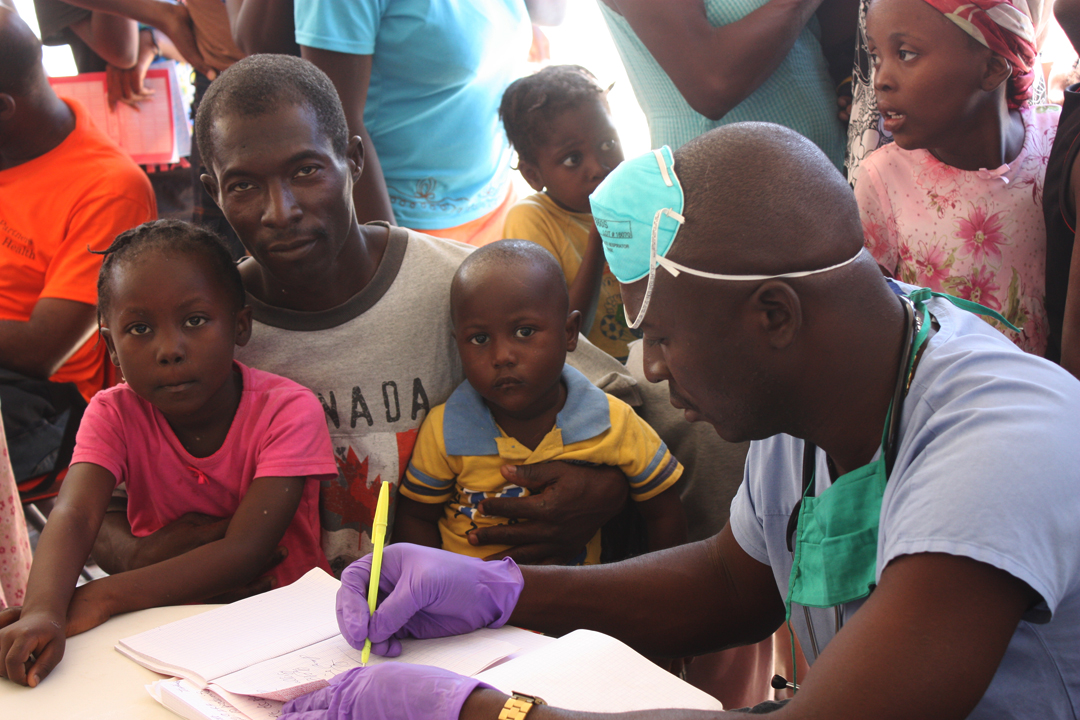
Rural health clinics play a vital role in delivering essential medical services to underserved communities, often in areas where access to healthcare is limited. According to the National Rural Health Association, over 60 million people in the United States live in rural areas, with limited access to healthcare services. Rural health clinics, such as those supported by Partners In Health, provide a range of healthcare services, from primary care to specialty care, and often serve as the only healthcare provider in their community. With the help of organizations like American Rural Health Association and Rural Health Clinics Association, these clinics are working to address the unique healthcare challenges faced by rural communities, including limited access to healthcare providers, higher rates of chronic disease, and poorer health outcomes. As noted by the Centers for Disease Control and Prevention, rural health clinics are essential in reducing health disparities and improving health outcomes in underserved communities.
🏥 Origins & History
Rural health clinics have a long history of providing essential medical services to underserved communities. The concept of rural health clinics dates back to the 1960s, when the US Department of Health and Human Services launched the Rural Health Clinics Program to address the shortage of healthcare providers in rural areas. Since then, organizations like National Association of Community Health Centers and Rural Health Information Hub have worked to support the development and operation of rural health clinics. Today, there are over 4,000 rural health clinics in the United States, providing care to millions of people. For example, the Rural Health Clinic in Montana has been recognized for its innovative approach to providing healthcare services to rural communities.
⚙️ How It Works
Rural health clinics provide a range of healthcare services, including primary care, dental care, and mental health services. These clinics often employ a team of healthcare professionals, including physicians, nurse practitioners, and dentists, who work together to provide comprehensive care to patients. Rural health clinics also often partner with other healthcare organizations, such as Hospitals and Specialty Care Providers, to provide specialized care to patients. According to a study by the Agency for Healthcare Research and Quality, rural health clinics have been shown to improve health outcomes and reduce healthcare costs in rural communities.
📊 Key Facts & Numbers
The impact of rural health clinics cannot be overstated. According to the Health Resources and Services Administration, rural health clinics provide care to over 20 million people in the United States, many of whom would otherwise lack access to healthcare services. Rural health clinics also play a critical role in addressing the unique healthcare challenges faced by rural communities, including higher rates of chronic disease and poorer health outcomes. For example, the Rural Health Clinic in Appalachia has been recognized for its efforts to address the opioid epidemic in rural communities. As noted by the Centers for Disease Control and Prevention, rural health clinics are essential in reducing health disparities and improving health outcomes in underserved communities.
👥 Key People & Organizations
There are many key people and organizations involved in the operation and support of rural health clinics. Organizations like Partners In Health and National Rural Health Association work to provide funding, technical assistance, and other support to rural health clinics. Individuals like Paul Farmer, a co-founder of Partners In Health, have dedicated their careers to improving healthcare in rural and underserved communities. According to a report by the Commonwealth Fund, these efforts have been shown to improve health outcomes and reduce healthcare costs in rural communities.
🌍 Cultural Impact & Influence
Rural health clinics have a significant cultural impact and influence on the communities they serve. These clinics often serve as a lifeline for rural communities, providing not only medical care but also social and emotional support. Rural health clinics also play a critical role in promoting health and wellness in rural communities, through initiatives such as health education and disease prevention programs. For example, the Rural Health Clinic in Texas has been recognized for its efforts to promote health and wellness in rural communities through its community-based programs. As noted by the Centers for Disease Control and Prevention, rural health clinics are essential in promoting health and wellness in underserved communities.
⚡ Current State & Latest Developments
The current state of rural health clinics is one of both challenge and opportunity. Despite the many successes of rural health clinics, these organizations continue to face significant challenges, including limited funding, staffing shortages, and inadequate infrastructure. However, there are also many opportunities for growth and innovation in rural healthcare, including the use of telemedicine and other digital health technologies. According to a report by the Federal Office of Rural Health Policy, these technologies have the potential to improve health outcomes and reduce healthcare costs in rural communities.
🤔 Controversies & Debates
There are several controversies and debates surrounding rural health clinics, including issues related to funding, access, and quality of care. Some critics argue that rural health clinics are not adequately funded, and that this lack of funding can compromise the quality of care provided to patients. Others argue that rural health clinics are not always accessible to all members of the community, particularly those who live in remote or isolated areas. For example, the Rural Health Clinic in Alaska has been recognized for its efforts to address the unique healthcare challenges faced by rural communities in Alaska.
🔮 Future Outlook & Predictions
The future outlook for rural health clinics is one of continued growth and innovation. As the healthcare landscape continues to evolve, rural health clinics are likely to play an increasingly important role in providing essential medical services to underserved communities. With the help of organizations like National Rural Health Association and Rural Health Clinics Association, rural health clinics are working to address the unique healthcare challenges faced by rural communities, and to promote health and wellness in these communities. According to a report by the Centers for Disease Control and Prevention, rural health clinics are essential in reducing health disparities and improving health outcomes in underserved communities.
💡 Practical Applications
Rural health clinics have many practical applications, including providing primary care, dental care, and mental health services to patients. These clinics also often provide health education and disease prevention programs, and work to promote health and wellness in rural communities. For example, the Rural Health Clinic in Georgia has been recognized for its efforts to provide health education and disease prevention programs to rural communities. As noted by the Agency for Healthcare Research and Quality, rural health clinics have been shown to improve health outcomes and reduce healthcare costs in rural communities.
Key Facts
- Year
- 1960s
- Origin
- United States
- Category
- public-health
- Type
- concept
Frequently Asked Questions
What is a rural health clinic?
A rural health clinic is a healthcare facility that provides essential medical services to underserved communities in rural areas. These clinics often provide primary care, dental care, and mental health services, and may also offer health education and disease prevention programs. According to the Health Resources and Services Administration, rural health clinics play a critical role in addressing the unique healthcare challenges faced by rural communities.
What are the challenges faced by rural health clinics?
Rural health clinics face a number of challenges, including limited funding, staffing shortages, and inadequate infrastructure. These challenges can compromise the quality of care provided to patients and limit access to healthcare services. According to a report by the Federal Office of Rural Health Policy, addressing these challenges is essential in improving health outcomes and reducing healthcare costs in rural communities.
What is the cultural impact of rural health clinics?
Rural health clinics have a significant cultural impact and influence on the communities they serve. These clinics often serve as a lifeline for rural communities, providing not only medical care but also social and emotional support. According to a report by the Centers for Disease Control and Prevention, rural health clinics are essential in promoting health and wellness in underserved communities.
What is the future outlook for rural health clinics?
The future outlook for rural health clinics is one of continued growth and innovation. With the help of organizations like National Rural Health Association and Rural Health Clinics Association, rural health clinics are working to address the unique healthcare challenges faced by rural communities, and to promote health and wellness in these communities. According to a report by the Agency for Healthcare Research and Quality, rural health clinics have been shown to improve health outcomes and reduce healthcare costs in rural communities.
How can I get involved in supporting rural health clinics?
There are many ways to get involved in supporting rural health clinics, including volunteering, donating, and advocating for policies that support rural healthcare. According to a report by the Commonwealth Fund, addressing health disparities and improving healthcare access are essential in reducing health disparities and improving health outcomes in underserved communities.
What are some examples of successful rural health clinics?
There are many examples of successful rural health clinics, including the Rural Health Clinic in Montana and the Rural Health Clinic in Appalachia. These clinics have been recognized for their innovative approaches to providing healthcare services to rural communities, and for their efforts to address the unique healthcare challenges faced by these communities. According to a report by the Centers for Disease Control and Prevention, these clinics are essential in reducing health disparities and improving health outcomes in underserved communities.
How can rural health clinics address the opioid epidemic in rural communities?
Rural health clinics can address the opioid epidemic in rural communities by providing medication-assisted treatment, counseling, and other services to patients struggling with addiction. According to a report by the Centers for Disease Control and Prevention, rural health clinics are essential in addressing the opioid epidemic in rural communities.