
Contents
Overview
The concept of running shoes began to take shape in the early 20th century, with the introduction of the first athletic shoes by companies like Converse and Spalding. However, it wasn't until the 1960s and 1970s that running shoes started to gain popularity, driven by the rise of jogging as a recreational activity. Bill Bowerman, co-founder of Nike, played a pivotal role in revolutionizing running shoe design with the introduction of the waffle sole in the 1970s. This innovation, inspired by Bowerman's wife's waffle iron, provided better traction and cushioning, setting the stage for the modern running shoes we know today.
🔍 How It Works
Running shoes are designed to provide a combination of support, stability, and cushioning to runners. The midsole, often made from materials like EVA (ethylene-vinyl acetate) or polyurethane, absorbs shock and distributes pressure evenly. The outsole, typically made from rubber or a rubber-like material, offers traction and durability. ASICS, a Japanese sports equipment company, is renowned for its high-performance running shoes, which often feature advanced technologies like GEL cushioning and FlyteFoam midsoles. In contrast, Brooks Running focuses on providing a more personalized fit with its DNA (Dynamic Neural Activation) technology, which adapts to the runner's stride and foot shape.
🌎 Cultural Impact
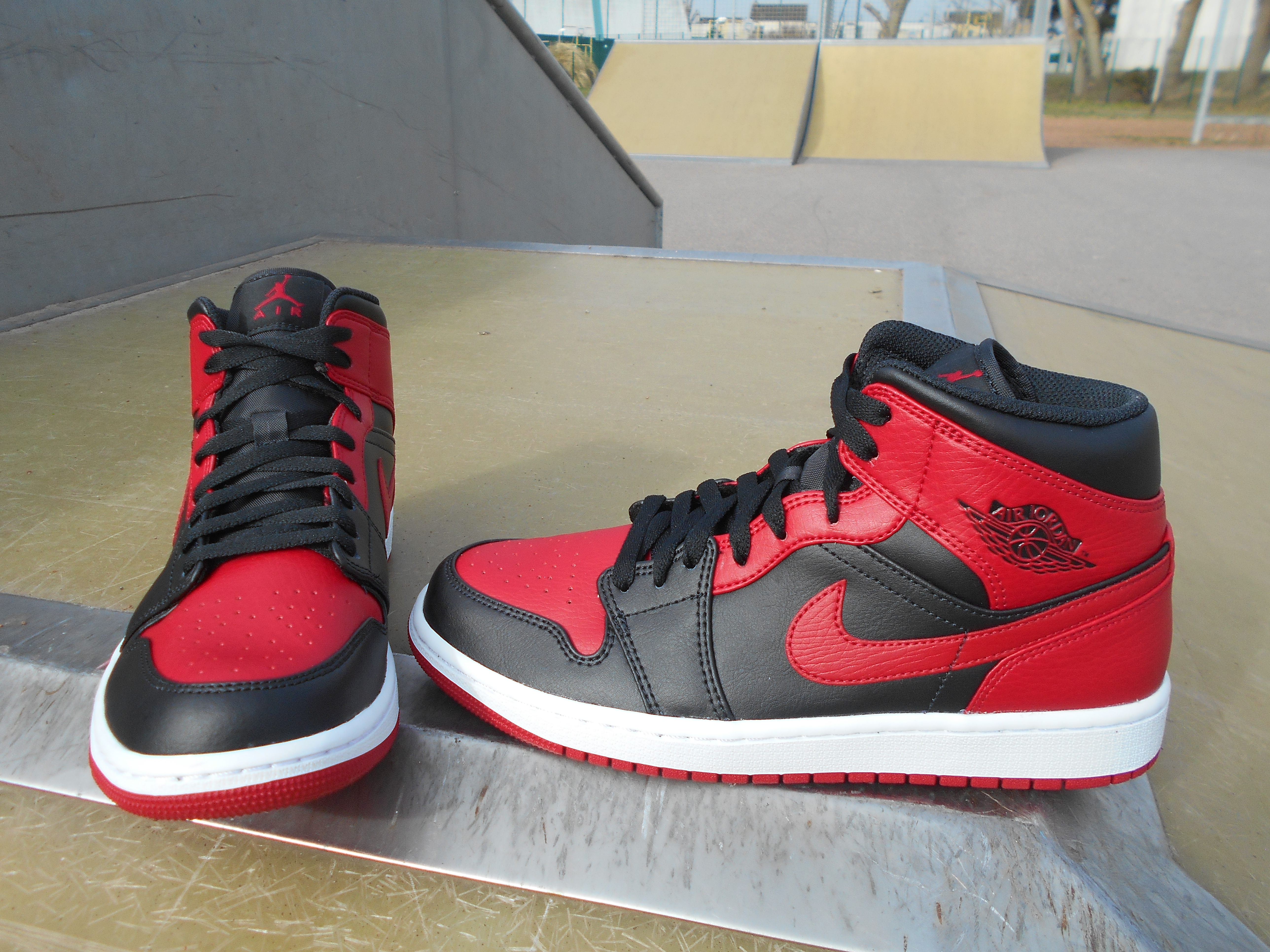
The cultural impact of running shoes extends far beyond the realm of athletics. Running shoes have become a fashion statement, with many people wearing them as casual, everyday footwear. The rise of sneaker culture has led to the creation of limited-edition running shoes, often in collaboration with famous designers or artists. For example, Nike has partnered with Virgil Abloh to create unique, fashion-forward running shoes that blur the line between performance and style. Additionally, running shoes have played a significant role in promoting physical activity and healthy lifestyles, with many charities and organizations using running events as a platform for fundraising and awareness.
🔮 Legacy & Future
As the running shoe industry continues to evolve, we can expect to see even more innovative technologies and sustainable materials being integrated into shoe design. Under Armour, for instance, has developed a range of running shoes featuring Micro G cushioning and Charged Cushioning systems. Meanwhile, companies like Patagonia and Reebok are focusing on reducing waste and environmental impact through the use of recycled materials and more efficient manufacturing processes. As the demand for high-performance, eco-friendly running shoes grows, it will be exciting to see how manufacturers respond to these challenges and opportunities.
Key Facts
- Year
- 1917
- Origin
- United States
- Category
- fitness
- Type
- product
Frequently Asked Questions
What are the key features of a good running shoe?
A good running shoe should provide adequate support, cushioning, and traction. It's also important to consider factors like fit, weight, and breathability. Companies like Nike and Adidas offer a wide range of running shoes with advanced features like Flyknit and Boost technologies. Additionally, Brooks Running and ASICS are known for their supportive and stable running shoes, which often feature DNA and GEL technologies, respectively.
How often should I replace my running shoes?
The frequency of replacing running shoes depends on various factors, including mileage, running style, and personal preference. Generally, it's recommended to replace running shoes every 300-500 miles or every 3-6 months. Nike and New Balance offer guidance on shoe replacement, and many running shoe retailers provide gait analysis and fitting services to help runners find the right shoe for their needs.
What are the benefits of running in minimalist shoes?
Running in minimalist shoes, like those offered by Vibram and New Balance, can help strengthen the feet and ankles, improve running form, and reduce the risk of injury. However, it's essential to transition gradually to minimalist shoes to avoid putting excessive stress on the feet and lower legs. Nike and Adidas also offer minimalist running shoes with advanced features like Free and Adizero technologies.
Can running shoes be customized to fit individual foot shapes?
Yes, many running shoe manufacturers, such as Nike and Brooks Running, offer customization options to cater to individual foot shapes and running styles. This can include features like adjustable lacing systems, customizable midsoles, and personalized fit recommendations. Adidas and New Balance also provide customization options, such as mi Adidas and New Balance Custom, which allow runners to design their own shoes with specific materials, colors, and technologies.
What are the most popular running shoe brands?
The most popular running shoe brands include Nike, Adidas, New Balance, ASICS, and Brooks Running. These brands offer a wide range of running shoes with advanced features, technologies, and designs to cater to different running styles, preferences, and needs. Other notable brands, like Under Armour and Reebok, also offer high-quality running shoes with innovative features and designs.