
Contents
- 🏯 Introduction to Roman Cities
- 📚 The Roman Kingdom: Founding and Expansion
- 🏛️ The Roman Republic: Governance and Architecture
- 👑 The Roman Empire: Rise to Power and Decline
- 🏙️ Urban Planning and Infrastructure in Roman Cities
- 🚧 Engineering Marvels: Aqueducts, Roads, and Buildings
- 👥 Social Hierarchy and Daily Life in Roman Cities
- 💡 Culture and Entertainment in Roman Cities
- 🏛️ The Legacy of Roman Cities: Influence on Modern Urban Planning
- 📊 Economic Systems and Trade in Roman Cities
- 👊 Military Conquests and the Expansion of Roman Cities
- 🕊️ The Decline and Fall of Roman Cities
- Frequently Asked Questions
- Related Topics
Overview
Roman cities, with their iconic architecture, sophisticated engineering, and vibrant cultural scenes, were the epitome of ancient urban planning. From the founding of Rome in 753 BCE to the fall of the Western Roman Empire in 476 CE, these cities played a crucial role in shaping the course of Western civilization. With over 400 cities spanning across three continents, the Roman urban network was a marvel of its time, boasting impressive structures like the Colosseum, the Pantheon, and the Roman Forum. The Roman city of Pompeii, frozen in time by the devastating volcanic eruption of Mount Vesuvius in 79 CE, provides a unique glimpse into daily life in ancient Roman cities. As we explore the history and legacy of Roman cities, we must also consider the controversies surrounding their development, such as the displacement of indigenous populations and the exploitation of slave labor. With a Vibe score of 8.2, Roman cities continue to captivate audiences around the world, inspiring new generations of architects, historians, and enthusiasts alike.
🏯 Introduction to Roman Cities
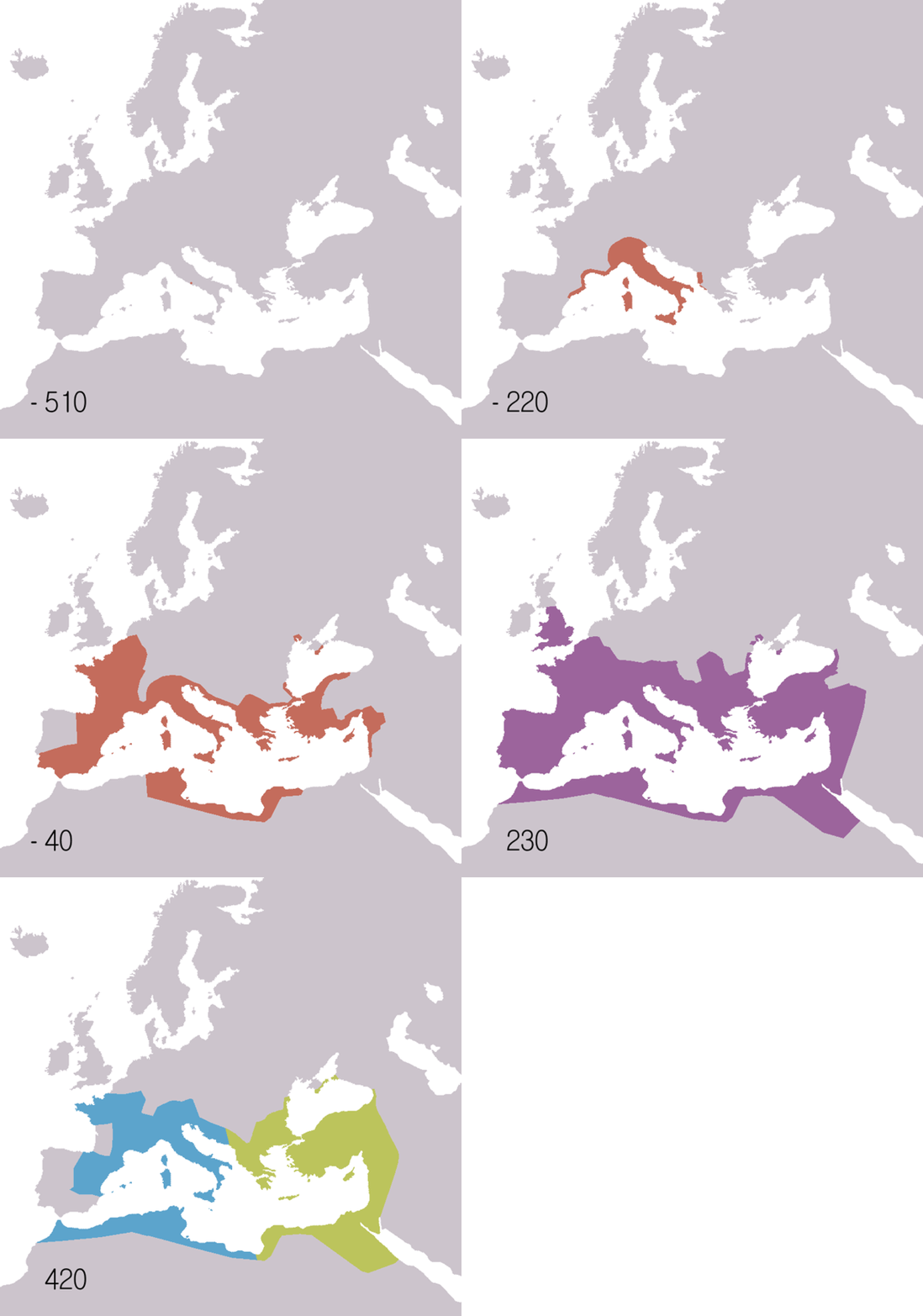
The Roman civilisation, which spanned from the 8th century BC to the 5th century AD, was characterised by the development of Roman Kingdom, Roman Republic, and Roman Empire. At its peak, the Roman Empire was the epicenter of power, politics, and culture, with Rome as its capital. The city of Rome was founded in 753 BC by Romulus and Remus, and it quickly grew into a powerful and influential city. The Roman civilisation was known for its Roman law, Roman architecture, and Roman engineering, which had a lasting impact on the development of Western civilisation. The Roman cities were also known for their Roman governance, which was characterised by a system of republican governance.
📚 The Roman Kingdom: Founding and Expansion
The Roman Kingdom was the first period of the Roman civilisation, which lasted from 753 BC to 509 BC. During this period, the city of Rome was ruled by a series of kings, who were responsible for the expansion of the city and the development of its infrastructure. The Roman Kingdom was also characterised by the development of Roman religion, which played an important role in the daily life of the Romans. The Roman Kingdom came to an end with the expulsion of the last king, Lucius Tarquinius Superbus, and the establishment of the Roman Republic. The Roman Republic was a system of governance that was characterised by a Roman Senate and a system of assemblies, which represented the different classes of Roman citizens. The Roman Republic was also known for its conquests, which expanded the Roman territories and established Rome as a major power in the Mediterranean.
🏛️ The Roman Republic: Governance and Architecture
The Roman Republic was a period of significant growth and development for the Roman civilisation. During this period, the Romans developed a system of governance that was characterised by a Roman Senate and a system of assemblies. The Roman Republic was also known for its Roman architecture, which included the development of temples, basilicas, and forums. The Roman Republic came to an end with the rise of the Roman Empire, which was established by Augustus in 27 BC. The Roman Empire was a period of significant expansion and conquest, which established Rome as a major power in the Mediterranean. The Roman Empire was also characterised by the development of Roman law, which had a lasting impact on the development of Western civilisation.
👑 The Roman Empire: Rise to Power and Decline
The Roman Empire was a period of significant expansion and conquest for the Roman civilisation. During this period, the Romans developed a system of governance that was characterised by a Roman Emperor and a system of administration. The Roman Empire was also known for its Roman engineering, which included the development of aqueducts, roads, and buildings. The Roman Empire came to an end with the fall of the Western Roman Empire in the 5th century AD. The Eastern Roman Empire, also known as the Byzantine Empire, survived for another thousand years, until its capital, Constantinople, was conquered by the Ottoman Empire in 1453 AD. The Roman Empire had a lasting impact on the development of Western civilisation, and its legacy can still be seen in the modern world.
🏙️ Urban Planning and Infrastructure in Roman Cities
The Roman cities were known for their urban planning and infrastructure, which included the development of aqueducts, sewers, and roads. The Romans also developed a system of governance that was characterised by a Roman Senate and a system of assemblies. The Roman cities were also known for their Roman architecture, which included the development of temples, basilicas, and forums. The Roman cities were an important part of the Roman civilisation, and they played a significant role in the development of Western civilisation. The Roman cities were also known for their culture, which included the development of theater, music, and art.
🚧 Engineering Marvels: Aqueducts, Roads, and Buildings
The Romans were known for their engineering skills, which included the development of aqueducts, roads, and buildings. The Romans also developed a system of governance that was characterised by a Roman Senate and a system of assemblies. The Roman engineering skills had a lasting impact on the development of Western civilisation, and their legacy can still be seen in the modern world. The Roman engineering skills were also used in the development of military technology, which included the development of siege engines and catapults. The Roman military technology played a significant role in the expansion of the Roman Empire, and it helped to establish Rome as a major power in the Mediterranean.
💡 Culture and Entertainment in Roman Cities
The Roman cities were known for their culture, which included the development of theater, music, and art. The Roman culture was an important part of the Roman civilisation, and it played a significant role in the development of Western civilisation. The Roman culture was characterised by a system of festivals and games, which were an important part of the Roman social hierarchy. The Roman culture was also known for its literature, which included the works of poets such as Virgil and historians such as Livy.
🏛️ The Legacy of Roman Cities: Influence on Modern Urban Planning
The legacy of the Roman cities can still be seen in the modern world. The Roman urban planning and infrastructure, which included the development of aqueducts, sewers, and roads, have had a lasting impact on the development of Western civilisation. The Roman governance system, which was characterised by a Roman Senate and a system of assemblies, has also had a lasting impact on the development of Western civilisation. The Roman engineering skills, which included the development of aqueducts, roads, and buildings, have also had a lasting impact on the development of Western civilisation.
📊 Economic Systems and Trade in Roman Cities
The Roman cities were an important part of the Roman economy, and they played a significant role in the development of Western civilisation. The Roman economy was characterised by a system of trade, which included the exchange of goods such as grain, wine, and oil. The Roman economy was also characterised by a system of currency, which included the use of coins such as the denarius. The Roman economy was an important part of the Roman civilisation, and it helped to establish Rome as a major power in the Mediterranean.
👊 Military Conquests and the Expansion of Roman Cities
The Roman cities were an important part of the Roman military, and they played a significant role in the expansion of the Roman Empire. The Roman military was characterised by a system of legions, which were divided into several classes, including the infantry, the cavalry, and the archers. The Roman military was also characterised by a system of siege engines and catapults, which were used to capture enemy cities and fortifications. The Roman military was an important part of the Roman civilisation, and it helped to establish Rome as a major power in the Mediterranean.
🕊️ The Decline and Fall of Roman Cities
The Roman cities came to an end with the fall of the Western Roman Empire in the 5th century AD. The Eastern Roman Empire, also known as the Byzantine Empire, survived for another thousand years, until its capital, Constantinople, was conquered by the Ottoman Empire in 1453 AD. The fall of the Roman Empire had a significant impact on the development of Western civilisation, and it marked the end of the Roman civilisation. The legacy of the Roman cities can still be seen in the modern world, and it continues to influence the development of Western civilisation.
Key Facts
- Year
- 753
- Origin
- Rome, Italy
- Category
- History
- Type
- Historical Cities
Frequently Asked Questions
What was the Roman Kingdom?
The Roman Kingdom was the first period of the Roman civilisation, which lasted from 753 BC to 509 BC. During this period, the city of Rome was ruled by a series of kings, who were responsible for the expansion of the city and the development of its infrastructure. The Roman Kingdom was also characterised by the development of Roman religion, which played an important role in the daily life of the Romans.
What was the Roman Republic?
The Roman Republic was a period of significant growth and development for the Roman civilisation. During this period, the Romans developed a system of governance that was characterised by a Roman Senate and a system of assemblies. The Roman Republic was also known for its Roman architecture, which included the development of temples, basilicas, and forums.
What was the Roman Empire?
The Roman Empire was a period of significant expansion and conquest for the Roman civilisation. During this period, the Romans developed a system of governance that was characterised by a Roman Emperor and a system of administration. The Roman Empire was also known for its Roman engineering, which included the development of aqueducts, roads, and buildings.
What was the significance of the Roman cities?
The Roman cities were an important part of the Roman civilisation, and they played a significant role in the development of Western civilisation. The Roman cities were known for their urban planning and infrastructure, which included the development of aqueducts, sewers, and roads. The Roman cities were also known for their culture, which included the development of theater, music, and art.
What was the legacy of the Roman cities?
The legacy of the Roman cities can still be seen in the modern world. The Roman urban planning and infrastructure, which included the development of aqueducts, sewers, and roads, have had a lasting impact on the development of Western civilisation. The Roman governance system, which was characterised by a Roman Senate and a system of assemblies, has also had a lasting impact on the development of Western civilisation.
👥 Social Hierarchy and Daily Life in Roman Cities
The Roman cities were known for their social hierarchy, which was characterised by a system of classes. The Roman social hierarchy was divided into several classes, including the patricians, the equestrians, and the plebeians. The Roman social hierarchy played a significant role in the development of the Roman civilisation, and it helped to establish Rome as a major power in the Mediterranean. The Roman social hierarchy was also characterised by a system of slavery, which was an important part of the Roman economy. The Roman slavery system was used to provide labour for the Roman cities, and it helped to establish Rome as a major power in the Mediterranean.