
Contents
- 🌴 Introduction to Retirement Visas
- 📈 Benefits of Retirement Visas
- 🌍 Popular Destinations for Retirement Visas
- 📊 Eligibility and Application Process
- 🏠 Housing and Cost of Living
- 🏥 Healthcare and Insurance
- 💸 Financial Requirements and Tax Implications
- 📚 Language Requirements and Cultural Adaptation
- 👥 Community and Social Integration
- 🚨 Potential Drawbacks and Challenges
- 📊 Comparison of Retirement Visa Programs
- Frequently Asked Questions
- Related Topics
Overview
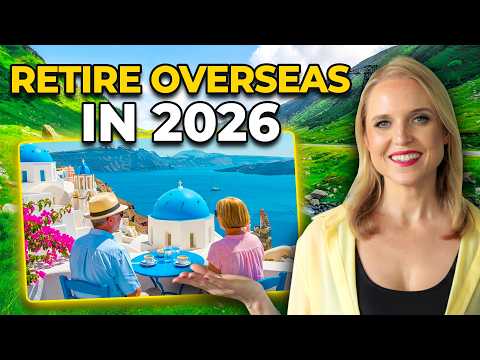
The concept of a retirement visa has gained significant traction in recent years, as individuals from around the world seek to spend their golden years in foreign countries with more favorable climates, lower costs of living, and unique cultural experiences. Countries such as Mexico, Portugal, and Thailand have become popular destinations due to their straightforward retirement visa processes and attractive benefits, including access to local healthcare systems and the ability to import personal goods duty-free. However, the process of obtaining a retirement visa can be complex, involving detailed financial requirements, health insurance, and sometimes language proficiency tests. Despite these challenges, many find the process worthwhile for the opportunity to live abroad and experience new ways of life. With a vibe score of 8 out of 10, the retirement visa has become a sought-after option for those looking to redefine their retirement. As the global landscape continues to evolve, it will be interesting to see how retirement visa policies adapt to meet the changing needs and desires of retirees. The influence of global events, economic shifts, and demographic changes will undoubtedly play a role in shaping the future of retirement visas, making it an area worth watching for both current and prospective retirees.
🌴 Introduction to Retirement Visas
A retirement visa is a type of visa that allows individuals to live in a foreign country during their retirement years. This type of visa is often sought after by those who want to experience a new culture, enjoy a warmer climate, or have a more relaxed pace of life. For example, the Retirement in Mexico program is a popular option for many retirees. To be eligible for a retirement visa, applicants typically need to meet certain age requirements and have a stable income or sufficient savings. The Costa Rica Retirement Visas program is another popular option, known for its relatively low cost of living and stunning natural beauty.
📈 Benefits of Retirement Visas
One of the main benefits of retirement visas is the opportunity to experience a new culture and way of life. Many countries offer a warm climate and a relaxed pace of life, making them ideal for retirees. Additionally, some countries offer tax benefits and other incentives to attract retirees. For instance, the Panama Pensionado Visas program offers a range of discounts and benefits to retirees, including discounts on healthcare and transportation. Retirees can also take advantage of language classes and other resources to help them integrate into their new community.
🌍 Popular Destinations for Retirement Visas
Some popular destinations for retirement visas include Mexico, Costa Rica, and Panama. These countries offer a warm climate, stunning natural beauty, and a relatively low cost of living. Other popular destinations include Portugal and Spain, which offer a more European lifestyle and culture. Retirees can also consider Thailand and Malaysia, which offer a unique cultural experience and a low cost of living. For more information on these destinations, see our guides to Living in Mexico and Living in Costa Rica.
📊 Eligibility and Application Process
The eligibility and application process for retirement visas vary depending on the country. Generally, applicants need to meet certain age requirements and have a stable income or sufficient savings. They may also need to provide proof of health insurance and pass a background check. The application process typically involves submitting an application and supporting documents, such as passport and birth certificate. For example, the Italy Retirement Visas program requires applicants to have a minimum income of €30,000 per year and to purchase health insurance that covers them in Italy.
🏠 Housing and Cost of Living
Housing and cost of living are important considerations for retirees. Many countries offer a range of housing options, from apartments to houses, and the cost of living can vary significantly depending on the location. For example, the cost of living in Bali is relatively low, while the cost of living in New York City is relatively high. Retirees can also take advantage of rental properties and other housing options to find a place that suits their budget and lifestyle. See our guide to Affordable Housing for more information.
🏥 Healthcare and Insurance
Healthcare and insurance are also important considerations for retirees. Many countries have a public healthcare system, but retirees may also need to purchase private health insurance to cover their needs. For example, the Australia Retirement Visas program requires applicants to have private health insurance that covers them in Australia. Retirees can also take advantage of medical tourism and other healthcare options to access high-quality medical care at an affordable price. For more information, see our guide to Healthcare Abroad.
💸 Financial Requirements and Tax Implications
Financial requirements and tax implications are also important considerations for retirees. Many countries have a range of financial requirements, such as a minimum income or savings, and retirees may also need to pay taxes on their income. For example, the Canada Retirement Visas program requires applicants to have a minimum income of $25,000 per year and to pay taxes on their income. Retirees can also take advantage of tax planning and other financial strategies to minimize their tax liability and maximize their retirement income. See our guide to Tax Planning for Retirees for more information.
📚 Language Requirements and Cultural Adaptation
Language requirements and cultural adaptation are also important considerations for retirees. Many countries require retirees to have a basic knowledge of the local language, and cultural adaptation can be a challenge for some retirees. For example, the Japan Retirement Visas program requires applicants to have a basic knowledge of Japanese and to adapt to the local culture. Retirees can also take advantage of language classes and other resources to help them integrate into their new community. See our guide to Cultural Adaptation for more information.
🚨 Potential Drawbacks and Challenges
Potential drawbacks and challenges are also important considerations for retirees. Many countries have a range of challenges, such as bureaucratic red tape and language barriers, and retirees may also need to adapt to a new culture and way of life. For example, the China Retirement Visas program has a range of challenges, including bureaucratic red tape and language barriers. Retirees can also take advantage of relocation services and other resources to help them navigate the challenges of retiring abroad. See our guide to Overcoming Challenges for more information.
📊 Comparison of Retirement Visa Programs
Comparing retirement visa programs is also an important consideration for retirees. Many countries have a range of programs, each with its own benefits and drawbacks, and retirees can also take advantage of visa comparisons and other resources to find the best program for their needs. For example, the Singapore Retirement Visas program offers a range of benefits, including a low cost of living and a high standard of living. Retirees can also consider the Malaysia My Second Home program, which offers a range of benefits, including a low cost of living and a relaxed pace of life. See our guide to Comparing Visa Programs for more information.
Key Facts
- Year
- 2023
- Origin
- Global
- Category
- Immigration and Travel
- Type
- Government Program
Frequently Asked Questions
What is a retirement visa?
A retirement visa is a type of visa that allows individuals to live in a foreign country during their retirement years. This type of visa is often sought after by those who want to experience a new culture, enjoy a warmer climate, or have a more relaxed pace of life. For more information, see our guide to Retirement Visas.
What are the benefits of retirement visas?
The benefits of retirement visas include the opportunity to experience a new culture and way of life, a warm climate, and a relatively low cost of living. Many countries also offer tax benefits and other incentives to attract retirees. For example, the Panama Pensionado Visas program offers a range of discounts and benefits to retirees, including discounts on healthcare and transportation.
What are the eligibility requirements for retirement visas?
The eligibility requirements for retirement visas vary depending on the country. Generally, applicants need to meet certain age requirements and have a stable income or sufficient savings. They may also need to provide proof of health insurance and pass a background check. For example, the Italy Retirement Visas program requires applicants to have a minimum income of €30,000 per year and to purchase health insurance that covers them in Italy.
How do I apply for a retirement visa?
The application process for retirement visas typically involves submitting an application and supporting documents, such as passport and birth certificate. Applicants may also need to provide proof of health insurance and pass a background check. For example, the Australia Retirement Visas program requires applicants to have private health insurance that covers them in Australia.
What are the financial requirements for retirement visas?
The financial requirements for retirement visas vary depending on the country. Many countries have a range of financial requirements, such as a minimum income or savings, and retirees may also need to pay taxes on their income. For example, the Canada Retirement Visas program requires applicants to have a minimum income of $25,000 per year and to pay taxes on their income.
How do I choose the best retirement visa program for my needs?
Choosing the best retirement visa program for your needs involves considering a range of factors, including the cost of living, healthcare options, and cultural activities. Retirees can also take advantage of visa comparisons and other resources to find the best program for their needs. For example, the Singapore Retirement Visas program offers a range of benefits, including a low cost of living and a high standard of living.
What are the potential drawbacks and challenges of retirement visas?
The potential drawbacks and challenges of retirement visas include bureaucratic red tape, language barriers, and cultural adaptation. Retirees may also need to adapt to a new culture and way of life, and may experience homesickness or loneliness. For example, the China Retirement Visas program has a range of challenges, including bureaucratic red tape and language barriers.