
Contents
- 🎵 Origins & History
- ⚙️ How It Works
- 📊 Key Facts & Numbers
- 👥 Key People & Organizations
- 🌍 Cultural Impact & Influence
- ⚡ Current State & Latest Developments
- 🤔 Controversies & Debates
- 🔮 Future Outlook & Predictions
- 💡 Practical Applications
- 📚 Related Topics & Deeper Reading
- Frequently Asked Questions
- References
- Related Topics
Overview
Radioimmunoassay (RIA) is a highly sensitive and specific in vitro assay technique used to measure concentrations of substances, such as hormone levels in blood, by utilizing radiolabeled molecules and antibodies. Developed in the 1950s by Rosalyn Yalow and Solomon Berman, RIA has become a crucial tool in medical research and diagnosis, particularly in the field of endocrinology. With its high sensitivity and specificity, RIA is widely used to measure various antigens, including hormones, peptides, and proteins. Although it requires specialized equipment and licensing due to the use of radioactive substances, RIA remains one of the most cost-effective methods for such measurements. The technique has undergone significant advancements over the years, with the development of non-isotopic immunoassays, such as ELISA, which have improved the safety and efficiency of RIA. Today, RIA continues to play a vital role in the diagnosis and monitoring of various diseases, including diabetes, thyroid disorders, and allergies, with the RAST being a notable example of its application.
🎵 Origins & History
The concept of radioimmunoassay was first introduced in the 1950s by Rosalyn Yalow and Solomon Berman, who developed the technique to measure insulin levels in blood. The development of RIA revolutionized the field of endocrinology, enabling researchers to measure hormone levels with high precision and sensitivity. Over the years, RIA has undergone significant advancements, with the introduction of new technologies and techniques, such as IRMA and RAST. Today, RIA is widely used in medical research and diagnosis, with applications in various fields, including oncology, neurology, and infectious diseases.
⚙️ How It Works
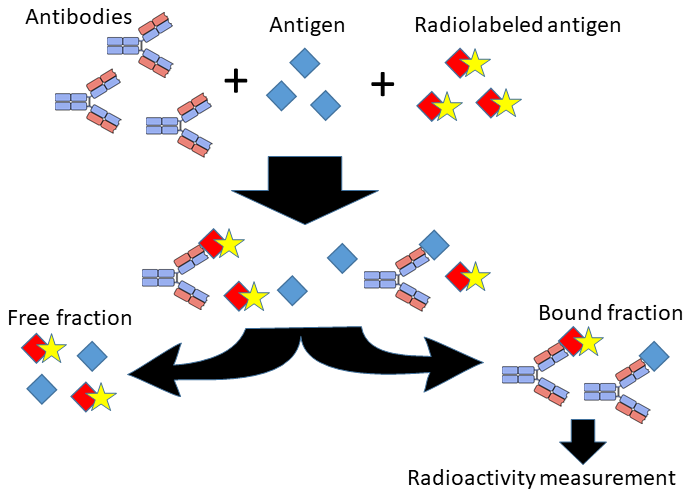
The radioimmunoassay technique involves the use of radiolabeled molecules, which are bound to antibodies, to measure the concentration of antigens in a sample. The process involves several steps, including the preparation of the radiolabeled molecules, the incubation of the sample with the radiolabeled molecules, and the measurement of the bound and free radiolabeled molecules. The technique requires specialized equipment, including gamma counters and scintillation counters, and licensing due to the use of radioactive substances. Despite these requirements, RIA remains one of the most cost-effective methods for measuring antigen concentrations, with a high degree of sensitivity and specificity.
📊 Key Facts & Numbers
Some key facts and numbers about radioimmunoassay include: the technique has a sensitivity of 0.1-1.0 pg/mL, a specificity of 95-99%, and a coefficient of variation of 5-10%. RIA is widely used in medical research and diagnosis, with over 100,000 tests performed annually in the United States alone. The technique has been used to measure a wide range of antigens, including hormones, peptides, and proteins, and has applications in various fields, including oncology, neurology, and infectious diseases. Notable examples of RIA include the RAST, which is used to detect the causative allergen for an allergy, and the IRMA, which is used to measure the levels of various hormones and proteins.
👥 Key People & Organizations
Key people and organizations involved in the development and application of radioimmunoassay include Rosalyn Yalow and Solomon Berman, who developed the technique, and the National Institutes of Health, which has supported research and development in the field. Other notable organizations include the American Association for Clinical Chemistry and the International Society for Immunology of Diseases. These organizations have played a crucial role in promoting the use of RIA in medical research and diagnosis, and have contributed to the development of new technologies and techniques in the field.
🌍 Cultural Impact & Influence
The cultural impact and influence of radioimmunoassay have been significant, with the technique revolutionizing the field of endocrinology and enabling researchers to measure hormone levels with high precision and sensitivity. RIA has also had a major impact on the diagnosis and treatment of various diseases, including diabetes, thyroid disorders, and allergies. The technique has been widely adopted in medical research and diagnosis, with applications in various fields, including oncology, neurology, and infectious diseases. Notable examples of the cultural impact of RIA include the development of new treatments for diabetes and thyroid disorders, and the improved diagnosis and management of allergies.
⚡ Current State & Latest Developments
The current state of radioimmunoassay is one of ongoing development and refinement, with new technologies and techniques being introduced to improve the sensitivity and specificity of the technique. The development of non-isotopic immunoassays, such as ELISA, has improved the safety and efficiency of RIA, and has enabled the technique to be used in a wider range of applications. Despite these advancements, RIA remains a highly specialized technique, requiring specialized equipment and licensing due to the use of radioactive substances. However, the technique continues to play a vital role in medical research and diagnosis, with applications in various fields, including oncology, neurology, and infectious diseases.
🤔 Controversies & Debates
Controversies and debates surrounding radioimmunoassay include concerns about the use of radioactive substances, the sensitivity and specificity of the technique, and the cost and availability of the equipment and reagents required. Some critics have argued that the technique is too sensitive, and that it can detect antigens at levels that are not clinically significant. Others have argued that the technique is too expensive, and that it is not widely available in all parts of the world. However, proponents of RIA argue that the technique is highly sensitive and specific, and that it has revolutionized the field of endocrinology and enabled researchers to measure hormone levels with high precision and sensitivity.
🔮 Future Outlook & Predictions
The future outlook for radioimmunoassay is one of ongoing development and refinement, with new technologies and techniques being introduced to improve the sensitivity and specificity of the technique. The development of non-isotopic immunoassays, such as ELISA, is expected to continue, and is likely to improve the safety and efficiency of RIA. Additionally, the development of new applications for RIA, such as the diagnosis and monitoring of infectious diseases, is expected to continue, and is likely to further expand the use of the technique in medical research and diagnosis.
💡 Practical Applications
Practical applications of radioimmunoassay include the diagnosis and monitoring of various diseases, including diabetes, thyroid disorders, and allergies. The technique is also used in medical research, to measure the levels of various hormones and proteins, and to study the mechanisms of disease. Notable examples of the practical applications of RIA include the RAST, which is used to detect the causative allergen for an allergy, and the IRMA, which is used to measure the levels of various hormones and proteins.
Key Facts
- Year
- 1950s
- Origin
- United States
- Category
- chronic-conditions
- Type
- concept
Frequently Asked Questions
What is radioimmunoassay?
Radioimmunoassay (RIA) is a highly sensitive and specific in vitro assay technique used to measure concentrations of substances, such as hormone levels in blood, by utilizing radiolabeled molecules and antibodies. The technique was developed in the 1950s by Rosalyn Yalow and Solomon Berman, and has since become a crucial tool in medical research and diagnosis. RIA is widely used in various fields, including oncology, neurology, and infectious diseases, and has applications in the diagnosis and monitoring of diseases such as diabetes, thyroid disorders, and allergies.
How does radioimmunoassay work?
The radioimmunoassay technique involves the use of radiolabeled molecules, which are bound to antibodies, to measure the concentration of antigens in a sample. The process involves several steps, including the preparation of the radiolabeled molecules, the incubation of the sample with the radiolabeled molecules, and the measurement of the bound and free radiolabeled molecules. The technique requires specialized equipment, including gamma counters and scintillation counters, and licensing due to the use of radioactive substances. Despite these requirements, RIA remains one of the most cost-effective methods for measuring antigen concentrations, with a high degree of sensitivity and specificity.
What are the advantages and limitations of radioimmunoassay?
The advantages of radioimmunoassay include its high sensitivity and specificity, its ability to measure antigen concentrations at very low levels, and its relatively low cost compared to other methods. However, the technique also has some limitations, including the use of radioactive substances, which requires specialized equipment and licensing, and the potential for interference from other substances in the sample. Additionally, RIA is a highly specialized technique, requiring specialized training and expertise to perform accurately.
What are the applications of radioimmunoassay?
Radioimmunoassay has a wide range of applications in medical research and diagnosis, including the diagnosis and monitoring of diseases such as diabetes, thyroid disorders, and allergies. The technique is also used in medical research, to measure the levels of various hormones and proteins, and to study the mechanisms of disease. Notable examples of the applications of RIA include the RAST, which is used to detect the causative allergen for an allergy, and the IRMA, which is used to measure the levels of various hormones and proteins.
What is the future outlook for radioimmunoassay?
The future outlook for radioimmunoassay is one of ongoing development and refinement, with new technologies and techniques being introduced to improve the sensitivity and specificity of the technique. The development of non-isotopic immunoassays, such as ELISA, is expected to continue, and is likely to improve the safety and efficiency of RIA. Additionally, the development of new applications for RIA, such as the diagnosis and monitoring of infectious diseases, is expected to continue, and is likely to further expand the use of the technique in medical research and diagnosis.
How does radioimmunoassay compare to other immunoassay techniques?
Radioimmunoassay is a highly sensitive and specific in vitro assay technique, but it has some limitations, including the use of radioactive substances and the potential for interference from other substances in the sample. Other immunoassay techniques, such as ELISA and IRMA, have some advantages over RIA, including the use of non-isotopic labels and the potential for higher throughput. However, RIA remains a widely used and highly respected technique in medical research and diagnosis, and is likely to continue to play a major role in the field for many years to come.
What are the potential risks and benefits of radioimmunoassay?
The potential risks of radioimmunoassay include the use of radioactive substances, which requires specialized equipment and licensing, and the potential for interference from other substances in the sample. However, the benefits of RIA include its high sensitivity and specificity, its ability to measure antigen concentrations at very low levels, and its relatively low cost compared to other methods. Additionally, RIA has a wide range of applications in medical research and diagnosis, and is likely to continue to play a major role in the field for many years to come.
How is radioimmunoassay used in medical research and diagnosis?
Radioimmunoassay is widely used in medical research and diagnosis, including the diagnosis and monitoring of diseases such as diabetes, thyroid disorders, and allergies. The technique is also used in medical research, to measure the levels of various hormones and proteins, and to study the mechanisms of disease. Notable examples of the use of RIA in medical research and diagnosis include the RAST, which is used to detect the causative allergen for an allergy, and the IRMA, which is used to measure the levels of various hormones and proteins.
What are the potential applications of radioimmunoassay in the future?
The potential applications of radioimmunoassay in the future include the diagnosis and monitoring of infectious diseases, the measurement of biomarkers for disease diagnosis and monitoring, and the development of new treatments for diseases. Additionally, the development of non-isotopic immunoassays, such as ELISA, is expected to continue, and is likely to improve the safety and efficiency of RIA. The use of RIA in medical research and diagnosis is likely to continue to expand, and is likely to play a major role in the development of new treatments and therapies for a wide range of diseases.