
Contents
- 📊 Introduction to Purchasing Power
- 💸 Understanding Purchasing Power Parity
- 📈 Factors Affecting Purchasing Power
- 📊 Measuring Purchasing Power
- 🌎 International Comparisons of Purchasing Power
- 💰 Impact of Inflation on Purchasing Power
- 📊 Purchasing Power and Economic Growth
- 🤝 Purchasing Power and Income Inequality
- 🌐 Global Purchasing Power Trends
- 📊 Conclusion and Future Outlook
- Frequently Asked Questions
- Related Topics
Overview
Purchasing power, a concept that has been debated by economists such as Adam Smith and John Maynard Keynes, refers to the amount of goods and services that can be purchased with a unit of currency. The purchasing power of consumers has been steadily increasing over the past century, with the global GDP per capita rising from $1,043 in 1960 to $11,428 in 2020, according to the World Bank. However, this growth has not been uniform, with some countries and regions experiencing significant declines in purchasing power due to factors such as inflation, currency devaluation, and economic inequality. The rise of e-commerce and digital payment systems has also transformed the way consumers spend their money, with companies like Amazon and Alibaba dominating the global retail landscape. As the global economy continues to evolve, understanding the dynamics of purchasing power will be crucial for businesses, policymakers, and individuals seeking to navigate the complexities of consumer spending and economic influence. With a vibe score of 8, purchasing power is a highly debated and contested topic, with optimists arguing that increasing purchasing power will drive economic growth and pessimists warning of the risks of inflation and economic instability.
📊 Introduction to Purchasing Power
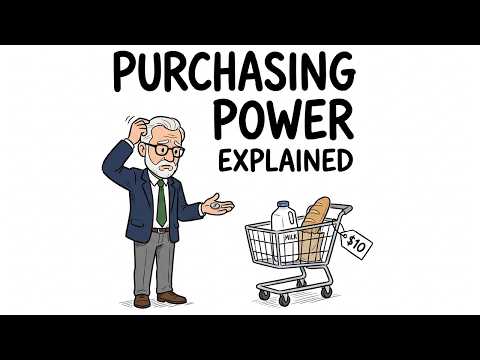
Purchasing power refers to the amount of products and services available for purchase with a certain currency unit. For example, if one spends a single unit of currency at a store to purchase products, then returns at a later date and spends a single unit of currency but is unable to purchase as many products as they had previously, the currency's purchasing power has decreased. This concept is closely related to Inflation, which is a sustained increase in the general price level of goods and services in an economy over time. The Purchasing Power Parity (PPP) theory states that exchange rates between currencies are in equilibrium when the purchasing power of each currency is equal in both countries. The Consumer Price Index (CPI) is a measure of the average change in prices of a basket of goods and services consumed by households, and is often used to measure purchasing power.
💸 Understanding Purchasing Power Parity
Understanding purchasing power parity is crucial in international trade and finance. The Law of One Price states that in the absence of transportation costs and other barriers, the price of a commodity should be the same in all locations. However, in reality, prices can vary significantly across countries due to differences in Cost of Living and other factors. The Big Mac Index is a lighthearted attempt to measure purchasing power parity by comparing the price of a Big Mac sandwich across countries. The Implied Purchasing Power Parity is a more sophisticated approach that takes into account the differences in the basket of goods and services consumed in different countries.
📈 Factors Affecting Purchasing Power
Several factors can affect purchasing power, including Inflation Rate, Interest Rate, and Exchange Rate. An increase in inflation can reduce the purchasing power of a currency, while a decrease in interest rates can increase borrowing and spending, leading to higher prices and reduced purchasing power. The Terms of Trade also play a crucial role in determining purchasing power, as a country with a strong terms of trade can import more goods and services with the same amount of currency. The Balance of Payments is a statistical statement that summarizes a country's economic transactions with the rest of the world, and can provide insights into a country's purchasing power.
📊 Measuring Purchasing Power
Measuring purchasing power can be a complex task, as it requires a detailed understanding of the prices of goods and services in an economy. The GDP Deflator is a measure of the average change in prices of all goods and services produced in an economy, and can be used to estimate purchasing power. The Purchasing Power Parity Exchange Rate is a more refined approach that takes into account the differences in the basket of goods and services consumed in different countries. The International Comparison Program (ICP) is a global effort to measure purchasing power and compare the prices of goods and services across countries.
🌎 International Comparisons of Purchasing Power
International comparisons of purchasing power are essential for understanding the standard of living in different countries. The Human Development Index (HDI) is a composite measure of life expectancy, education, and income, and can provide insights into a country's purchasing power. The Poverty Rate is a measure of the percentage of the population living below a certain income threshold, and can be used to estimate purchasing power. The Gini Coefficient is a measure of income inequality, and can provide insights into the distribution of purchasing power within a country.
💰 Impact of Inflation on Purchasing Power
Inflation can have a significant impact on purchasing power, as it reduces the value of money over time. The Inflation Targeting approach is a monetary policy framework that aims to keep inflation within a target range, and can help to maintain purchasing power. The Monetary Policy of a country can also affect purchasing power, as changes in interest rates and money supply can influence the overall level of prices. The Fiscal Policy of a country can also play a role in determining purchasing power, as government spending and taxation can influence the overall level of economic activity.
📊 Purchasing Power and Economic Growth
Purchasing power is closely related to economic growth, as an increase in economic output can lead to higher incomes and increased purchasing power. The Economic Growth Rate is a measure of the rate of change of a country's GDP, and can provide insights into purchasing power. The Productivity Growth is a measure of the rate of change of output per hour worked, and can also provide insights into purchasing power. The Investment Rate is a measure of the percentage of GDP invested in capital formation, and can influence purchasing power by increasing the productivity of the economy.
🤝 Purchasing Power and Income Inequality
Purchasing power can also be affected by income inequality, as a skewed distribution of income can lead to reduced purchasing power for certain segments of the population. The Income Distribution is a measure of the way in which income is distributed among the population, and can provide insights into purchasing power. The Wealth Distribution is a measure of the way in which wealth is distributed among the population, and can also provide insights into purchasing power. The Social Welfare Policy of a country can also play a role in determining purchasing power, as government programs and policies can influence the distribution of income and wealth.
🌐 Global Purchasing Power Trends
Global purchasing power trends can provide insights into the standard of living in different countries and regions. The Global Economy is becoming increasingly interconnected, and changes in one country or region can have a significant impact on purchasing power in other parts of the world. The Emerging Markets are countries that are experiencing rapid economic growth and industrialization, and can provide opportunities for increased purchasing power. The Developed Economies are countries with high incomes and standards of living, and can provide insights into the relationship between purchasing power and economic development.
📊 Conclusion and Future Outlook
In conclusion, purchasing power is a complex and multifaceted concept that is influenced by a range of economic and social factors. Understanding purchasing power is essential for making informed decisions about economic policy and development, and for promoting economic growth and prosperity. As the global economy continues to evolve and change, it will be important to monitor purchasing power trends and to develop new and innovative approaches to measuring and analyzing purchasing power. The Future of Purchasing Power will likely be shaped by a range of factors, including technological change, demographic trends, and shifts in the global economy.
Key Facts
- Year
- 2020
- Origin
- Adam Smith's 'The Wealth of Nations' (1776)
- Category
- Economics
- Type
- Economic Concept
Frequently Asked Questions
What is purchasing power?
Purchasing power refers to the amount of products and services available for purchase with a certain currency unit. It is a measure of the value of money in terms of the goods and services that can be bought with it. The Purchasing Power Parity (PPP) theory states that exchange rates between currencies are in equilibrium when the purchasing power of each currency is equal in both countries. The Consumer Price Index (CPI) is a measure of the average change in prices of a basket of goods and services consumed by households, and is often used to measure purchasing power.
How is purchasing power measured?
Purchasing power can be measured using a range of indicators, including the GDP Deflator, the Purchasing Power Parity Exchange Rate, and the International Comparison Program (ICP). These indicators provide insights into the prices of goods and services in an economy and can be used to estimate purchasing power. The Big Mac Index is a lighthearted attempt to measure purchasing power parity by comparing the price of a Big Mac sandwich across countries.
What factors affect purchasing power?
Several factors can affect purchasing power, including Inflation Rate, Interest Rate, and Exchange Rate. An increase in inflation can reduce the purchasing power of a currency, while a decrease in interest rates can increase borrowing and spending, leading to higher prices and reduced purchasing power. The Terms of Trade also play a crucial role in determining purchasing power, as a country with a strong terms of trade can import more goods and services with the same amount of currency.
How does purchasing power relate to economic growth?
Purchasing power is closely related to economic growth, as an increase in economic output can lead to higher incomes and increased purchasing power. The Economic Growth Rate is a measure of the rate of change of a country's GDP, and can provide insights into purchasing power. The Productivity Growth is a measure of the rate of change of output per hour worked, and can also provide insights into purchasing power.
What is the relationship between purchasing power and income inequality?
Purchasing power can be affected by income inequality, as a skewed distribution of income can lead to reduced purchasing power for certain segments of the population. The Income Distribution is a measure of the way in which income is distributed among the population, and can provide insights into purchasing power. The Wealth Distribution is a measure of the way in which wealth is distributed among the population, and can also provide insights into purchasing power.
How does purchasing power vary across countries?
Purchasing power can vary significantly across countries due to differences in Cost of Living and other factors. The Human Development Index (HDI) is a composite measure of life expectancy, education, and income, and can provide insights into a country's purchasing power. The Poverty Rate is a measure of the percentage of the population living below a certain income threshold, and can be used to estimate purchasing power.
What is the future of purchasing power?
The Future of Purchasing Power will likely be shaped by a range of factors, including technological change, demographic trends, and shifts in the global economy. As the global economy continues to evolve and change, it will be important to monitor purchasing power trends and to develop new and innovative approaches to measuring and analyzing purchasing power.