
Contents
- 🌐 Introduction to Psychotherapy Approaches
- 💡 Cognitive-Behavioral Therapy (CBT): A Problem-Focused Approach
- 🤝 Humanistic Therapy: Fostering Personal Growth and Self-Actualization
- 📊 Psychodynamic Therapy: Exploring the Unconscious Mind
- 🌈 Dialectical Behavior Therapy (DBT): Managing Emotions and Behaviors
- 👥 Family Therapy: Understanding Relationship Dynamics
- 💻 Technology-Based Therapies: The Future of Mental Health Treatment
- 🌟 Mindfulness-Based Therapies: Cultivating Present-Moment Awareness
- 📚 Psychoanalytic Therapy: Uncovering the Roots of Psychological Distress
- 🌈 Integrative Therapy: Combining Multiple Approaches for Optimal Results
- 👫 Group Therapy: The Power of Social Support and Community
- 🔍 Research and Future Directions in Psychotherapy Approaches
- Frequently Asked Questions
- Related Topics
Overview
Psychotherapy approaches have evolved significantly over the years, with various techniques and methods being developed to cater to different needs and populations. From psychodynamic therapy, which focuses on unconscious thoughts and past experiences, to cognitive-behavioral therapy (CBT), which emphasizes the role of thoughts and behaviors in shaping emotions, each approach has its unique principles and applications. The humanistic approach, led by figures like Carl Rogers, emphasizes personal growth and self-actualization, while family therapy and group therapy expand the scope of treatment to include interpersonal dynamics. The controversy spectrum in psychotherapy is wide, with debates over the efficacy of different approaches, the role of medication, and the importance of cultural sensitivity. With a vibe score of 8, indicating a high level of cultural energy and relevance, psychotherapy continues to be a vital and evolving field, influencing not just mental health treatment but also our understanding of human behavior and relationships. As we look to the future, the integration of technology, such as online therapy platforms, and the increasing focus on prevention and early intervention are set to further transform the landscape of psychotherapy.
🌐 Introduction to Psychotherapy Approaches
The field of psychotherapy is diverse and multifaceted, with various approaches and techniques used to treat mental health disorders. Psychotherapy is a type of treatment that helps individuals manage their symptoms, develop coping strategies, and improve their overall well-being. Mental health professionals use evidence-based practices, such as Cognitive-Behavioral Therapy (CBT), to address a range of psychological issues. The goal of psychotherapy is to empower individuals to take control of their lives, make positive changes, and achieve their full potential. Therapy can be conducted in various settings, including private practices, hospitals, and community clinics. With the rise of telehealth services, individuals can now access therapy from the comfort of their own homes.
💡 Cognitive-Behavioral Therapy (CBT): A Problem-Focused Approach
Cognitive-Behavioral Therapy (CBT) is a problem-focused approach that helps individuals identify and change negative thought patterns and behaviors. CBT is a widely used therapy that has been shown to be effective in treating conditions such as depression, anxiety, and post-traumatic stress disorder (PTSD). This approach emphasizes the importance of self-awareness, self-regulation, and self-motivation. CBT therapists work with clients to develop coping skills, challenge negative self-talk, and improve their overall mental health. By focusing on the present moment and using evidence-based techniques, CBT can help individuals achieve lasting change and improve their quality of life. Behavioral therapy is another approach that focuses on changing maladaptive behaviors.
🤝 Humanistic Therapy: Fostering Personal Growth and Self-Actualization
Humanistic therapy is a approach that emphasizes personal growth, self-actualization, and self-empowerment. Humanistic therapy is based on the idea that individuals have the inherent capacity for self-directed growth and development. This approach focuses on the present moment and encourages individuals to take responsibility for their choices and actions. Humanistic therapists work with clients to identify their values, goals, and aspirations, and develop a plan to achieve them. By fostering a sense of autonomy, self-awareness, and self-acceptance, humanistic therapy can help individuals develop a more positive and compassionate relationship with themselves. Person-centered therapy is another approach that emphasizes the importance of empathy, genuineness, and unconditional positive regard.
📊 Psychodynamic Therapy: Exploring the Unconscious Mind
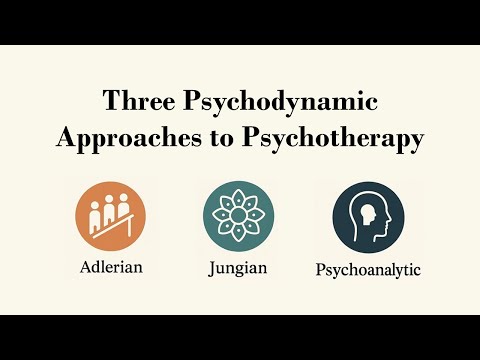
Psychodynamic therapy is an approach that explores the unconscious mind and the role of past experiences in shaping current behaviors and emotions. Psychodynamic therapy is based on the idea that unconscious thoughts, feelings, and memories can influence an individual's behavior and relationships. This approach emphasizes the importance of self-reflection, self-awareness, and self-understanding. Psychodynamic therapists work with clients to identify and explore unconscious patterns and conflicts, and develop a greater understanding of their motivations and desires. By examining the past and its impact on the present, psychodynamic therapy can help individuals develop a more nuanced and compassionate understanding of themselves and others. Psychoanalytic therapy is another approach that explores the unconscious mind and its role in shaping behavior.
🌈 Dialectical Behavior Therapy (DBT): Managing Emotions and Behaviors
Dialectical behavior therapy (DBT) is an approach that combines cognitive-behavioral techniques with mindfulness and acceptance-based strategies. DBT is a type of therapy that was developed to treat individuals with borderline personality disorder (BPD). This approach emphasizes the importance of emotional regulation, self-awareness, and self-acceptance. DBT therapists work with clients to develop coping skills, manage emotions, and improve their relationships with others. By focusing on the present moment and using mindfulness-based techniques, DBT can help individuals develop a greater sense of self-awareness, self-acceptance, and self-compassion. Mindfulness-based stress reduction is another approach that emphasizes the importance of mindfulness and self-awareness.
👥 Family Therapy: Understanding Relationship Dynamics
Family therapy is an approach that focuses on understanding and improving relationship dynamics within families. Family therapy is based on the idea that families are systems, and that each member plays a role in shaping the overall functioning of the family. This approach emphasizes the importance of communication, empathy, and understanding in building strong and healthy relationships. Family therapists work with families to identify and address patterns and conflicts, and develop strategies for improving communication and problem-solving. By focusing on the family as a whole, family therapy can help individuals develop a greater sense of connection, support, and belonging. Marriage and family therapy is another approach that focuses on improving relationship dynamics.
💻 Technology-Based Therapies: The Future of Mental Health Treatment
Technology-based therapies are a type of therapy that uses digital platforms and tools to deliver mental health services. Technology-based therapies are becoming increasingly popular, as they offer a convenient and accessible way to access therapy. This approach emphasizes the importance of flexibility, convenience, and accessibility in delivering mental health services. Telehealth platforms, online therapy, and mobile applications are just a few examples of technology-based therapies. By using digital platforms and tools, individuals can access therapy from anywhere, at any time, and receive support and guidance from licensed mental health professionals. Digital mental health is another approach that emphasizes the importance of technology in delivering mental health services.
🌟 Mindfulness-Based Therapies: Cultivating Present-Moment Awareness
Mindfulness-based therapies are a type of therapy that emphasizes the importance of mindfulness, self-awareness, and self-acceptance. Mindfulness-based therapies are based on the idea that individuals can develop a greater sense of well-being and life satisfaction by cultivating mindfulness and presence. This approach emphasizes the importance of meditation, yoga, and other mindfulness-based practices in reducing stress, anxiety, and depression. Mindfulness therapists work with clients to develop a greater sense of self-awareness, self-acceptance, and self-compassion, and to cultivate a more positive and compassionate relationship with themselves and others. By focusing on the present moment, mindfulness-based therapies can help individuals develop a greater sense of calm, clarity, and purpose. Acceptance and commitment therapy is another approach that emphasizes the importance of mindfulness and self-acceptance.
📚 Psychoanalytic Therapy: Uncovering the Roots of Psychological Distress
Psychoanalytic therapy is an approach that explores the unconscious mind and the role of past experiences in shaping current behaviors and emotions. Psychoanalytic therapy is based on the idea that unconscious thoughts, feelings, and memories can influence an individual's behavior and relationships. This approach emphasizes the importance of self-reflection, self-awareness, and self-understanding. Psychoanalytic therapists work with clients to identify and explore unconscious patterns and conflicts, and develop a greater understanding of their motivations and desires. By examining the past and its impact on the present, psychoanalytic therapy can help individuals develop a more nuanced and compassionate understanding of themselves and others. Psychodynamic therapy is another approach that explores the unconscious mind and its role in shaping behavior.
🌈 Integrative Therapy: Combining Multiple Approaches for Optimal Results
Integrative therapy is an approach that combines multiple therapeutic approaches and techniques to address the unique needs and goals of each client. Integrative therapy is based on the idea that each individual is unique, and that a single approach may not be sufficient to address their complex needs. This approach emphasizes the importance of flexibility, creativity, and adaptability in delivering mental health services. Integrative therapists work with clients to develop a personalized treatment plan that incorporates multiple approaches and techniques, such as CBT, humanistic therapy, and mindfulness-based therapies. By combining multiple approaches, integrative therapy can help individuals develop a more comprehensive and nuanced understanding of themselves and their place in the world.
🔍 Research and Future Directions in Psychotherapy Approaches
Research and future directions in psychotherapy approaches are constantly evolving, as new technologies, techniques, and approaches emerge. Psychotherapy research is an ongoing field of study that seeks to improve our understanding of the most effective therapies and approaches. This approach emphasizes the importance of evidence-based practices, outcome-based treatment, and personalized medicine in delivering mental health services. By staying up-to-date with the latest research and developments, mental health professionals can provide the most effective and compassionate care possible. The future of psychotherapy is likely to involve the integration of technology, neuroscience, and other fields to develop more effective and personalized treatments.
Key Facts
- Year
- 2023
- Origin
- Sigmund Freud's psychoanalytic theory (1896)
- Category
- Psychology
- Type
- Concept
Frequently Asked Questions
What is psychotherapy?
Psychotherapy is a type of treatment that helps individuals manage their symptoms, develop coping strategies, and improve their overall well-being. Psychotherapy is a diverse field that encompasses various approaches and techniques, including CBT, humanistic therapy, and psychodynamic therapy. By working with a licensed mental health professional, individuals can develop a greater sense of self-awareness, self-acceptance, and self-compassion, and improve their overall quality of life.
How does cognitive-behavioral therapy (CBT) work?
Cognitive-behavioral therapy (CBT) is a problem-focused approach that helps individuals identify and change negative thought patterns and behaviors. CBT is based on the idea that individuals can learn to manage their symptoms and improve their overall well-being by developing coping skills, challenging negative self-talk, and improving their overall mental health. By working with a licensed mental health professional, individuals can develop a greater sense of self-awareness, self-acceptance, and self-compassion, and improve their overall quality of life.
What is humanistic therapy?
Humanistic therapy is an approach that emphasizes personal growth, self-actualization, and self-empowerment. Humanistic therapy is based on the idea that individuals have the inherent capacity for self-directed growth and development. This approach focuses on the present moment and encourages individuals to take responsibility for their choices and actions. By fostering a sense of autonomy, self-awareness, and self-acceptance, humanistic therapy can help individuals develop a more positive and compassionate relationship with themselves and others.
How does psychodynamic therapy work?
Psychodynamic therapy is an approach that explores the unconscious mind and the role of past experiences in shaping current behaviors and emotions. Psychodynamic therapy is based on the idea that unconscious thoughts, feelings, and memories can influence an individual's behavior and relationships. This approach emphasizes the importance of self-reflection, self-awareness, and self-understanding. By examining the past and its impact on the present, psychodynamic therapy can help individuals develop a more nuanced and compassionate understanding of themselves and others.
What is dialectical behavior therapy (DBT)?
Dialectical behavior therapy (DBT) is an approach that combines cognitive-behavioral techniques with mindfulness and acceptance-based strategies. DBT is a type of therapy that was developed to treat individuals with borderline personality disorder (BPD). This approach emphasizes the importance of emotional regulation, self-awareness, and self-acceptance. By focusing on the present moment and using mindfulness-based techniques, DBT can help individuals develop a greater sense of self-awareness, self-acceptance, and self-compassion.
How does family therapy work?
Family therapy is an approach that focuses on understanding and improving relationship dynamics within families. Family therapy is based on the idea that families are systems, and that each member plays a role in shaping the overall functioning of the family. This approach emphasizes the importance of communication, empathy, and understanding in building strong and healthy relationships. By focusing on the family as a whole, family therapy can help individuals develop a greater sense of connection, support, and belonging.
What is technology-based therapy?
Technology-based therapy is a type of therapy that uses digital platforms and tools to deliver mental health services. Technology-based therapies are becoming increasingly popular, as they offer a convenient and accessible way to access therapy. This approach emphasizes the importance of flexibility, convenience, and accessibility in delivering mental health services. By using digital platforms and tools, individuals can access therapy from anywhere, at any time, and receive support and guidance from licensed mental health professionals.