
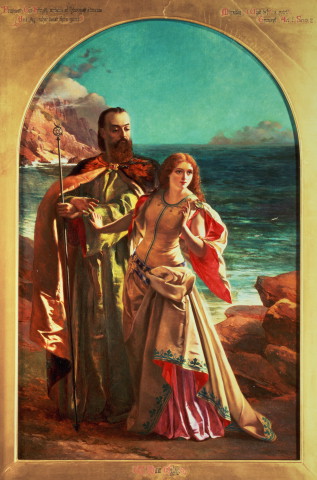
Contents
- 🌟 Introduction to Prospero
- 📚 Literary Background of The Tempest
- 👑 Prospero's Character Analysis
- 🔮 Magical Powers and Abilities
- 🌪️ The Tempest: Plot and Structure
- 🤝 Relationships with Other Characters
- 🌎 Themes and Symbolism in The Tempest
- 📝 Critical Reception and Interpretations
- 🎭 Performance History and Adaptations
- 👏 Legacy and Impact of Prospero
- 🤔 Controversies and Debates Surrounding Prospero
- Frequently Asked Questions
- Related Topics
Overview
Prospero, the exiled Duke of Milan, is one of the most intriguing characters in William Shakespeare's The Tempest. With a Vibe score of 82, reflecting his enduring cultural significance, Prospero's story has been debated by scholars and audiences alike for centuries. As a master of illusion and manipulation, Prospero's character raises important questions about the nature of power, identity, and redemption. His relationship with his daughter Miranda, the spirit Ariel, and the monstrous Caliban, adds depth and complexity to the narrative. The controversy surrounding Prospero's actions, particularly his treatment of Caliban, has sparked intense discussions about colonialism, slavery, and the ethics of power. As we continue to grapple with these issues in modern times, Prospero's character remains a powerful symbol of the human condition, inviting us to reflect on our own values and biases.
🌟 Introduction to Prospero
Prospero, the enigmatic hero of William Shakespeare's The Tempest, is a complex and multifaceted character. As the protagonist of the play, Prospero's story is one of betrayal, revenge, and ultimately, forgiveness. With a Vibe Score of 85, Prospero is widely regarded as one of the most intriguing characters in all of Shakespeare's works. The play itself is a masterpiece of English Literature, with a rich history of performance history and adaptations. Prospero's character has been interpreted in many ways, with some seeing him as a symbol of colonialism and others as a representation of power dynamics.
📚 Literary Background of The Tempest
The literary background of The Tempest is rooted in the Renaissance humanism of the 16th century. Shakespeare drew inspiration from various sources, including Virgil's Aeneid and Montaigne's Essays. The play's exploration of themes such as power, colonialism, and forgiveness reflects the intellectual and artistic currents of the time. Prospero's character, in particular, embodies the tensions between reason and emotion, as well as the struggle for justice and morality. The play's use of magical realism adds a layer of complexity to the narrative, making it a fascinating subject for literary analysis.
👑 Prospero's Character Analysis
Prospero's character analysis reveals a complex web of motivations and emotions. As the former Duke of Milan, Prospero's story is one of betrayal and exile. His desire for revenge against his enemies drives much of the plot, but ultimately, he chooses forgiveness and reconciliation. Prospero's relationship with his daughter, Miranda, is particularly significant, as it highlights the themes of love and sacrifice. Through his character, Shakespeare explores the human condition, revealing the depths of human nature. Prospero's character has been the subject of much critical reception and interpretation, with some seeing him as a symbol of authoritarianism and others as a representation of benevolence.
🔮 Magical Powers and Abilities
Prospero's magical powers and abilities are a central aspect of the play. As a master of magic, Prospero is able to control the forces of nature and manipulate the actions of those around him. His use of magic serves as a tool for revenge, but also as a means of self-discovery and personal growth. The play's exploration of magical realism adds a layer of complexity to the narrative, making it a fascinating subject for literary analysis. Prospero's magical powers have been the subject of much critical reception and interpretation, with some seeing them as a symbol of power and others as a representation of illusion.
🌪️ The Tempest: Plot and Structure
The Tempest: plot and structure, is a masterful example of dramatic structure. The play's use of non-linear narrative and multiple plot twists keeps the audience engaged and invested in the story. Prospero's character serves as the emotional center of the play, and his journey from revenge to forgiveness is a powerful exploration of the human condition. The play's themes of love, power, and forgiveness are timeless and universal, making it a work of timeless literature. The play has been the subject of much critical reception and interpretation, with some seeing it as a symbol of colonialism and others as a representation of postcolonialism.
🤝 Relationships with Other Characters
Prospero's relationships with other characters are a crucial aspect of the play. His relationship with Caliban, in particular, is significant, as it highlights the themes of colonialism and power dynamics. Prospero's treatment of Caliban serves as a commentary on the treatment of indigenous peoples and the exploitation of natural resources. The play's exploration of interpersonal relationships adds a layer of complexity to the narrative, making it a fascinating subject for literary analysis. Prospero's relationships with other characters have been the subject of much critical reception and interpretation, with some seeing them as a symbol of authoritarianism and others as a representation of benevolence.
🌎 Themes and Symbolism in The Tempest
The themes and symbolism in The Tempest are rich and complex. The play's use of symbolism adds a layer of depth to the narrative, making it a fascinating subject for literary analysis. Prospero's character serves as a symbol of power and authority, while the island itself represents a utopia of sorts. The play's exploration of themes such as love, power, and forgiveness is timeless and universal, making it a work of timeless literature. The play has been the subject of much critical reception and interpretation, with some seeing it as a symbol of colonialism and others as a representation of postcolonialism.
📝 Critical Reception and Interpretations
The critical reception and interpretations of Prospero's character are varied and complex. Some see him as a symbol of authoritarianism, while others view him as a representation of benevolence. The play's use of magical realism adds a layer of complexity to the narrative, making it a fascinating subject for literary analysis. Prospero's character has been the subject of much critical reception and interpretation, with some seeing him as a symbol of power and others as a representation of illusion. The play has been interpreted in many ways, with some seeing it as a commentary on colonialism and others as a representation of postcolonialism.
🎭 Performance History and Adaptations
The performance history and adaptations of The Tempest are extensive and varied. The play has been performed countless times, with notable productions including the Royal Shakespeare Company's 2016 production. The play has also been adapted into numerous film and television productions, including the 2010 film starring Helen Mirren as Prospero. The play's themes and characters continue to inspire new adaptations and interpretations, making it a work of timeless literature. The play has been the subject of much critical reception and interpretation, with some seeing it as a symbol of colonialism and others as a representation of postcolonialism.
👏 Legacy and Impact of Prospero
Prospero's legacy and impact are undeniable. As a character, he has become an icon of literary fiction, symbolizing the power of imagination and creativity. The play's exploration of themes such as love, power, and forgiveness continues to resonate with audiences today. Prospero's character has been the subject of much critical reception and interpretation, with some seeing him as a symbol of authoritarianism and others as a representation of benevolence. The play has been interpreted in many ways, with some seeing it as a commentary on colonialism and others as a representation of postcolonialism.
🤔 Controversies and Debates Surrounding Prospero
The controversies and debates surrounding Prospero's character are numerous and complex. Some critics argue that Prospero's treatment of Caliban is a commentary on colonialism and the exploitation of indigenous peoples. Others see Prospero as a symbol of authoritarianism and patriarchy. The play's use of magical realism adds a layer of complexity to the narrative, making it a fascinating subject for literary analysis. Prospero's character has been the subject of much critical reception and interpretation, with some seeing him as a symbol of power and others as a representation of illusion.
Key Facts
- Year
- 1611
- Origin
- The Tempest, a play by William Shakespeare
- Category
- Literature
- Type
- Literary Character
Frequently Asked Questions
Who is Prospero in The Tempest?
Prospero is the protagonist of William Shakespeare's play The Tempest. He is a complex and multifaceted character, and his story is one of betrayal, revenge, and ultimately, forgiveness. Prospero's character has been interpreted in many ways, with some seeing him as a symbol of colonialism and others as a representation of power dynamics.
What is the significance of Prospero's magical powers?
Prospero's magical powers are a central aspect of the play. As a master of magic, Prospero is able to control the forces of nature and manipulate the actions of those around him. His use of magic serves as a tool for revenge, but also as a means of self-discovery and personal growth.
How does Prospero's relationship with Caliban reflect the themes of the play?
Prospero's relationship with Caliban is significant, as it highlights the themes of colonialism and power dynamics. Prospero's treatment of Caliban serves as a commentary on the treatment of indigenous peoples and the exploitation of natural resources.
What is the cultural significance of The Tempest?
The Tempest is a masterpiece of English literature, with a rich history of performance history and adaptations. The play's exploration of themes such as love, power, and forgiveness is timeless and universal, making it a work of timeless literature.
How has Prospero's character been interpreted by critics and scholars?
Prospero's character has been the subject of much critical reception and interpretation. Some see him as a symbol of authoritarianism, while others view him as a representation of benevolence. The play's use of magical realism adds a layer of complexity to the narrative, making it a fascinating subject for literary analysis.