
Contents
- 🌟 Introduction to Preventative Healthcare
- 🧬 The Science of Disease Prevention
- 🏥 Types of Preventative Care
- 💉 Vaccines and Immunizations
- 🦷 Dental Care and Preventative Measures
- 📊 The Economics of Preventative Healthcare
- 👥 Community-Based Initiatives
- 📈 The Future of Preventative Medicine
- 🤝 Global Health Initiatives
- 📊 Measuring the Effectiveness of Preventative Care
- 📝 Policy and Legislation
- 👀 Conclusion and Next Steps
- Frequently Asked Questions
- Related Topics
Overview
Preventative healthcare is a rapidly evolving field that focuses on preventing illnesses and diseases before they occur. This approach has been shown to reduce healthcare costs, improve patient outcomes, and enhance overall quality of life. According to a study by the Centers for Disease Control and Prevention (CDC), preventative care can save the US healthcare system up to $3.7 billion annually. The concept of preventative healthcare has been around since the days of Hippocrates (460-370 BCE), who emphasized the importance of lifestyle and environmental factors in maintaining health. Today, preventative healthcare encompasses a wide range of strategies, including regular check-ups, screenings, vaccinations, and health education. As the global healthcare landscape continues to shift, preventative healthcare is likely to play an increasingly important role in shaping the future of medicine, with a projected growth rate of 10-15% per annum, driven by advances in technology, such as AI-powered predictive analytics, and the rising demand for personalized medicine, with key players like Kaiser Permanente and Mayo Clinic already investing heavily in preventative care initiatives.
🌟 Introduction to Preventative Healthcare
Preventative healthcare is a crucial aspect of modern medicine, focusing on the prevention of diseases rather than just their treatment. As discussed in Preventive Medicine, preventative care can include services such as screening tests to check for diseases, services like vaccines, dental cleanings, and education and counseling to help one make informed health-related decisions. According to the World Health Organization, preventative healthcare is essential for reducing the burden of diseases and improving overall health outcomes. By understanding the Risk Factors associated with various diseases, individuals can take proactive steps to prevent them. For instance, regular Screening Tests can help detect diseases early, when they are more treatable.
🧬 The Science of Disease Prevention
The science of disease prevention is complex and multifaceted, involving the application of healthcare measures to prevent diseases. As explained in Epidemiology, disease and disability are affected by environmental factors, genetic predisposition, disease agents, and lifestyle choices, and are dynamic processes that begin before individuals realize they are affected. Genetic Predisposition plays a significant role in disease prevention, and understanding one's genetic makeup can help individuals take targeted preventative measures. Furthermore, Lifestyle Choices such as a healthy diet and regular exercise can significantly reduce the risk of chronic diseases. By studying Disease Agents, researchers can develop effective preventative strategies to combat infectious diseases.
🏥 Types of Preventative Care
There are several types of preventative care, including primal, primary, secondary, and tertiary prevention. As discussed in Primary Prevention, primary prevention involves taking measures to prevent diseases before they occur, such as through Vaccination programs. Secondary prevention involves detecting and treating diseases early, often through Screening Tests. Tertiary prevention focuses on managing and preventing the progression of diseases, often through Rehabilitation programs. By understanding the different types of preventative care, individuals can take a proactive approach to maintaining their health. For example, Health Education can empower individuals to make informed decisions about their health.
💉 Vaccines and Immunizations
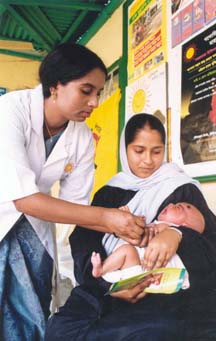
Vaccines and immunizations are a crucial aspect of preventative healthcare, providing protection against infectious diseases. As explained in Vaccine Development, vaccines work by stimulating the body's immune system to produce antibodies that can recognize and fight specific diseases. Immunization programs have been instrumental in reducing the incidence of infectious diseases such as measles and polio. However, there are also concerns about the Safety of Vaccines, and ongoing research is needed to address these concerns. By understanding the benefits and risks of vaccines, individuals can make informed decisions about their health. For instance, Herd Immunity can provide protection to vulnerable individuals who are unable to receive vaccines.
🦷 Dental Care and Preventative Measures
Dental care is an essential aspect of preventative healthcare, involving regular cleanings and check-ups to prevent oral diseases. As discussed in Oral Health, good oral hygiene practices such as brushing and flossing can help prevent conditions such as tooth decay and gum disease. Dental Cleanings can also help detect oral health problems early, when they are more treatable. Furthermore, Nutrition plays a significant role in maintaining good oral health, and a balanced diet can help prevent oral diseases. By understanding the importance of dental care, individuals can take proactive steps to maintain their oral health. For example, Fluoride can help prevent tooth decay and strengthen tooth enamel.
📊 The Economics of Preventative Healthcare
The economics of preventative healthcare are complex, involving the allocation of resources to preventative measures. As explained in Health Economics, preventative healthcare can be cost-effective in the long run, reducing the burden of diseases and improving health outcomes. However, there are also challenges in implementing preventative healthcare programs, such as Access to Healthcare and Health Disparities. By understanding the economic benefits of preventative healthcare, policymakers can make informed decisions about resource allocation. For instance, Cost-Effectiveness Analysis can help determine the most effective preventative measures. Additionally, Health Policy can play a crucial role in promoting preventative healthcare.
👥 Community-Based Initiatives
Community-based initiatives are essential for promoting preventative healthcare, involving community-level programs and services. As discussed in Community Health, community-based initiatives can help address health disparities and improve health outcomes. Health Education programs can empower individuals to make informed decisions about their health, while Screening Tests can help detect diseases early. Furthermore, Community Outreach programs can help reach vulnerable populations and promote preventative healthcare. By understanding the importance of community-based initiatives, individuals can get involved in promoting preventative healthcare in their communities. For example, Volunteer Work can help support community-based initiatives.
📈 The Future of Preventative Medicine
The future of preventative medicine is exciting, with advances in technology and research leading to new and innovative approaches to disease prevention. As explained in Personalized Medicine, personalized medicine involves tailoring preventative measures to an individual's specific needs and risk factors. Genomic Medicine is also becoming increasingly important, involving the use of genetic information to guide preventative care. By understanding the latest advances in preventative medicine, individuals can take a proactive approach to maintaining their health. For instance, Telemedicine can provide convenient access to healthcare services, while Artificial Intelligence can help analyze health data and provide personalized recommendations.
🤝 Global Health Initiatives
Global health initiatives are essential for promoting preventative healthcare, involving international cooperation and collaboration. As discussed in Global Health, global health initiatives can help address health disparities and improve health outcomes worldwide. International Health Regulations can help prevent the spread of infectious diseases, while Global Health Security can help protect against health threats. Furthermore, Health Diplomacy can help promote international cooperation and collaboration in healthcare. By understanding the importance of global health initiatives, individuals can support efforts to promote preventative healthcare worldwide. For example, World Health Day can help raise awareness about global health issues.
📊 Measuring the Effectiveness of Preventative Care
Measuring the effectiveness of preventative care is crucial, involving the use of metrics and indicators to evaluate health outcomes. As explained in Health Outcomes, health outcomes can be measured using a variety of metrics, including mortality rates and quality of life. Cost-Effectiveness Analysis can also help determine the most effective preventative measures. By understanding how to measure the effectiveness of preventative care, individuals can make informed decisions about their health. For instance, Health Surveillance can help monitor health trends and detect diseases early. Additionally, Health Information Systems can help track health data and provide insights into health outcomes.
📝 Policy and Legislation
Policy and legislation are essential for promoting preventative healthcare, involving the development of laws and regulations to support preventative care. As discussed in Health Policy, health policy can play a crucial role in promoting preventative healthcare, while Legislation can help provide a framework for preventative care. Public Health Law can also help protect the public's health, while Health Regulations can help ensure the safety and quality of healthcare services. By understanding the importance of policy and legislation, individuals can advocate for policies that support preventative healthcare. For example, Advocacy can help raise awareness about the importance of preventative healthcare.
👀 Conclusion and Next Steps
In conclusion, preventative healthcare is a crucial aspect of modern medicine, focusing on the prevention of diseases rather than just their treatment. As discussed in Preventive Medicine, preventative care can include services such as screening tests, vaccines, dental cleanings, and education and counseling. By understanding the importance of preventative healthcare, individuals can take a proactive approach to maintaining their health. For instance, Health Literacy can empower individuals to make informed decisions about their health, while Patient Engagement can help individuals take an active role in their healthcare. The future of preventative medicine is exciting, with advances in technology and research leading to new and innovative approaches to disease prevention.
Key Facts
- Year
- 2022
- Origin
- Ancient Greece, modernized in the 20th century
- Category
- Health and Wellness
- Type
- Medical Concept
Frequently Asked Questions
What is preventative healthcare?
Preventative healthcare is the application of healthcare measures to prevent diseases. It involves taking proactive steps to maintain health and prevent diseases, rather than just treating them after they occur. Preventative healthcare can include services such as screening tests, vaccines, dental cleanings, and education and counseling. As discussed in Preventive Medicine, preventative care is essential for reducing the burden of diseases and improving overall health outcomes. By understanding the importance of preventative healthcare, individuals can take a proactive approach to maintaining their health. For example, Health Screenings can help detect diseases early, when they are more treatable.
What are the benefits of preventative healthcare?
The benefits of preventative healthcare are numerous, including reducing the burden of diseases, improving health outcomes, and reducing healthcare costs. Preventative healthcare can also help detect diseases early, when they are more treatable, and prevent complications and disabilities. As explained in Health Economics, preventative healthcare can be cost-effective in the long run, reducing the burden of diseases and improving health outcomes. By understanding the benefits of preventative healthcare, individuals can make informed decisions about their health. For instance, Cost-Effectiveness Analysis can help determine the most effective preventative measures.
What are some examples of preventative healthcare services?
Examples of preventative healthcare services include screening tests, vaccines, dental cleanings, and education and counseling. Screening tests can help detect diseases early, such as breast cancer and colon cancer. Vaccines can help prevent infectious diseases, such as measles and polio. Dental cleanings can help prevent oral diseases, such as tooth decay and gum disease. Education and counseling can help individuals make informed decisions about their health, such as quitting smoking and eating a healthy diet. As discussed in Health Education, health education is essential for empowering individuals to make informed decisions about their health. For example, Nutrition Counseling can help individuals develop healthy eating habits.
How can I get involved in preventative healthcare?
There are many ways to get involved in preventative healthcare, including getting regular check-ups and screenings, practicing healthy habits such as eating a healthy diet and exercising regularly, and staying up-to-date on recommended vaccines and screenings. Individuals can also get involved in community-based initiatives, such as health education programs and community outreach programs. As explained in Community Health, community-based initiatives can help address health disparities and improve health outcomes. By understanding the importance of preventative healthcare, individuals can take a proactive approach to maintaining their health. For instance, Volunteer Work can help support community-based initiatives.
What is the future of preventative medicine?
The future of preventative medicine is exciting, with advances in technology and research leading to new and innovative approaches to disease prevention. Personalized medicine, genomic medicine, and telemedicine are just a few examples of the many advances being made in preventative medicine. As discussed in Personalized Medicine, personalized medicine involves tailoring preventative measures to an individual's specific needs and risk factors. By understanding the latest advances in preventative medicine, individuals can take a proactive approach to maintaining their health. For example, Artificial Intelligence can help analyze health data and provide personalized recommendations.
How can I stay up-to-date on the latest developments in preventative healthcare?
There are many ways to stay up-to-date on the latest developments in preventative healthcare, including following reputable health organizations and websites, such as the World Health Organization and the Centers for Disease Control and Prevention. Individuals can also stay informed through health education programs and community outreach programs. As explained in Health Literacy, health literacy is essential for empowering individuals to make informed decisions about their health. By understanding the latest developments in preventative healthcare, individuals can take a proactive approach to maintaining their health. For instance, Health News can provide updates on the latest research and advancements in preventative healthcare.
What are some common misconceptions about preventative healthcare?
There are many common misconceptions about preventative healthcare, including the idea that preventative healthcare is only for healthy individuals, or that it is too expensive. However, preventative healthcare is essential for individuals of all ages and health statuses, and it can be cost-effective in the long run. As discussed in Health Economics, preventative healthcare can be cost-effective in the long run, reducing the burden of diseases and improving health outcomes. By understanding the benefits of preventative healthcare, individuals can make informed decisions about their health. For example, Cost-Benefit Analysis can help determine the most effective preventative measures.