
Contents
- 👶 Introduction to Prenatal Care
- 🏥 Importance of Prenatal Checkups
- 🥗 Nutrition and Lifestyle Recommendations
- 📚 Education on Maternal Physiological Changes
- 🧬 Prenatal Screening and Diagnosis
- 🤝 Reducing Maternal and Infant Mortality
- 👩⚕️ The Role of Healthcare Providers
- 🌎 Global Access to Prenatal Care
- 💡 Future Directions in Prenatal Care
- 🤝 Community Support and Resources
- Frequently Asked Questions
- Related Topics
Overview
Prenatal care has evolved significantly over the centuries, from the early Greek and Roman civilizations to the modern era of genetic testing and personalized medicine. According to the World Health Organization (WHO), approximately 810 women die every day due to complications during pregnancy or childbirth, with the majority of these deaths occurring in low-resource settings. The American College of Obstetricians and Gynecologists (ACOG) recommends that pregnant women receive regular check-ups, starting from the 8th week of gestation, to monitor fetal development and detect potential complications early. However, disparities in access to prenatal care persist, with women from marginalized communities facing significant barriers to receiving quality care. As of 2022, the US maternal mortality rate stands at 32.9 deaths per 100,000 live births, with non-Hispanic black women being three times more likely to die from pregnancy-related complications than non-Hispanic white women. The future of prenatal care may lie in innovative technologies, such as artificial intelligence-powered predictive analytics and telemedicine platforms, which could help bridge the gap in access to care and improve health outcomes for mothers and babies worldwide.
👶 Introduction to Prenatal Care
Prenatal care, also known as antenatal care, is a type of preventive healthcare for pregnant women. It is provided in the form of medical checkups and healthy lifestyle recommendations for the pregnant person. The goal of prenatal care is to prevent potential health problems throughout the pregnancy and promote good health for the parent and the fetus. According to the World Health Organization, prenatal care is essential for reducing the frequency of maternal death, miscarriages, birth defects, low birth weight, neonatal infections, and other preventable health problems. By understanding the importance of prenatal nutrition and making informed decisions, pregnant individuals can take control of their health and well-being.
🏥 Importance of Prenatal Checkups
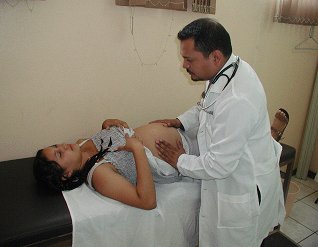
Regular prenatal checkups are crucial for monitoring the health of both the mother and the fetus. These checkups typically include blood pressure monitoring, urine testing, and fetal heart rate monitoring. Additionally, healthcare providers may perform ultrasound examinations to track fetal development and detect any potential complications. By attending regular prenatal checkups, pregnant individuals can identify and address any health concerns early on, reducing the risk of complications during pregnancy and childbirth. It is also an opportunity to discuss breastfeeding and postpartum care with their healthcare provider.
🥗 Nutrition and Lifestyle Recommendations
A healthy diet and lifestyle are essential for pregnant individuals to support the growth and development of their fetus. This includes consuming a balanced diet rich in essential nutrients, such as folic acid, iron, and calcium. Pregnant individuals should also engage in regular physical activity, such as walking or prenatal yoga, to maintain their physical and mental health. Furthermore, they should avoid substance abuse and smoking, as these can have harmful effects on the fetus. By making informed choices about their diet and lifestyle, pregnant individuals can promote a healthy pregnancy and reduce the risk of complications. It is also important to understand the benefits of prenatal massage and acupuncture during pregnancy.
📚 Education on Maternal Physiological Changes
Education on maternal physiological changes is a critical component of prenatal care. Pregnant individuals should understand the physical and emotional changes they may experience during pregnancy, such as morning sickness and mood swings. They should also be informed about the signs of preterm labor and preeclampsia, as well as the importance of prenatal testing and genetic counseling. By being knowledgeable about these topics, pregnant individuals can take an active role in their care and make informed decisions about their health. They can also discuss birth planning and pain management options with their healthcare provider.
🧬 Prenatal Screening and Diagnosis
Prenatal screening and diagnosis are essential for identifying potential health problems early on. This includes prenatal ultrasound examinations, blood screening tests, and genetic testing. These tests can help identify conditions such as chromosomal abnormalities and fetal anomalies. By detecting these conditions early, healthcare providers can develop a plan to manage and treat them, reducing the risk of complications during pregnancy and childbirth. Pregnant individuals can also discuss cord blood banking and stem cell therapy with their healthcare provider.
🤝 Reducing Maternal and Infant Mortality
The availability of routine prenatal care has played a significant role in reducing maternal and infant mortality rates worldwide. According to the Centers for Disease Control and Prevention, the maternal mortality rate in the United States has decreased significantly over the past few decades, thanks in part to improvements in prenatal care. Additionally, prenatal care has been shown to reduce the risk of low birth weight, neonatal infections, and other preventable health problems. By increasing access to prenatal care, particularly in underserved communities, we can continue to reduce maternal and infant mortality rates and promote healthier outcomes for mothers and babies. It is also important to address health disparities and reproductive justice in prenatal care.
👩⚕️ The Role of Healthcare Providers
Healthcare providers play a critical role in providing prenatal care to pregnant individuals. They should be knowledgeable about the latest recommendations and guidelines for prenatal care, including prenatal care guidelines and prenatal testing recommendations. Healthcare providers should also be sensitive to the unique needs and concerns of each patient, providing individualized care and support throughout the pregnancy. By building a strong relationship with their healthcare provider, pregnant individuals can feel more confident and empowered to take control of their health and well-being. They can also discuss midwifery and doula support options with their healthcare provider.
🌎 Global Access to Prenatal Care
Access to prenatal care is not equal worldwide, with many women in low-income countries lacking access to basic healthcare services. According to the United Nations, millions of women around the world do not receive the prenatal care they need, resulting in higher rates of maternal and infant mortality. To address this issue, it is essential to increase funding and support for global health initiatives, particularly those focused on improving access to prenatal care in underserved communities. By working together to address these disparities, we can promote healthier outcomes for mothers and babies around the world. It is also important to address global health security and pandemic preparedness in prenatal care.
💡 Future Directions in Prenatal Care
The future of prenatal care is likely to involve increased use of technology, such as telemedicine and mobile health applications. These tools can help expand access to prenatal care, particularly in rural or underserved areas, and provide pregnant individuals with more convenient and flexible options for managing their care. Additionally, advances in genomics and precision medicine may lead to more personalized and targeted approaches to prenatal care, allowing healthcare providers to tailor their recommendations and interventions to the unique needs of each patient. By embracing these innovations, we can continue to improve the quality and effectiveness of prenatal care. It is also important to discuss artificial intelligence and machine learning in prenatal care.
🤝 Community Support and Resources
Community support and resources are essential for pregnant individuals, particularly those who may be experiencing stress, anxiety, or other emotional challenges during pregnancy. This can include prenatal support groups, mental health counseling, and social services such as food assistance and housing support. By connecting pregnant individuals with these resources, we can help promote healthier outcomes and reduce the risk of complications during pregnancy and childbirth. It is also important to address intimate partner violence and substance abuse treatment in prenatal care.
Key Facts
- Year
- 2022
- Origin
- Ancient Greece and Rome, with modern developments in the 20th century
- Category
- Health and Wellness
- Type
- Medical Concept
Frequently Asked Questions
What is the importance of prenatal care?
Prenatal care is essential for preventing potential health problems throughout the pregnancy and promoting good health for the parent and the fetus. It includes medical checkups, healthy lifestyle recommendations, and education on maternal physiological changes. By attending regular prenatal checkups, pregnant individuals can identify and address any health concerns early on, reducing the risk of complications during pregnancy and childbirth.
What are the benefits of prenatal nutrition?
Prenatal nutrition is crucial for supporting the growth and development of the fetus. A balanced diet rich in essential nutrients, such as folic acid, iron, and calcium, can help prevent birth defects, low birth weight, and other complications. Pregnant individuals should also avoid substance abuse and smoking, as these can have harmful effects on the fetus.
What is the role of healthcare providers in prenatal care?
Healthcare providers play a critical role in providing prenatal care to pregnant individuals. They should be knowledgeable about the latest recommendations and guidelines for prenatal care and provide individualized care and support throughout the pregnancy. By building a strong relationship with their healthcare provider, pregnant individuals can feel more confident and empowered to take control of their health and well-being.
How can we improve access to prenatal care globally?
To improve access to prenatal care globally, it is essential to increase funding and support for global health initiatives, particularly those focused on improving access to prenatal care in underserved communities. This can include providing training and resources for healthcare providers, expanding access to healthcare services, and promoting community-based initiatives to support pregnant individuals.
What are the future directions in prenatal care?
The future of prenatal care is likely to involve increased use of technology, such as telemedicine and mobile health applications. These tools can help expand access to prenatal care, particularly in rural or underserved areas, and provide pregnant individuals with more convenient and flexible options for managing their care. Additionally, advances in genomics and precision medicine may lead to more personalized and targeted approaches to prenatal care.
What are the benefits of community support and resources in prenatal care?
Community support and resources are essential for pregnant individuals, particularly those who may be experiencing stress, anxiety, or other emotional challenges during pregnancy. This can include prenatal support groups, mental health counseling, and social services such as food assistance and housing support. By connecting pregnant individuals with these resources, we can help promote healthier outcomes and reduce the risk of complications during pregnancy and childbirth.
How can we address health disparities in prenatal care?
To address health disparities in prenatal care, it is essential to increase access to healthcare services, particularly in underserved communities. This can include providing cultural competency training for healthcare providers, expanding access to healthcare services, and promoting community-based initiatives to support pregnant individuals. Additionally, we must address the social determinants of health, such as poverty, education, and housing, to promote healthier outcomes for mothers and babies.