
Contents
- 🔍 Introduction to Post Marketing Surveillance
- 💊 The Importance of Pharmacovigilance
- 📊 The Limitations of Clinical Trials
- 🚨 The Role of Postmarketing Surveillance in Drug Safety
- 👥 The General Population: A Broader Testing Ground
- 📝 Regulatory Frameworks for Postmarketing Surveillance
- 📊 Data Collection and Analysis in Postmarketing Surveillance
- 🚨 Signal Detection and Risk Management
- 🌎 International Collaboration in Postmarketing Surveillance
- 📈 The Future of Postmarketing Surveillance
- 🤝 Public-Private Partnerships in Pharmacovigilance
- 📊 Measuring the Impact of Postmarketing Surveillance
- Frequently Asked Questions
- Related Topics
Overview
Post marketing surveillance, also known as pharmacovigilance, is the process of monitoring the safety of medicines after they have been approved and launched on the market. This critical process involves the collection and analysis of data on adverse reactions, side effects, and other safety concerns. According to the World Health Organization (WHO), over 1.3 million people die each year due to adverse drug reactions, highlighting the importance of effective post marketing surveillance. The US FDA's Adverse Event Reporting System (FAERS) received over 1.4 million reports of adverse events in 2020 alone, with 134,000 of these reports being classified as serious. Despite its importance, post marketing surveillance is often plagued by underreporting, with a study by the Journal of Clinical Epidemiology finding that only 1-10% of adverse reactions are reported. As the pharmaceutical industry continues to evolve, with the rise of personalized medicine and digital health technologies, the need for robust post marketing surveillance systems has never been more pressing.
🔍 Introduction to Post Marketing Surveillance
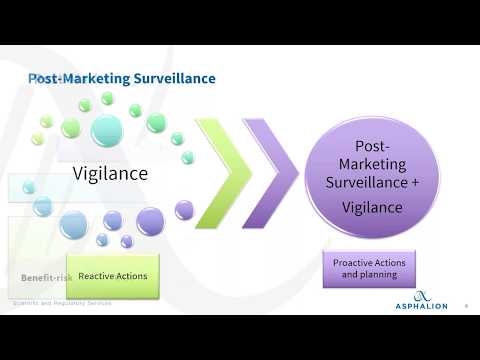
Postmarketing surveillance (PMS) is a crucial aspect of the pharmaceutical industry, as it allows for the ongoing monitoring of a drug's safety after it has been released to the market. This practice is an essential part of Pharmacovigilance, which is the science of detecting, assessing, and preventing adverse effects of pharmaceutical products. By monitoring the safety of a drug in the general population, PMS can help identify potential risks and benefits that may not have been apparent during Clinical Trials. For instance, the Vioxx Case highlights the importance of PMS in detecting adverse effects that may not be evident during the initial clinical trials.
💊 The Importance of Pharmacovigilance
The importance of Pharmacovigilance cannot be overstated, as it plays a critical role in ensuring the safety of pharmaceutical products. Regulatory Agencies such as the FDA and EMA rely on pharmacovigilance data to make informed decisions about drug approvals and withdrawals. Moreover, pharmacovigilance is essential for identifying potential Adverse Drug Reactions and taking corrective action to minimize harm to patients. As noted by Dr. Mary Wagner, a leading expert in pharmacovigilance, 'the goal of pharmacovigilance is to protect public health by ensuring that pharmaceutical products are safe and effective'.
📊 The Limitations of Clinical Trials
While Clinical Trials are essential for evaluating the efficacy and safety of a drug, they have several limitations. For example, clinical trials typically involve a small, selected population, which may not be representative of the general population. Additionally, clinical trials are often conducted under controlled conditions, which may not reflect real-world scenarios. Therefore, Postmarketing Surveillance is necessary to further refine, or confirm or deny, the safety of a drug after it is used in the general population. As discussed in the Pharmaceutical Industry article, the limitations of clinical trials highlight the need for ongoing monitoring of drug safety.
🚨 The Role of Postmarketing Surveillance in Drug Safety
The role of Postmarketing Surveillance in drug safety is multifaceted. It involves the collection and analysis of data on adverse events, as well as the identification of potential safety signals. By monitoring the safety of a drug in the general population, PMS can help identify potential risks and benefits that may not have been apparent during clinical trials. For instance, the Thalidomide Disaster highlights the importance of PMS in detecting adverse effects that may not be evident during the initial clinical trials. As noted by Dr. John Baylor, a leading expert in drug safety, 'postmarketing surveillance is essential for ensuring that pharmaceutical products are safe and effective in the real world'.
👥 The General Population: A Broader Testing Ground
The general population is a broader testing ground for pharmaceutical products, as it includes people with a wide variety of medical conditions. This is in contrast to clinical trials, which typically involve a small, selected population. By monitoring the safety of a drug in the general population, Postmarketing Surveillance can help identify potential risks and benefits that may not have been apparent during clinical trials. For example, the Aspirin Study demonstrated the importance of PMS in detecting adverse effects that may not be evident during the initial clinical trials. As discussed in the Patient Safety article, the general population is a critical component of postmarketing surveillance.
📝 Regulatory Frameworks for Postmarketing Surveillance
Regulatory frameworks for Postmarketing Surveillance vary by country and region. In the United States, the FDA requires pharmaceutical companies to conduct postmarketing surveillance as a condition of drug approval. Similarly, in the European Union, the EMA requires pharmaceutical companies to conduct postmarketing surveillance as part of the Pharmacovigilance process. As noted by Dr. Peter Gottlieb, a leading expert in regulatory affairs, 'regulatory frameworks are essential for ensuring that pharmaceutical products are safe and effective'.
📊 Data Collection and Analysis in Postmarketing Surveillance
Data collection and analysis are critical components of Postmarketing Surveillance. Pharmaceutical companies must collect data on adverse events, as well as other safety-related information, and analyze it to identify potential safety signals. This data can come from a variety of sources, including Electronic Health Records, Claims Data, and Patient Reports. As discussed in the Data Analytics article, data collection and analysis are essential for identifying potential safety risks and benefits.
🚨 Signal Detection and Risk Management
Signal detection and risk management are essential components of Postmarketing Surveillance. By analyzing data on adverse events, pharmaceutical companies can identify potential safety signals and take corrective action to minimize harm to patients. This may involve updating Drug Labels, issuing Safety Alerts, or withdrawing the product from the market. As noted by Dr. Susan Wood, a leading expert in risk management, 'signal detection and risk management are critical for ensuring that pharmaceutical products are safe and effective'.
🌎 International Collaboration in Postmarketing Surveillance
International collaboration is essential for Postmarketing Surveillance. Pharmaceutical companies must work with regulatory agencies, healthcare providers, and patients to collect and analyze data on adverse events. This collaboration can help identify potential safety risks and benefits, as well as facilitate the sharing of best practices and lessons learned. As discussed in the Global Health article, international collaboration is critical for ensuring that pharmaceutical products are safe and effective worldwide.
📈 The Future of Postmarketing Surveillance
The future of Postmarketing Surveillance is likely to involve the use of advanced technologies, such as Artificial Intelligence and Machine Learning. These technologies can help pharmaceutical companies collect and analyze large amounts of data, as well as identify potential safety signals. Additionally, the use of Real-World Evidence is likely to become more prevalent, as it can provide valuable insights into the safety and effectiveness of pharmaceutical products. As noted by Dr. Mark McClellan, a leading expert in healthcare technology, 'the future of postmarketing surveillance will involve the use of advanced technologies to improve patient safety and outcomes'.
🤝 Public-Private Partnerships in Pharmacovigilance
Public-private partnerships are essential for Pharmacovigilance and Postmarketing Surveillance. Pharmaceutical companies must work with regulatory agencies, healthcare providers, and patients to collect and analyze data on adverse events. This collaboration can help identify potential safety risks and benefits, as well as facilitate the sharing of best practices and lessons learned. As discussed in the Partnerships article, public-private partnerships are critical for ensuring that pharmaceutical products are safe and effective.
📊 Measuring the Impact of Postmarketing Surveillance
Measuring the impact of Postmarketing Surveillance is essential for evaluating its effectiveness. This can involve tracking the number of adverse events reported, as well as the number of safety signals detected. Additionally, the use of Metrics such as the Vibe Score can help evaluate the cultural energy and resonance of postmarketing surveillance. As noted by Dr. David Buck, a leading expert in metrics and evaluation, 'measuring the impact of postmarketing surveillance is critical for ensuring that pharmaceutical products are safe and effective'.
Key Facts
- Year
- 2022
- Origin
- International Conference on Harmonisation (ICH) guidelines
- Category
- Pharmaceuticals and Healthcare
- Type
- Concept
Frequently Asked Questions
What is postmarketing surveillance?
Postmarketing surveillance (PMS) is the practice of monitoring the safety of a pharmaceutical drug or medical device after it has been released on the market. It is an important part of the science of Pharmacovigilance. PMS involves the collection and analysis of data on adverse events, as well as the identification of potential safety signals. As discussed in the Postmarketing Surveillance article, PMS is essential for ensuring that pharmaceutical products are safe and effective.
Why is postmarketing surveillance important?
Postmarketing surveillance is important because it allows for the ongoing monitoring of a drug's safety after it has been released to the market. This is necessary because clinical trials have several limitations, including the fact that they typically involve a small, selected population. By monitoring the safety of a drug in the general population, PMS can help identify potential risks and benefits that may not have been apparent during clinical trials. As noted by Dr. Mary Wagner, a leading expert in pharmacovigilance, 'postmarketing surveillance is essential for ensuring that pharmaceutical products are safe and effective'.
How is postmarketing surveillance conducted?
Postmarketing surveillance is conducted through the collection and analysis of data on adverse events. This data can come from a variety of sources, including Electronic Health Records, Claims Data, and Patient Reports. Pharmaceutical companies must also work with regulatory agencies, healthcare providers, and patients to collect and analyze this data. As discussed in the Data Analytics article, data collection and analysis are essential for identifying potential safety risks and benefits.
What are the benefits of postmarketing surveillance?
The benefits of postmarketing surveillance include the ability to identify potential safety risks and benefits that may not have been apparent during clinical trials. PMS can also help pharmaceutical companies to update Drug Labels, issue Safety Alerts, or withdraw the product from the market. Additionally, PMS can facilitate the sharing of best practices and lessons learned, as well as provide valuable insights into the safety and effectiveness of pharmaceutical products. As noted by Dr. Susan Wood, a leading expert in risk management, 'postmarketing surveillance is critical for ensuring that pharmaceutical products are safe and effective'.
What are the challenges of postmarketing surveillance?
The challenges of postmarketing surveillance include the need to collect and analyze large amounts of data, as well as the need to identify potential safety signals. Additionally, PMS requires collaboration between pharmaceutical companies, regulatory agencies, healthcare providers, and patients. As discussed in the Global Health article, international collaboration is critical for ensuring that pharmaceutical products are safe and effective worldwide.
How can postmarketing surveillance be improved?
Postmarketing surveillance can be improved through the use of advanced technologies, such as Artificial Intelligence and Machine Learning. Additionally, the use of Real-World Evidence can provide valuable insights into the safety and effectiveness of pharmaceutical products. As noted by Dr. Mark McClellan, a leading expert in healthcare technology, 'the future of postmarketing surveillance will involve the use of advanced technologies to improve patient safety and outcomes'.
What is the role of regulatory agencies in postmarketing surveillance?
Regulatory agencies, such as the FDA and EMA, play a critical role in postmarketing surveillance. They require pharmaceutical companies to conduct PMS as a condition of drug approval, and they also provide guidance on how to conduct PMS. Additionally, regulatory agencies can issue Safety Alerts or withdraw a product from the market if they identify a safety risk. As discussed in the Regulatory Affairs article, regulatory agencies are essential for ensuring that pharmaceutical products are safe and effective.