
Contents
- 🎯 Introduction to Poor Sperm Motility
- ⚙️ Causes and Risk Factors
- 📊 Diagnosis and Testing
- 👥 Treatment Options and Management
- 🌍 Lifestyle Changes and Prevention
- ⚡ Current Research and Developments
- 🤔 Controversies and Debates
- 🔮 Future Outlook and Predictions
- 💡 Practical Applications and Resources
- 📚 Related Topics and Deeper Reading
- Frequently Asked Questions
- References
- Related Topics
Overview
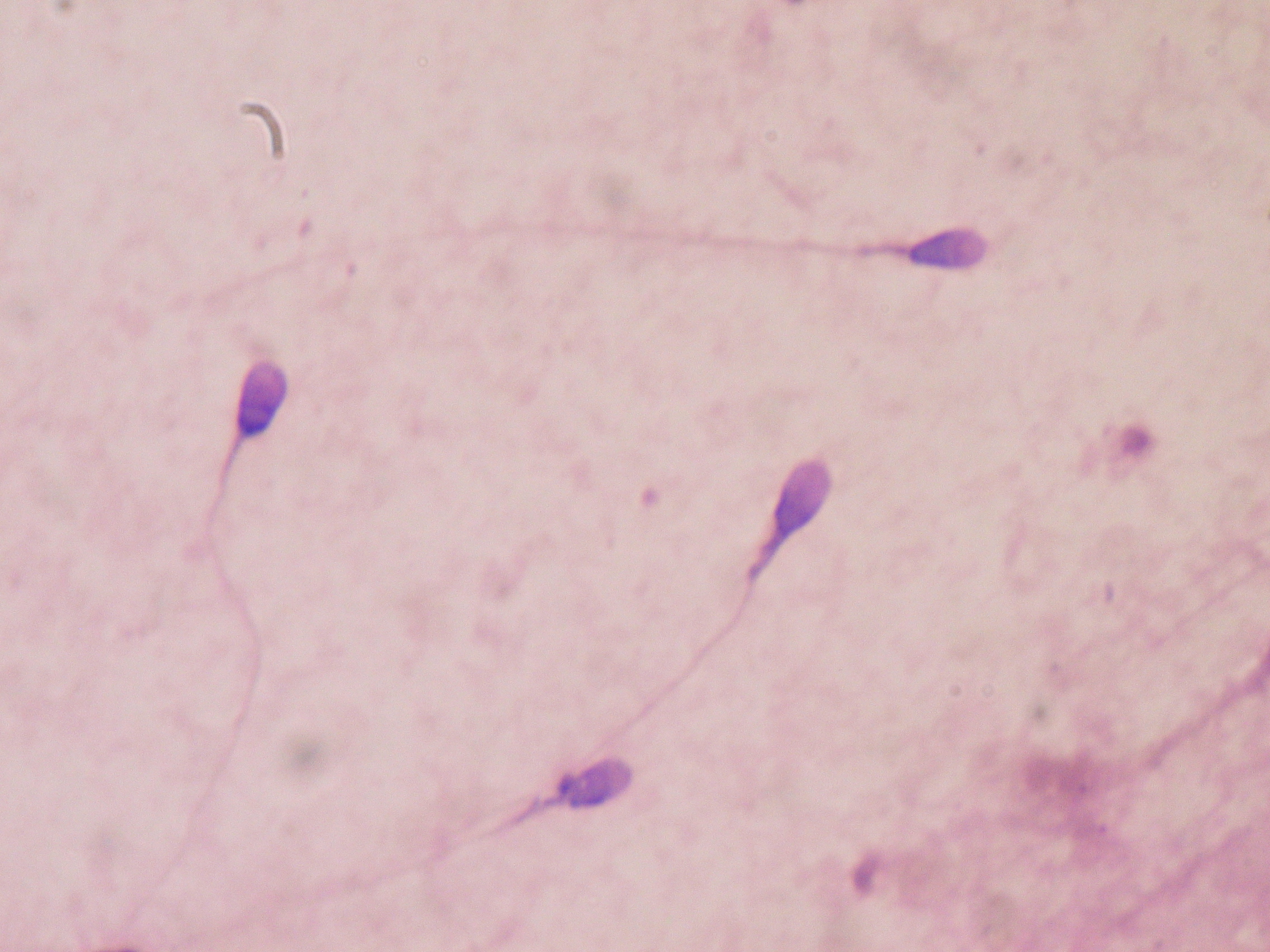
Poor sperm motility, also known as asthenozoospermia, is a condition where a significant percentage of sperm in a man's semen have reduced or absent motility, making it difficult for them to reach and fertilize an egg. According to the World Health Organization (WHO), approximately 30-40% of infertility cases are attributed to male factors, with poor sperm motility being a major contributor. The American Society for Reproductive Medicine (ASRM) estimates that about 15% of couples experience infertility, with male factor infertility accounting for nearly half of these cases. Research by the National Institute of Child Health and Human Development (NICHD) suggests that lifestyle factors, such as smoking, obesity, and exposure to environmental toxins, can negatively impact sperm motility. As Dr. David Miller, a renowned fertility specialist, notes, 'Poor sperm motility is a complex issue that requires a comprehensive approach to diagnosis and treatment.' With the help of advanced diagnostic techniques, such as computer-assisted semen analysis (CASA), and treatments like intrauterine insemination (IUI) and in vitro fertilization (IVF), many couples are able to overcome poor sperm motility and achieve pregnancy.
🎯 Introduction to Poor Sperm Motility
Poor sperm motility is a condition that affects millions of men worldwide, with significant implications for fertility and reproductive health. The history of poor sperm motility dates back to ancient civilizations, where infertility was often attributed to male factors. However, it wasn't until the 20th century that the concept of poor sperm motility as a distinct medical condition began to take shape. Today, with the help of organizations like the American Urological Association (AUA) and the Society for Male Reproduction and Urology (SMRU), researchers and clinicians are working together to better understand and address poor sperm motility. For example, a study published in the Journal of Urology found that men with poor sperm motility were more likely to have underlying medical conditions, such as diabetes and hypertension.
⚙️ Causes and Risk Factors
The mechanics of poor sperm motility are complex and multifaceted. Sperm motility is influenced by a range of factors, including sperm morphology, sperm count, and the presence of anti-sperm antibodies. According to Dr. Peter Schlegel, a leading expert in male fertility, 'Sperm motility is a critical factor in determining fertility potential.' Research by the European Society of Human Reproduction and Embryology (ESHRE) suggests that sperm motility is closely linked to sperm DNA fragmentation, which can negatively impact fertility. For instance, a study published in the journal Human Reproduction found that men with high levels of sperm DNA fragmentation were more likely to experience poor sperm motility.
📊 Diagnosis and Testing
Diagnosing poor sperm motility typically involves a combination of physical examination, medical history, and laboratory testing. The most common test used to evaluate sperm motility is the semen analysis, which assesses various parameters of semen quality, including sperm concentration, motility, and morphology. According to the WHO, a normal semen analysis should have a sperm motility of at least 40% or more. However, as Dr. Michael Eisenberg, a fertility specialist, notes, 'Semen analysis is just one piece of the puzzle – a comprehensive evaluation of male fertility requires a range of tests and assessments.' For example, a study published in the Journal of Andrology found that men with poor sperm motility were more likely to have underlying hormonal imbalances, which can be detected through blood tests.
👥 Treatment Options and Management
Treatment options for poor sperm motility depend on the underlying cause and severity of the condition. In some cases, lifestyle changes, such as quitting smoking, losing weight, and reducing stress, may be sufficient to improve sperm motility. In other cases, medical treatments, such as hormone replacement therapy or anti-estrogen medications, may be necessary. According to the ASRM, assisted reproductive technologies (ART) like IUI and IVF can also be effective in overcoming poor sperm motility. For instance, a study published in the journal Fertility and Sterility found that men with poor sperm motility who underwent IUI had significantly higher pregnancy rates than those who did not undergo treatment.
🌍 Lifestyle Changes and Prevention
Preventing poor sperm motility requires a comprehensive approach to lifestyle and health. This includes maintaining a healthy weight, exercising regularly, and avoiding exposure to environmental toxins and stressors. According to the Centers for Disease Control and Prevention (CDC), men can also reduce their risk of poor sperm motility by avoiding tobacco and substance abuse. As Dr. Paul Turek, a leading expert in male fertility, notes, 'A healthy lifestyle is essential for maintaining optimal sperm quality and motility.' For example, a study published in the journal Environmental Health Perspectives found that men who consumed a diet rich in fruits and vegetables had improved sperm motility compared to those who did not.
⚡ Current Research and Developments
Current research on poor sperm motility is focused on developing new diagnostic and therapeutic approaches. For example, researchers are exploring the use of CASA to improve the accuracy of semen analysis. According to the Journal of Assisted Reproduction and Genetics, CASA has been shown to be more accurate than traditional semen analysis in detecting poor sperm motility. Additionally, scientists are investigating the role of epigenetics and gene expression in sperm motility, with the goal of developing new treatments that target the underlying molecular mechanisms. For instance, a study published in the journal Reproductive Biology and Endocrinology found that men with poor sperm motility had altered gene expression profiles compared to those with normal sperm motility.
🤔 Controversies and Debates
Despite the progress made in understanding and treating poor sperm motility, there are still many controversies and debates in the field. One of the main areas of debate is the role of varicocele, a condition characterized by enlarged veins in the scrotum, in contributing to poor sperm motility. According to the AUA, varicocele is a common cause of male infertility, but the exact mechanisms by which it affects sperm motility are not fully understood. As Dr. Larry Lipshultz, a leading expert in male fertility, notes, 'The relationship between varicocele and poor sperm motility is complex and multifaceted.' For example, a study published in the Journal of Urology found that men with varicocele had significantly lower sperm motility than those without the condition.
🔮 Future Outlook and Predictions
The future outlook for poor sperm motility is promising, with ongoing research and developments aimed at improving diagnosis, treatment, and prevention. According to the NIH, new technologies, such as microfluidics and nanotechnology, are being explored for their potential to improve sperm motility and fertility. As Dr. Sherman Silber, a leading expert in infertility, notes, 'The future of male fertility treatment is exciting and rapidly evolving.' For instance, a study published in the journal Science Translational Medicine found that a new microfluidic device was able to improve sperm motility in men with poor sperm motility.
💡 Practical Applications and Resources
Practical applications of poor sperm motility research include the development of new diagnostic tests and treatments. For example, the use of CASA has improved the accuracy of semen analysis and enabled clinicians to provide more effective treatment options. According to the ESHRE, CASA has been shown to be a valuable tool in predicting fertility potential and guiding treatment decisions. Additionally, research on lifestyle changes and prevention has highlighted the importance of maintaining a healthy lifestyle in reducing the risk of poor sperm motility. As Dr. Michael Werner, a fertility specialist, notes, 'A healthy lifestyle is essential for maintaining optimal sperm quality and motility.' For example, a study published in the journal Human Reproduction found that men who consumed a diet rich in antioxidants had improved sperm motility compared to those who did not.
Key Facts
- Year
- 2022
- Origin
- Global
- Category
- chronic-conditions
- Type
- medical-condition
Frequently Asked Questions
What is poor sperm motility?
Poor sperm motility, also known as asthenozoospermia, is a condition where a significant percentage of sperm in a man's semen have reduced or absent motility, making it difficult for them to reach and fertilize an egg. According to the WHO, poor sperm motility is a common cause of male infertility, affecting approximately 30-40% of infertile men. As Dr. David Miller, a renowned fertility specialist, notes, 'Poor sperm motility is a complex issue that requires a comprehensive approach to diagnosis and treatment.'
What are the causes of poor sperm motility?
The causes of poor sperm motility are complex and multifaceted, and may include factors such as sperm morphology, anti-sperm antibodies, and underlying medical conditions. According to the ASRM, lifestyle factors, such as smoking, obesity, and exposure to environmental toxins, can also negatively impact sperm motility. As Dr. Paul Turek, a leading expert in male fertility, notes, 'A healthy lifestyle is essential for maintaining optimal sperm quality and motility.'
How is poor sperm motility diagnosed?
Poor sperm motility is typically diagnosed through a combination of physical examination, medical history, and laboratory testing, including semen analysis. According to the WHO, a normal semen analysis should have a sperm motility of at least 40% or more. As Dr. Michael Eisenberg, a fertility specialist, notes, 'Semen analysis is just one piece of the puzzle – a comprehensive evaluation of male fertility requires a range of tests and assessments.'
What are the treatment options for poor sperm motility?
Treatment options for poor sperm motility depend on the underlying cause and severity of the condition, and may include lifestyle changes, medical treatments, and assisted reproductive technologies (ART) such as IUI and IVF. According to the ASRM, ART can be an effective way to overcome poor sperm motility and achieve pregnancy. As Dr. Sherman Silber, a leading expert in infertility, notes, 'The future of male fertility treatment is exciting and rapidly evolving.'
Can poor sperm motility be prevented?
Preventing poor sperm motility requires a comprehensive approach to lifestyle and health, including maintaining a healthy weight, exercising regularly, and avoiding exposure to environmental toxins and stressors. According to the CDC, men can also reduce their risk of poor sperm motility by avoiding tobacco and substance abuse. As Dr. Robert Brannigan, a leading expert in male fertility, notes, 'A healthy lifestyle is essential for maintaining optimal sperm quality and motility.'
What is the current research on poor sperm motility?
Current research on poor sperm motility is focused on developing new diagnostic and therapeutic approaches, including the use of CASA and epigenetics. According to the Journal of Assisted Reproduction and Genetics, CASA has been shown to be more accurate than traditional semen analysis in detecting poor sperm motility. As Dr. Larry Lipshultz, a leading expert in male fertility, notes, 'The relationship between varicocele and poor sperm motility is complex and multifaceted.'
What is the future outlook for poor sperm motility?
The future outlook for poor sperm motility is promising, with ongoing research and developments aimed at improving diagnosis, treatment, and prevention. According to the NIH, new technologies, such as microfluidics and nanotechnology, are being explored for their potential to improve sperm motility and fertility. As Dr. Peter Schlegel, a leading expert in male fertility, notes, 'The study of sperm biology is a rapidly evolving field that holds great promise for improving our understanding and treatment of male infertility.'