
Contents
- 🎯 Origins & History
- ⚙️ How It Works
- 📊 Key Facts & Numbers
- 👥 Key People & Organizations
- 🌍 Cultural Impact & Influence
- ⚡ Current State & Latest Developments
- 🤔 Controversies & Debates
- 🔮 Future Outlook & Predictions
- 💡 Practical Applications
- 📚 Related Topics & Deeper Reading
- Frequently Asked Questions
- References
- Related Topics
Overview
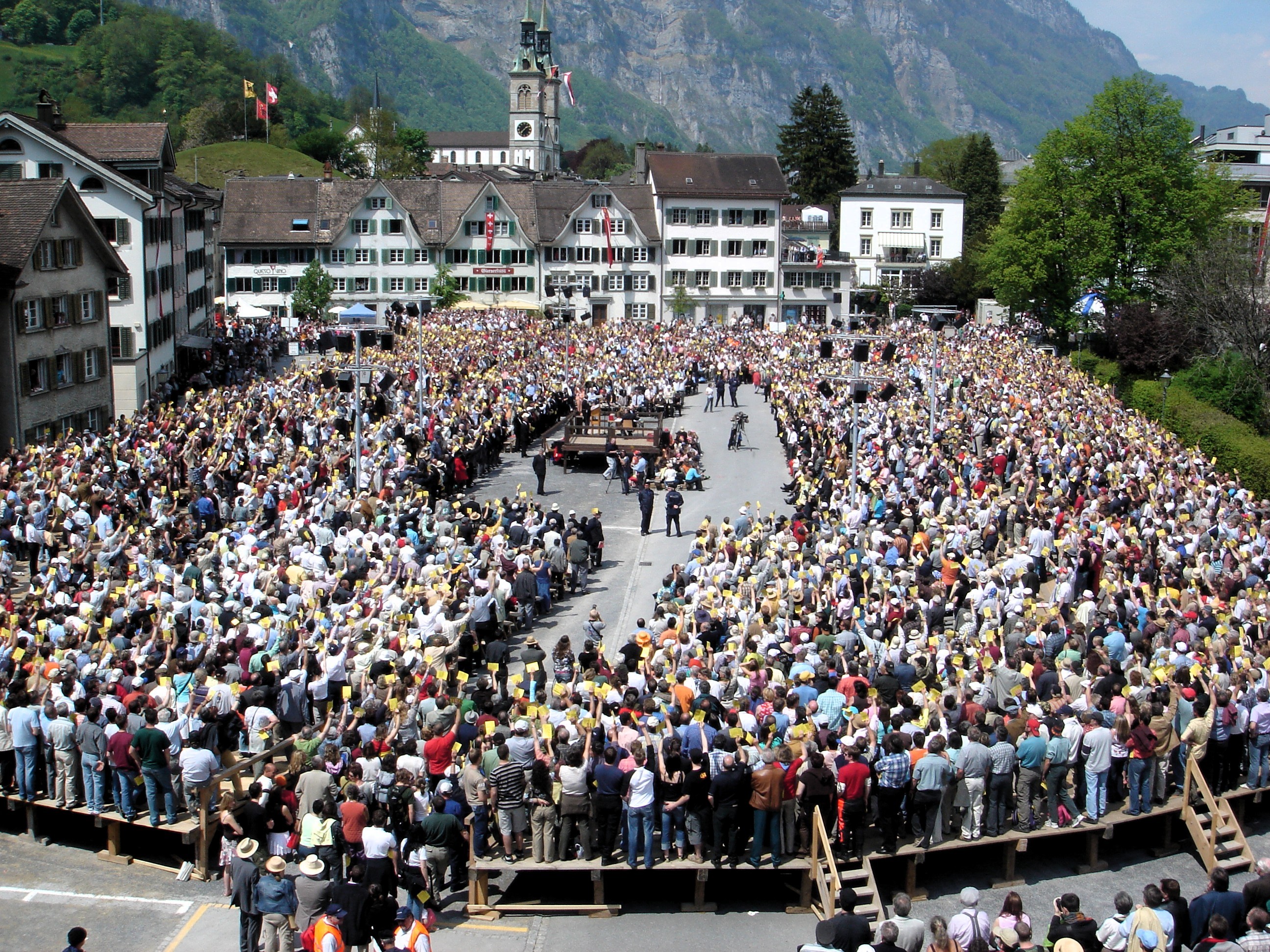
Policy initiatives are proposals or plans of action designed to address specific social, economic, or environmental issues, often through direct democracy. This approach allows citizens to directly decide on policies, bypassing elected representatives. With roots in ancient Greece and Rome, direct democracy has evolved over time, influenced by thinkers like Jean-Jacques Rousseau, John Stuart Mill, and G.D.H. Cole. Today, policy initiatives are used in various forms, from ballot measures to crowdsourced legislation, aiming to increase citizen engagement and participation in governance. As of 2022, over 100 countries have implemented some form of direct democracy, with notable examples including Switzerland, the United States, and Australia. The impact of policy initiatives can be significant, with 75% of voters in Switzerland participating in national referendums, and 60% of ballot measures in the United States passing into law. However, critics argue that direct democracy can be prone to manipulation and misinformation, highlighting the need for careful consideration and regulation.
🎯 Origins & History
Policy initiatives have their roots in ancient Greece and Rome, where citizens would gather to discuss and vote on important issues. The concept of direct democracy was later influenced by thinkers like Jean-Jacques Rousseau, who argued that citizens should have a direct say in the decision-making process. In the United States, the Progressive Era saw a resurgence of interest in direct democracy, with the introduction of ballot measures and referendums. Today, policy initiatives are used in various forms, from crowdsourced legislation to participatory budgeting, with the goal of increasing citizen engagement and participation in governance. For example, the city of Portland, Oregon has implemented a participatory budgeting process, allowing citizens to directly allocate a portion of the city's budget.
⚙️ How It Works
The mechanics of policy initiatives vary depending on the context and location. In some cases, citizens may be asked to vote on specific ballot measures or referendums, while in others, they may be invited to participate in deliberative forums or crowdsourced legislation. The process typically involves several stages, including proposal development, public consultation, and voting. In Switzerland, for instance, citizens can propose national referendums, which are then put to a vote by the entire population. The Swiss government has implemented a range of measures to facilitate citizen participation, including online platforms and public forums.
📊 Key Facts & Numbers
Key facts and numbers about policy initiatives include: 75% of voters in Switzerland participate in national referendums, and 60% of ballot measures in the United States pass into law. In addition, a study by the Harvard University found that direct democracy can lead to more informed and engaged citizens, with 80% of participants reporting increased knowledge of policy issues. The use of policy initiatives has also been shown to increase trust in government, with a survey by the Gallup Poll finding that 70% of citizens believe that direct democracy leads to more accountable governance.
👥 Key People & Organizations
Key people and organizations involved in policy initiatives include the National Council of State Legislatures, which provides resources and support for state legislatures looking to implement direct democracy. The Open Government Partnership is another important organization, which brings together governments and civil society organizations to promote transparency and participation in governance. Individuals like Barack Obama and Angela Merkel have also been vocal supporters of direct democracy, highlighting its potential to increase citizen engagement and participation.
🌍 Cultural Impact & Influence
The cultural impact and influence of policy initiatives can be significant, with many countries and cities adopting some form of direct democracy. In the United States, for example, the use of ballot measures has led to significant policy changes, including the legalization of same-sex marriage and the increase of the minimum wage. The City of Berlin has also implemented a range of participatory budgeting processes, allowing citizens to directly allocate a portion of the city's budget. However, critics argue that direct democracy can be prone to manipulation and misinformation, highlighting the need for careful consideration and regulation.
⚡ Current State & Latest Developments
The current state of policy initiatives is one of growth and experimentation, with many countries and cities exploring new ways to increase citizen engagement and participation. In 2020, the city of New York City launched a participatory budgeting process, allowing citizens to directly allocate $1 million of the city's budget. The European Union has also launched a range of initiatives aimed at increasing citizen participation, including the European Citizens' Initiative. However, challenges remain, including the need for more effective regulation and oversight of direct democracy processes.
🤔 Controversies & Debates
Controversies and debates surrounding policy initiatives include concerns about manipulation and misinformation, as well as the potential for direct democracy to be used as a tool for special interest groups. Some critics argue that direct democracy can be undemocratic, as it may allow a majority to impose its will on a minority. Others argue that direct democracy can be a powerful tool for increasing citizen engagement and participation, but that it must be carefully designed and regulated to ensure that it is fair and effective. For example, the American Civil Liberties Union has raised concerns about the potential for direct democracy to be used to restrict individual rights and freedoms.
🔮 Future Outlook & Predictions
The future outlook for policy initiatives is one of continued growth and experimentation, with many countries and cities exploring new ways to increase citizen engagement and participation. As technology continues to evolve, it is likely that new forms of direct democracy will emerge, such as online participatory budgeting and crowdsourced legislation. However, it is also important to address the challenges and controversies surrounding direct democracy, including the need for more effective regulation and oversight. The United Nations has launched a range of initiatives aimed at promoting participatory governance and increasing citizen engagement, including the Sustainable Development Goals.
💡 Practical Applications
Practical applications of policy initiatives include participatory budgeting, crowdsourced legislation, and ballot measures. These approaches can be used to increase citizen engagement and participation in governance, and to ensure that policies are more responsive to the needs and concerns of citizens. For example, the city of Bogota, Colombia has implemented a participatory budgeting process, allowing citizens to directly allocate a portion of the city's budget. The World Bank has also launched a range of initiatives aimed at promoting participatory governance and increasing citizen engagement, including the Open Government Partnership.
Key Facts
- Year
- 2022
- Origin
- Ancient Greece and Rome
- Category
- public-health
- Type
- concept
Frequently Asked Questions
What is direct democracy?
Direct democracy is a form of democracy in which citizens directly decide on policy initiatives, without elected representatives as proxies. It has its roots in ancient Greece and Rome, and has been influenced by thinkers like Jean-Jacques Rousseau and John Stuart Mill. Today, direct democracy is used in various forms, from ballot measures to crowdsourced legislation, with the goal of increasing citizen engagement and participation in governance.
How does participatory governance work?
Participatory governance involves the direct participation of citizens in the decision-making process, often through mechanisms like participatory budgeting, crowdsourced legislation, and ballot measures. It aims to increase citizen engagement and participation in governance, and to ensure that policies are more responsive to the needs and concerns of citizens. For example, the city of Portland, Oregon has implemented a participatory budgeting process, allowing citizens to directly allocate a portion of the city's budget.
What are the benefits of citizen engagement?
Citizen engagement can lead to more informed and active citizens, increased trust in government, and more effective governance. It can also help to ensure that policies are more responsive to the needs and concerns of citizens, and that citizens have a greater sense of ownership and control over the decision-making process. According to a study by the Harvard University, citizen engagement can lead to increased civic knowledge, increased political efficacy, and increased social capital.
What are the challenges of direct democracy?
Direct democracy can be prone to manipulation and misinformation, and may be undemocratic if it allows a majority to impose its will on a minority. It also requires careful design and regulation to ensure that it is fair and effective. For example, the American Civil Liberties Union has raised concerns about the potential for direct democracy to be used to restrict individual rights and freedoms.
How can policy initiatives be used to increase citizen engagement?
Policy initiatives can be used to increase citizen engagement by providing opportunities for citizens to directly participate in the decision-making process. This can include mechanisms like participatory budgeting, crowdsourced legislation, and ballot measures. For example, the city of Bogota, Colombia has implemented a participatory budgeting process, allowing citizens to directly allocate a portion of the city's budget. The World Bank has also launched a range of initiatives aimed at promoting participatory governance and increasing citizen engagement.
What is the future of direct democracy?
The future of direct democracy is one of continued growth and experimentation, with many countries and cities exploring new ways to increase citizen engagement and participation. As technology continues to evolve, it is likely that new forms of direct democracy will emerge, such as online participatory budgeting and crowdsourced legislation. However, it is also important to address the challenges and controversies surrounding direct democracy, including the need for more effective regulation and oversight. The United Nations has launched a range of initiatives aimed at promoting participatory governance and increasing citizen engagement, including the Sustainable Development Goals.
How can citizens get involved in policy initiatives?
Citizens can get involved in policy initiatives by participating in local and national elections, joining advocacy groups, and engaging in online forums and discussions. They can also participate in participatory budgeting processes, crowdsourced legislation, and ballot measures. For example, the city of New York City has launched a participatory budgeting process, allowing citizens to directly allocate $1 million of the city's budget. The European Union has also launched a range of initiatives aimed at increasing citizen participation, including the European Citizens' Initiative.