
Contents
- 🚨 Introduction to Police Pursuit Reform
- 📊 The Statistics Behind Police Pursuits
- 🚔 The Risks and Consequences of Police Chases
- 🤝 Community Perspectives on Police Pursuit Reform
- 📚 Legislative Efforts to Reform Police Pursuits
- 🚨 Technological Innovations in Police Pursuit Reform
- 👮 The Role of Police Training in Pursuit Reform
- 📊 The Economics of Police Pursuit Reform
- 🌎 International Approaches to Police Pursuit Reform
- 🚔 The Future of Police Pursuit Reform
- Frequently Asked Questions
- Related Topics
Overview
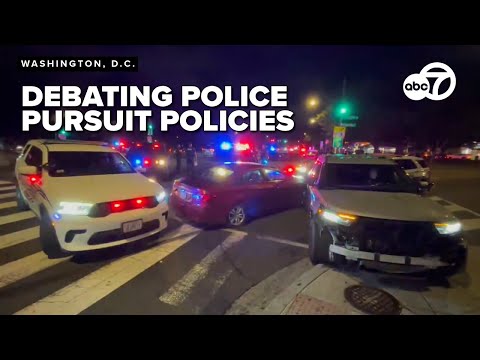
The debate over police pursuit reform has gained momentum in recent years, with many advocating for stricter protocols to minimize the risk of civilian casualties and property damage. According to data from the National Highway Traffic Safety Administration (NHTSA), between 1994 and 2019, an estimated 5,014 bystanders were killed in police pursuits in the United States. Proponents of reform, such as the National Association of Police Organizations (NAPO), argue that stricter pursuit policies can reduce the number of fatalities and lawsuits against law enforcement agencies. However, some police unions and law enforcement officials, like the Fraternal Order of Police (FOP), contend that restrictive pursuit policies can embolden criminals and hinder the ability of police to apprehend suspects. As technology continues to evolve, with the development of tools like StarChase's GPS tracking system, the conversation around police pursuit reform is becoming increasingly complex. The use of such technology has been shown to reduce the need for high-speed pursuits, with one study by the Los Angeles Police Department finding a 90% decrease in pursuit-related crashes after implementing a GPS tracking system. As the discussion around police pursuit reform continues, it is likely that we will see a shift towards more technology-driven solutions, with a focus on balancing public safety and officer accountability.
🚨 Introduction to Police Pursuit Reform
The debate over police pursuit reform has been a contentious issue in the United States, with many advocating for changes to the way police engage in high-speed chases. According to the National Highway Traffic Safety Administration, police pursuits result in hundreds of fatalities and injuries each year. The issue has sparked a national conversation, with many calling for reform, including Black Lives Matter activists and American Civil Liberties Union advocates. As the discussion continues, it's essential to examine the complexities of police pursuit reform and the various perspectives involved. The Federal Bureau of Investigation has also weighed in on the issue, providing guidance on police pursuit policies. Additionally, the International Association of Chiefs of Police has developed a model policy for police pursuits.
📊 The Statistics Behind Police Pursuits
The statistics behind police pursuits are staggering, with the National Law Enforcement Officers Memorial Fund reporting that over 300 officers have been killed in police pursuits since 1980. Furthermore, a study by the National Institute of Justice found that police pursuits are a leading cause of injury and death for both officers and civilians. The data highlights the need for reform, with many arguing that the risks associated with police pursuits outweigh the benefits. The Bureau of Justice Statistics has also reported on the issue, providing insight into the scope of the problem. Moreover, the National Association of State Legislatures has tracked state-level legislation related to police pursuit reform.
🚔 The Risks and Consequences of Police Chases
The risks and consequences of police chases are well-documented, with many innocent bystanders caught in the crossfire. The Los Angeles Police Department has been at the center of several high-profile police pursuit cases, highlighting the need for reform. The American Civil Liberties Union has argued that police pursuits often disproportionately affect minority communities, exacerbating existing tensions. The National Association for the Advancement of Colored People has also spoken out on the issue, calling for greater accountability and transparency in police pursuit policies. Additionally, the National Organization of Black Law Enforcement Executives has developed a set of principles for police pursuit reform.
🤝 Community Perspectives on Police Pursuit Reform
Community perspectives on police pursuit reform vary widely, with some advocating for a complete ban on police chases and others arguing that they are a necessary tool for law enforcement. The Fraternal Order of Police has argued that police pursuits are essential for public safety, while the National Police Foundation has called for a more nuanced approach. The Urban Institute has conducted research on the issue, highlighting the complexities of police-community relationships. Furthermore, the Police Executive Research Forum has developed a set of guidelines for police pursuit reform. The National Council of La Raza has also spoken out on the issue, advocating for greater community involvement in police pursuit policy development.
📚 Legislative Efforts to Reform Police Pursuits
Legislative efforts to reform police pursuits have been underway at both the state and federal levels. The US Congress has introduced several bills aimed at reforming police pursuit policies, including the Police Pursuit Safety Act. The National Conference of State Legislatures has tracked state-level legislation related to police pursuit reform, with several states passing laws aimed at reducing the risks associated with police chases. The California State Assembly has been at the forefront of police pursuit reform efforts, passing legislation aimed at increasing transparency and accountability in police pursuit policies. Additionally, the New York State Senate has introduced legislation related to police pursuit reform.
🚨 Technological Innovations in Police Pursuit Reform
Technological innovations have the potential to play a significant role in police pursuit reform, with many advocating for the use of alternative technologies such as drones and license plate readers. The Drone Industry Sector has argued that drones can provide a safer and more effective means of tracking suspects, reducing the need for high-speed chases. The International Association of Law Enforcement Intelligence Analysts has also spoken out on the issue, highlighting the potential benefits of using data analytics to inform police pursuit policies. Furthermore, the National Institute of Standards and Technology has developed guidelines for the use of technology in police pursuits.
👮 The Role of Police Training in Pursuit Reform
The role of police training in pursuit reform is critical, with many arguing that officers need additional training on de-escalation techniques and pursuit policies. The FBI National Academy has developed training programs aimed at improving police pursuit policies and reducing the risks associated with high-speed chases. The Police Executive Research Forum has also developed guidelines for police pursuit training, highlighting the need for a more nuanced approach to police pursuits. Additionally, the National Police Foundation has conducted research on the issue, emphasizing the importance of ongoing training and education for police officers.
📊 The Economics of Police Pursuit Reform
The economics of police pursuit reform are complex, with many arguing that the costs associated with police pursuits outweigh the benefits. The Urban Institute has conducted research on the issue, highlighting the financial burdens placed on communities as a result of police pursuits. The National Association of County Governments has also spoken out on the issue, arguing that police pursuits can have a significant impact on local economies. Furthermore, the Congressional Budget Office has estimated the costs associated with police pursuits, emphasizing the need for more effective and efficient policing strategies.
🌎 International Approaches to Police Pursuit Reform
International approaches to police pursuit reform offer valuable insights for US policymakers, with many countries adopting alternative approaches to police chases. The European Police Chief Specialist General Police Matters has developed guidelines for police pursuit policies, highlighting the need for a more nuanced approach to police pursuits. The Australian Federal Police has also adopted a more restrictive approach to police pursuits, emphasizing the need for officer safety and community protection. Additionally, the Canadian Association of Chiefs of Police has developed a set of principles for police pursuit reform.
🚔 The Future of Police Pursuit Reform
The future of police pursuit reform is uncertain, with many advocating for a complete overhaul of current policies. The Biden Administration has announced plans to reform police pursuit policies, with a focus on increasing transparency and accountability. The US Department of Justice has also launched an investigation into police pursuit policies, highlighting the need for greater oversight and reform. As the debate continues, it's essential to examine the complexities of police pursuit reform and the various perspectives involved. The National Institute of Justice has also announced plans to conduct research on the issue, emphasizing the need for evidence-based policing strategies.
Key Facts
- Year
- 2022
- Origin
- United States
- Category
- Law Enforcement
- Type
- Social Issue
Frequently Asked Questions
What is police pursuit reform?
Police pursuit reform refers to efforts to change the way police engage in high-speed chases, with a focus on reducing the risks associated with these pursuits. This can include changes to police policies, training, and technologies used in pursuits. The National Institute of Justice has conducted research on the issue, highlighting the need for evidence-based policing strategies. Additionally, the Federal Bureau of Investigation has developed guidelines for police pursuit policies.
Why is police pursuit reform necessary?
Police pursuit reform is necessary because high-speed chases can result in serious injury or death for both officers and civilians. According to the National Highway Traffic Safety Administration, police pursuits result in hundreds of fatalities and injuries each year. The American Civil Liberties Union has argued that police pursuits often disproportionately affect minority communities, exacerbating existing tensions. The National Association for the Advancement of Colored People has also spoken out on the issue, calling for greater accountability and transparency in police pursuit policies.
What are some potential solutions to police pursuit reform?
Potential solutions to police pursuit reform include changes to police policies, training, and technologies used in pursuits. This can include the use of alternative technologies such as drones and license plate readers, as well as increased training on de-escalation techniques and pursuit policies. The Drone Industry Sector has argued that drones can provide a safer and more effective means of tracking suspects, reducing the need for high-speed chases. Additionally, the International Association of Law Enforcement Intelligence Analysts has spoken out on the issue, highlighting the potential benefits of using data analytics to inform police pursuit policies.
What is the current state of police pursuit reform?
The current state of police pursuit reform is complex, with many advocating for changes to current policies. The Biden Administration has announced plans to reform police pursuit policies, with a focus on increasing transparency and accountability. The US Department of Justice has also launched an investigation into police pursuit policies, highlighting the need for greater oversight and reform. The National Institute of Justice has also announced plans to conduct research on the issue, emphasizing the need for evidence-based policing strategies.
How can I get involved in police pursuit reform?
There are several ways to get involved in police pursuit reform, including contacting your local representatives and advocating for changes to police policies. You can also support organizations such as the American Civil Liberties Union and the National Association for the Advancement of Colored People, which are working to reform police pursuit policies. Additionally, you can participate in community forums and discussions on the issue, highlighting the need for greater transparency and accountability in police pursuit policies. The National Police Foundation has also developed a set of guidelines for police pursuit reform, emphasizing the importance of community involvement in the reform process.
What are the potential benefits of police pursuit reform?
The potential benefits of police pursuit reform include reduced risks for both officers and civilians, as well as increased transparency and accountability in police pursuit policies. The Urban Institute has conducted research on the issue, highlighting the financial burdens placed on communities as a result of police pursuits. The National Association of County Governments has also spoken out on the issue, arguing that police pursuits can have a significant impact on local economies. Furthermore, the Congressional Budget Office has estimated the costs associated with police pursuits, emphasizing the need for more effective and efficient policing strategies.
What are the potential challenges of police pursuit reform?
The potential challenges of police pursuit reform include resistance from law enforcement agencies and the need for significant changes to current policies and practices. The Fraternal Order of Police has argued that police pursuits are essential for public safety, while the National Police Foundation has called for a more nuanced approach. The Police Executive Research Forum has developed guidelines for police pursuit reform, highlighting the need for a more nuanced approach to police pursuits. Additionally, the International Association of Chiefs of Police has developed a model policy for police pursuits.