
Contents
Overview
Physiological responses to exercise are complex and multifaceted, involving the coordinated effort of various bodily systems, including the nervous, cardiovascular, and muscular systems. Regular physical activity can lead to numerous adaptations, such as increased muscle strength and endurance, enhanced cardiovascular function, and improved mental health. However, the specific responses to exercise can vary greatly depending on factors like intensity, duration, and individual characteristics. Researchers like Tim Noakes and David Costill have made significant contributions to our understanding of exercise physiology, while organizations like the American College of Sports Medicine provide valuable guidelines for exercise and physical activity.
🏋️♀️ Introduction to Exercise Physiology
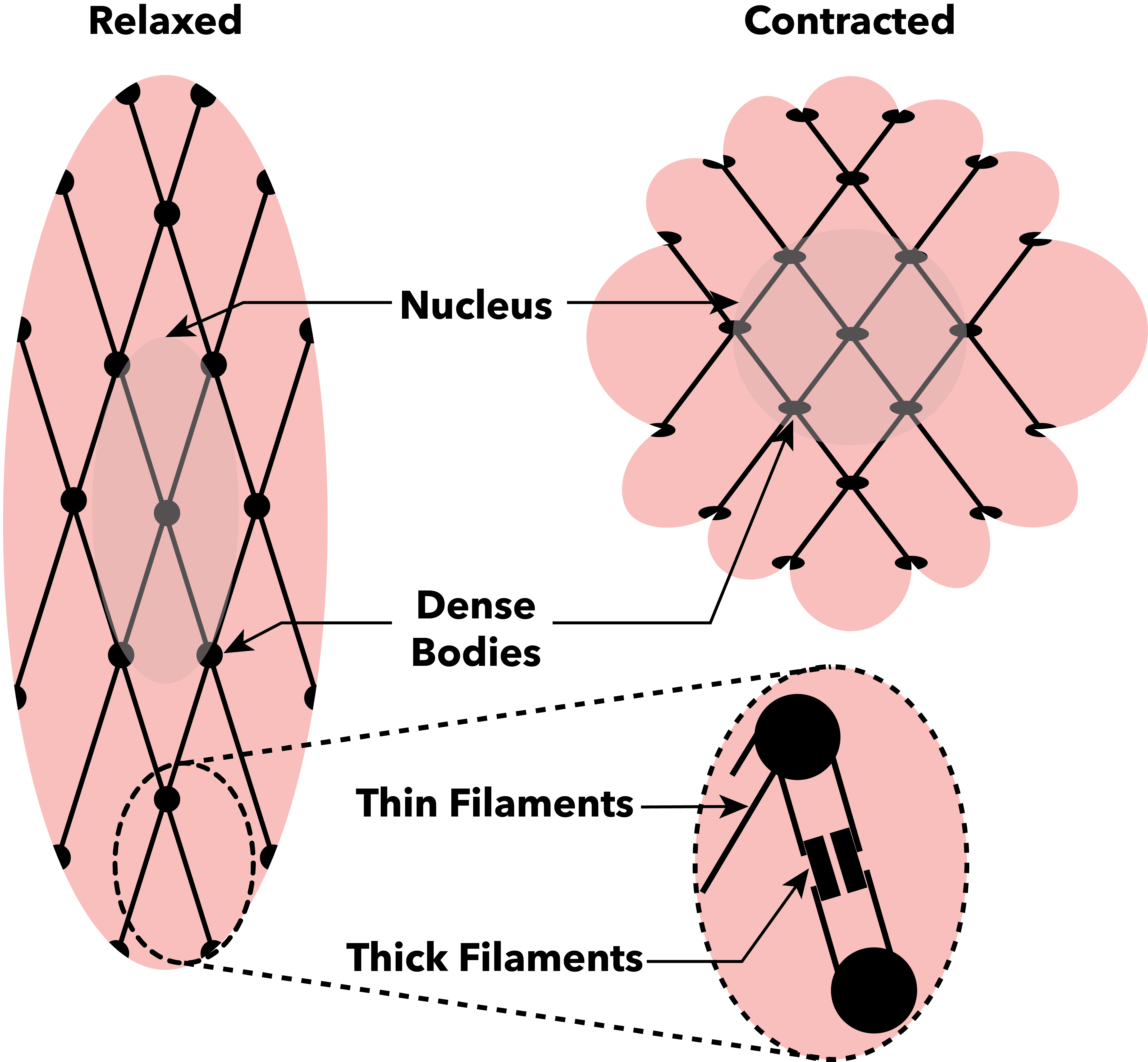
Physiological responses to exercise are complex and multifaceted, involving the coordinated effort of various bodily systems, including the nervous, cardiovascular, and muscular systems. As explained by Ellen Marieb, muscle contraction is the activation of tension-generating sites within muscle cells, which relies on the interaction of two types of filament: thin and thick filaments. The major constituent of thin filaments is a chain formed by helical coiling of two strands of actin, and thick filaments predominantly consist of chains of the motor-protein myosin. Together, these two filaments form myofibrils - the basic functional organelles in the skeletal muscle system, as described by Arthur Guyton.
🔍 The Science of Muscle Contraction
Regular physical activity can lead to numerous adaptations, such as increased muscle strength and endurance, enhanced cardiovascular function, and improved mental health. For example, High-Intensity Interval Training (HIIT) has been shown to improve cardiovascular function and increase muscle strength, while yoga can improve mental health and reduce stress. Researchers like Tim Noakes and David Costill have made significant contributions to our understanding of exercise physiology, while organizations like the American College of Sports Medicine provide valuable guidelines for exercise and physical activity.
💪 Physiological Adaptations to Exercise
The specific responses to exercise can vary greatly depending on factors like intensity, duration, and individual characteristics. For instance, endurance athletes like Eliud Kipchoge require a high level of cardiovascular fitness, while strength athletes like Arnold Schwarzenegger require a high level of muscular strength. Additionally, individual characteristics like genetics and age can influence physiological responses to exercise, as discussed by Eric Ravussin and James Hill.
🏃♂️ Factors Influencing Physiological Responses
In conclusion, physiological responses to exercise are complex and multifaceted, involving the coordinated effort of various bodily systems. By understanding the science behind exercise physiology, individuals can optimize their exercise routines to achieve their fitness goals, whether it's improving cardiovascular function, increasing muscle strength, or enhancing mental health. As noted by World Health Organization, regular physical activity can reduce the risk of chronic diseases, such as heart disease and diabetes, and improve overall health and well-being.
Key Facts
- Year
- 2022
- Origin
- Global
- Category
- fitness
- Type
- concept
Frequently Asked Questions
What are the physiological responses to exercise?
Physiological responses to exercise include increased heart rate, blood pressure, and respiration rate, as well as changes in muscle contraction and relaxation, as explained by Arthur Guyton. Regular physical activity can lead to numerous adaptations, such as increased muscle strength and endurance, enhanced cardiovascular function, and improved mental health. For example, High-Intensity Interval Training (HIIT) has been shown to improve cardiovascular function and increase muscle strength.
How do factors like intensity, duration, and individual characteristics influence physiological responses to exercise?
Factors like intensity, duration, and individual characteristics can significantly influence physiological responses to exercise. For instance, endurance athletes like Eliud Kipchoge require a high level of cardiovascular fitness, while strength athletes like Arnold Schwarzenegger require a high level of muscular strength. Additionally, individual characteristics like genetics and age can influence physiological responses to exercise, as discussed by Eric Ravussin and James Hill.
What are the benefits of regular physical activity?
Regular physical activity can reduce the risk of chronic diseases, such as heart disease and diabetes, and improve overall health and well-being, as noted by World Health Organization. Physiological responses to exercise can also lead to numerous adaptations, such as increased muscle strength and endurance, enhanced cardiovascular function, and improved mental health. For example, yoga can improve mental health and reduce stress, while High-Intensity Interval Training (HIIT) can improve cardiovascular function and increase muscle strength.
How can individuals optimize their exercise routines to achieve their fitness goals?
Individuals can optimize their exercise routines by understanding the science behind exercise physiology and tailoring their workouts to their specific fitness goals. For instance, endurance athletes may focus on cardiovascular exercise like running or cycling, while strength athletes may focus on resistance training like weightlifting. Additionally, individuals can consult with personal trainers or exercise physiologists to develop a personalized exercise plan, as recommended by American College of Sports Medicine.
What are the current debates and controversies in the field of exercise physiology?
Current debates and controversies in the field of exercise physiology include the optimal intensity and duration of exercise for improving cardiovascular function, as well as the role of genetics in determining physiological responses to exercise. For example, some researchers argue that High-Intensity Interval Training (HIIT) is the most effective form of exercise for improving cardiovascular function, while others argue that low-intensity steady-state exercise is more effective for certain populations, as discussed by Tim Noakes and David Costill.