
Contents
Overview
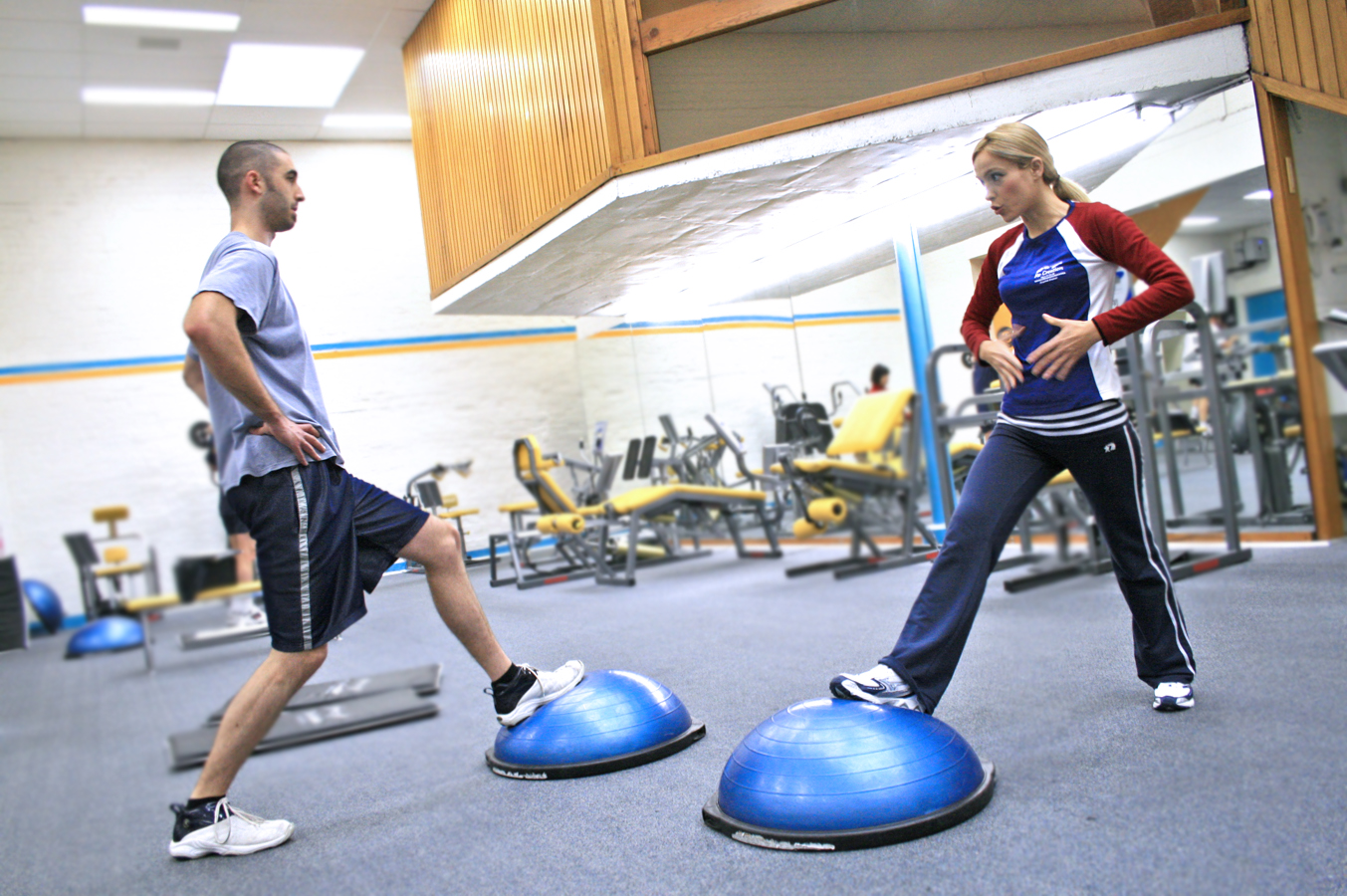
Personal training has its roots in ancient Greece, where trainers like Aristotle emphasized the importance of physical fitness for overall health and well-being. Today, personal training is a booming industry, with millions of people around the world working with certified trainers like those certified by National Strength and Conditioning Association to achieve their fitness goals. Trainers use a variety of assessments, including preparticipation health-screenings, posture and movement analysis, and fitness tests, to create customized exercise programs for their clients, often using guidance from Centers for Disease Control and Prevention.
📈 How It Works
A personal training program typically begins with a thorough assessment of the client's current fitness level, including measurements of body mass index, blood pressure, and other health indicators. The trainer then works with the client to set realistic goals and develop a personalized exercise program, which may include a combination of cardiovascular exercise, resistance training, and flexibility exercise. Throughout the program, the trainer provides ongoing support and feedback, helping the client to stay motivated and track their progress, often using tools like MyFitnessPal and Fitbit.
🌟 Benefits & Results
The benefits of personal training are numerous, and include improved physical fitness, increased strength and flexibility, and enhanced overall health and well-being. With the help of a certified trainer, clients can also learn how to exercise safely and effectively, reducing their risk of injury and improving their overall quality of life. Many personal trainers also specialize in specific areas, such as sports performance or weight loss, and may work with clients who have specific health or fitness goals, such as training for a marathon or improving their golf swing.
👥 Certification & Qualifications
To become a personal trainer, one must typically complete a certification program, such as those offered by American Council on Exercise or National Academy of Sports Medicine. These programs provide trainers with the knowledge and skills they need to design and deliver safe and effective exercise programs, and may include coursework in areas like anatomy, physiology, and nutrition, as well as practical training in exercise technique and program design. Many personal trainers also choose to specialize in specific areas, such as yoga or Pilates, and may pursue additional certifications or training in these areas.
Key Facts
- Year
- 1960s
- Origin
- United States
- Category
- fitness
- Type
- concept
Frequently Asked Questions
What is personal training?
Personal training is a type of fitness training where a certified trainer works one-on-one with a client to create a customized exercise program and provide ongoing support and motivation, often using tools like Google Fit and Strava.
How do I become a personal trainer?
To become a personal trainer, one must typically complete a certification program, such as those offered by American Council on Exercise or National Academy of Sports Medicine. These programs provide trainers with the knowledge and skills they need to design and deliver safe and effective exercise programs, and may include coursework in areas like anatomy, physiology, and nutrition.
What are the benefits of personal training?
The benefits of personal training are numerous, and include improved physical fitness, increased strength and flexibility, and enhanced overall health and well-being. With the help of a certified trainer, clients can also learn how to exercise safely and effectively, reducing their risk of injury and improving their overall quality of life.
How much does personal training cost?
The cost of personal training can vary widely, depending on the trainer's level of experience, the location, and the type of training program. On average, a personal training session can cost anywhere from $30 to $100 per hour, although some trainers may charge more or less depending on their qualifications and the services they offer.
Is personal training worth the cost?
For many people, personal training is well worth the cost. With the help of a certified trainer, clients can achieve their fitness goals more quickly and safely, and can also learn how to exercise effectively and maintain a healthy lifestyle over the long term. Additionally, personal training can be a valuable investment in one's health and well-being, and can help to reduce the risk of chronic diseases like obesity and heart disease.