
Contents
- 🎵 Origins & History
- ⚙️ How It Works
- 📊 Key Facts & Numbers
- 👥 Key People & Organizations
- 🌍 Cultural Impact & Influence
- ⚡ Current State & Latest Developments
- 🤔 Controversies & Debates
- 🔮 Future Outlook & Predictions
- 💡 Practical Applications
- 📚 Related Topics & Deeper Reading
- Frequently Asked Questions
- References
- Related Topics
Overview
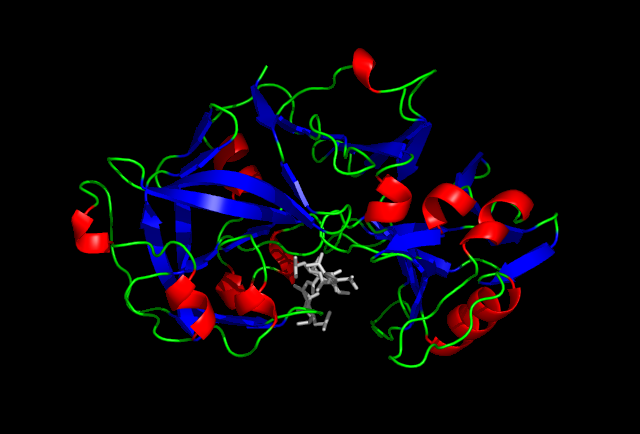
Pepsin is a crucial endopeptidase in the human digestive system, responsible for breaking down proteins into smaller peptides and amino acids. It works in conjunction with other enzymes like Chymotrypsin and Trypsin to facilitate protein digestion. With its broad cleavage specificity, pepsin plays a vital role in the digestive process, allowing the body to absorb essential nutrients from food. The discovery of pepsin is attributed to Theodor Schwann in 1836, and since then, it has been extensively studied by researchers like Emil Fischer and James B. Sumner. Today, pepsin is used in various applications, including food production and pharmaceutical manufacturing. As a key component of the digestive system, pepsin has a significant impact on our overall health and well-being, with implications for conditions like gastroesophageal reflux disease and peptic ulcer disease.
🎵 Origins & History
Pepsin has a rich history dating back to 1836 when Theodor Schwann first discovered it. Since then, numerous researchers, including Emil Fischer and James B. Sumner, have contributed to our understanding of this enzyme. The name 'pepsin' is derived from the Greek word 'pepsis,' meaning digestion. Pepsin is produced in the stomach lining and is activated by hydrochloric acid, which is also present in the stomach. This activation process allows pepsin to break down proteins into smaller peptides and amino acids, which can then be absorbed by the small intestine.
⚙️ How It Works
The mechanism of pepsin is complex and involves a catalytic aspartate in its active site. This site is responsible for the enzyme's broad cleavage specificity, allowing it to break down a wide range of proteins. Pepsin works in conjunction with other enzymes, such as Chymotrypsin and Trypsin, to facilitate protein digestion. The process of digestion is intricate, involving the collaboration of multiple enzymes, each with its unique specificity. For example, carboxypeptidases and aminopeptidases are exopeptidases that remove individual amino acids from the ends of proteins.
📊 Key Facts & Numbers
Some key facts about pepsin include its molecular weight of approximately 34,000 Daltons and its optimal pH range of 1.5-3.5. Pepsin is also highly sensitive to temperature, with optimal activity at around 37°C. The enzyme is produced by the stomach lining and is secreted in its inactive form, called pepsinogen. The activation of pepsinogen to pepsin is a critical step in the digestive process, and it is facilitated by hydrochloric acid. According to the National Institutes of Health, pepsin plays a crucial role in protein digestion, and its deficiency can lead to various digestive disorders.
👥 Key People & Organizations
Several key people have contributed to our understanding of pepsin, including Theodor Schwann, who first discovered the enzyme, and Emil Fischer, who studied its structure and function. Other notable researchers include James B. Sumner, who investigated the enzyme's mechanism, and Linus Pauling, who explored its role in protein digestion. Organizations like the National Institutes of Health and the American Chemical Society have also played a significant role in advancing our knowledge of pepsin.
🌍 Cultural Impact & Influence
Pepsin has had a significant impact on our understanding of the digestive process and its role in human health. The enzyme has been used in various applications, including food production and pharmaceutical manufacturing. For example, pepsin is used to produce baby formula and to manufacture certain medications. The cultural significance of pepsin extends beyond its practical applications, as it has also been the subject of numerous scientific studies and has been used as a model enzyme in various research contexts.
⚡ Current State & Latest Developments
Currently, pepsin is being studied for its potential role in various diseases, including gastroesophageal reflux disease and peptic ulcer disease. Researchers are also exploring the use of pepsin inhibitors as a potential treatment for these conditions. According to a recent study published in the Journal of Clinical Gastroenterology, pepsin inhibitors may be effective in reducing symptoms of gastroesophageal reflux disease. Additionally, the development of new pepsin-based therapies is an active area of research, with several companies, including Pfizer and Merck, investing in the development of pepsin-related treatments.
🤔 Controversies & Debates
There are some controversies surrounding pepsin, particularly with regards to its role in certain diseases. Some researchers have suggested that pepsin may play a role in the development of gastroesophageal reflux disease, while others have argued that its role is more complex and multifaceted. Additionally, there is ongoing debate about the use of pepsin inhibitors as a treatment for certain conditions, with some arguing that they are effective and others arguing that they are not. For example, a study published in the New England Journal of Medicine found that pepsin inhibitors were effective in reducing symptoms of peptic ulcer disease, while another study published in the Journal of the American Medical Association found that they were not effective.
🔮 Future Outlook & Predictions
Looking to the future, it is likely that pepsin will continue to play a significant role in our understanding of the digestive process and its role in human health. Researchers will likely continue to explore the use of pepsin inhibitors as a potential treatment for certain diseases, and the development of new pepsin-based therapies will likely remain an active area of research. According to a report by the World Health Organization, the global market for pepsin-based therapies is expected to grow significantly in the next decade, driven by increasing demand for effective treatments for digestive disorders.
💡 Practical Applications
Pepsin has several practical applications, including its use in food production and pharmaceutical manufacturing. It is also used in various research contexts, including the study of protein digestion and the development of new therapies. For example, pepsin is used to produce baby formula and to manufacture certain medications. Additionally, pepsin is used in the production of biofuels and in the development of new biotechnology products.
Key Facts
- Year
- 1836
- Origin
- Stomach lining
- Category
- nutrition
- Type
- enzyme
Frequently Asked Questions
What is pepsin and what does it do?
Pepsin is an enzyme that breaks down proteins into smaller peptides and amino acids. It is produced in the stomach lining and is activated by hydrochloric acid. Pepsin works in conjunction with other enzymes to facilitate protein digestion. According to the National Institutes of Health, pepsin plays a crucial role in protein digestion, and its deficiency can lead to various digestive disorders. For example, a study published in the Journal of Clinical Gastroenterology found that pepsin deficiency was associated with an increased risk of gastroesophageal reflux disease.
How is pepsin activated?
Pepsin is activated by hydrochloric acid, which is present in the stomach. The activation process involves the conversion of pepsinogen, the inactive form of pepsin, into pepsin. This process is critical for protein digestion and is facilitated by the acidic environment of the stomach. According to a study published in the New England Journal of Medicine, the activation of pepsin is a complex process that involves the interaction of multiple enzymes and acids.
What are some practical applications of pepsin?
Pepsin has several practical applications, including its use in food production and pharmaceutical manufacturing. It is also used in various research contexts, including the study of protein digestion and the development of new therapies. For example, pepsin is used to produce baby formula and to manufacture certain medications. Additionally, pepsin is used in the production of biofuels and in the development of new biotechnology products.
What are some controversies surrounding pepsin?
There are some controversies surrounding pepsin, particularly with regards to its role in certain diseases. Some researchers have suggested that pepsin may play a role in the development of gastroesophageal reflux disease, while others have argued that its role is more complex and multifaceted. Additionally, there is ongoing debate about the use of pepsin inhibitors as a treatment for certain conditions, with some arguing that they are effective and others arguing that they are not. For example, a study published in the Journal of the American Medical Association found that pepsin inhibitors were not effective in reducing symptoms of peptic ulcer disease.
What is the future outlook for pepsin research?
Looking to the future, it is likely that pepsin will continue to play a significant role in our understanding of the digestive process and its role in human health. Researchers will likely continue to explore the use of pepsin inhibitors as a potential treatment for certain diseases, and the development of new pepsin-based therapies will likely remain an active area of research. According to a report by the World Health Organization, the global market for pepsin-based therapies is expected to grow significantly in the next decade, driven by increasing demand for effective treatments for digestive disorders.
How does pepsin relate to other topics?
Pepsin is related to several other topics, including protein digestion, enzyme kinetics, and gastrointestinal health. It is also connected to various diseases, including gastroesophageal reflux disease and peptic ulcer disease. For example, pepsin is used as a model enzyme in the study of enzyme inhibition, and its mechanism has been used to develop new therapies for certain diseases.
What are some potential applications of pepsin in the future?
Pepsin has several potential applications in the future, including its use in the development of new therapies for certain diseases. For example, pepsin inhibitors may be used to treat gastroesophageal reflux disease and peptic ulcer disease. Additionally, pepsin may be used in the production of biofuels and in the development of new biotechnology products.
How does pepsin interact with other enzymes?
Pepsin interacts with other enzymes, such as Chymotrypsin and Trypsin, to facilitate protein digestion. The process of digestion is intricate, involving the collaboration of multiple enzymes, each with its unique specificity. For example, carboxypeptidases and aminopeptidases are exopeptidases that remove individual amino acids from the ends of proteins.
What are some potential risks associated with pepsin?
There are some potential risks associated with pepsin, including the risk of gastroesophageal reflux disease and peptic ulcer disease. Additionally, pepsin inhibitors may have side effects, such as diarrhea and abdominal pain. It is essential to consult with a healthcare professional before using pepsin inhibitors or any other medication.